Most books give you either a timeless investing framework or an AI pitch—this one gives you both: the actual history of how professionals read market cycles and the exact prompts to run that analysis yourself. In The AI Edge for Modern Investors, financial strategist...
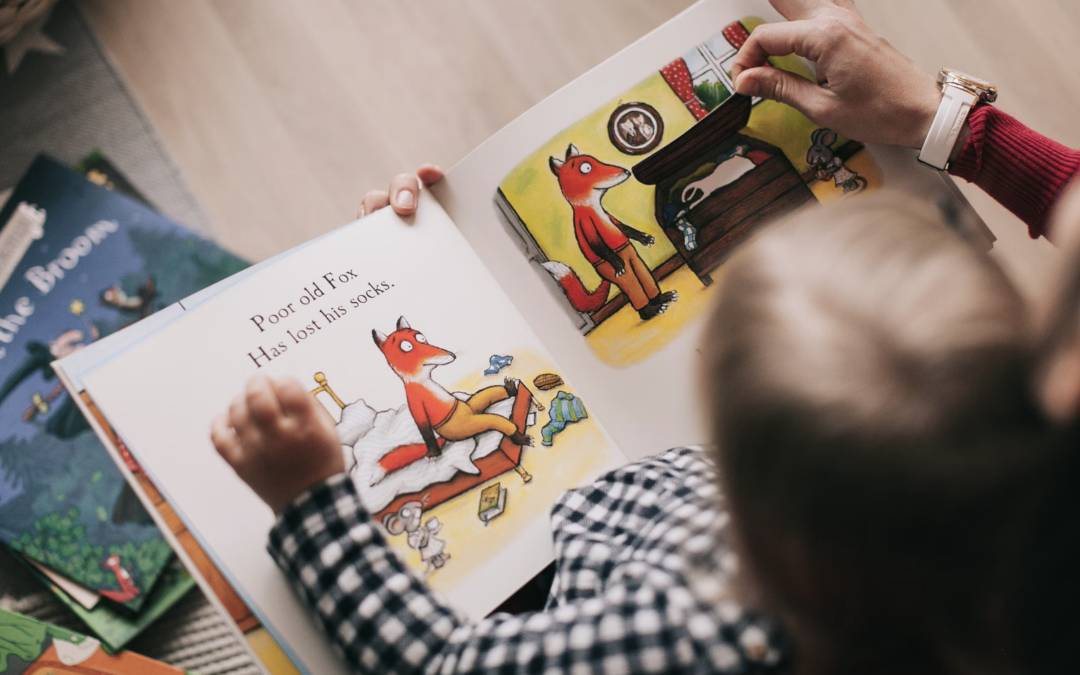
TL;DR: How many words in a children’s book depends on one thing: the age of the reader. Board books run up to 100 words, picture books 400–800, early readers 1,000–2,500, chapter books 5,000–15,000, and middle grade 20,000–55,000. Land outside your...
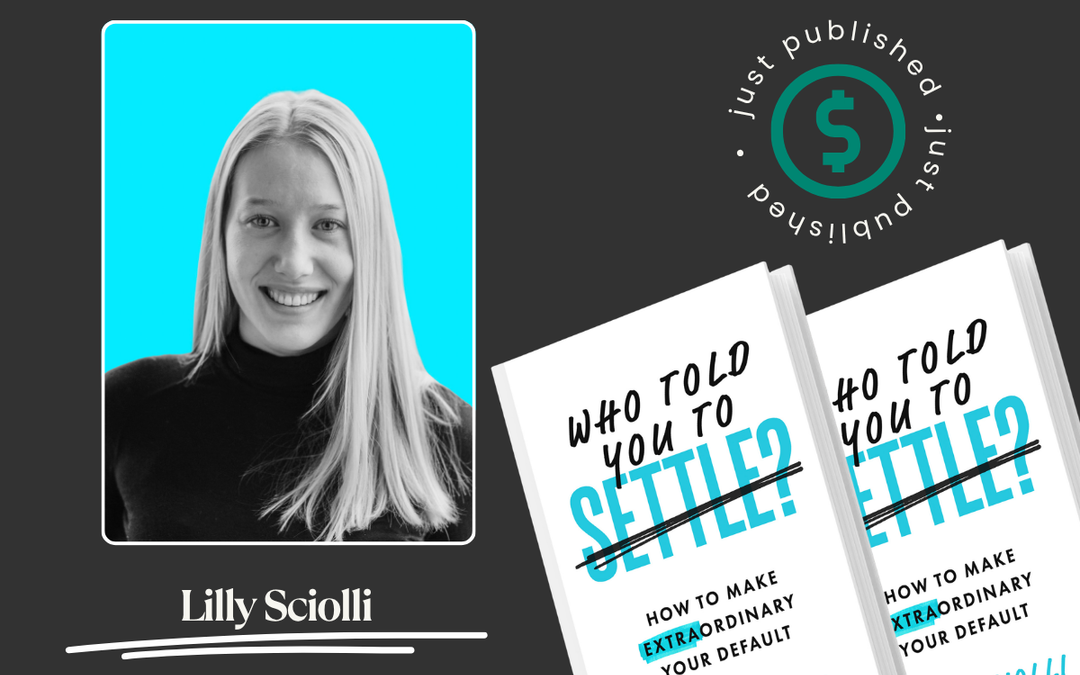
You’re not average. So why does your life keep looking like it? Lilly Sciolli is an author, entrepreneur, and creator with a background in business and computer science. She wrote her first book at eleven and has since built digital products, grown the...
TL;DR A flashback is a scene that interrupts the present timeline to show something that already happened. The best ones are short, triggered by something concrete, and change how the reader reads the present. Below are 31 flashback examples from novels, films, TV,...
TL;DR To write a soliloquy, put one character alone, give them a decision they can’t make, and let them think out loud until they land somewhere new. Most soliloquies run 20–40 lines (roughly 150–300 words) and follow a five-part structure: trigger, question,...
TL;DR: Hire a business book ghostwriter if you have the expertise, a budget of $30,000 or more, and no realistic time to write. A professional business book ghostwriter costs $30,000 to $48,000 for the manuscript alone, and full-service firms charge $50,000 to...
TL;DR Book ghostwriting services pair you with a professional writer who turns your ideas and stories into a finished book published under your name. The best services include editing, publishing, and marketing, not just a manuscript. selfpublishing.com offers 2...
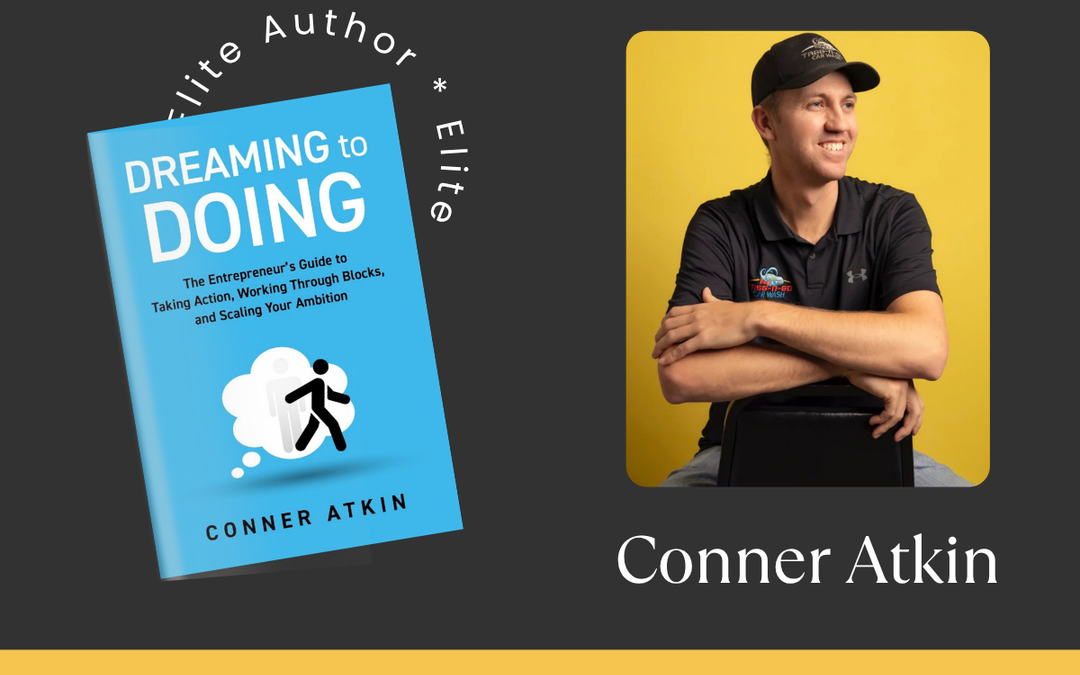
Most people have dreams. Far fewer ever do anything about them. In Dreaming to Doing, entrepreneur Conner B. Atkin shares practical lessons from his own journey of building businesses, overcoming obstacles, and learning what it truly takes to move from ideas to...
TL;DR To find a ghostwriter, define your book’s scope and budget, then source 3 to 5 candidates from a freelance marketplace like Reedsy, a directory like the Association of Ghostwriters, referrals, or a full-service ghostwriting company. Vet their past books,...
TL;DR: Yes, ghostwriting is generally legal. The key is that the arrangement and resulting work must not involve fraud, plagiarism, copyright infringement, or other unlawful conduct. For certain contexts (such as academic work, legal documents, or regulated...