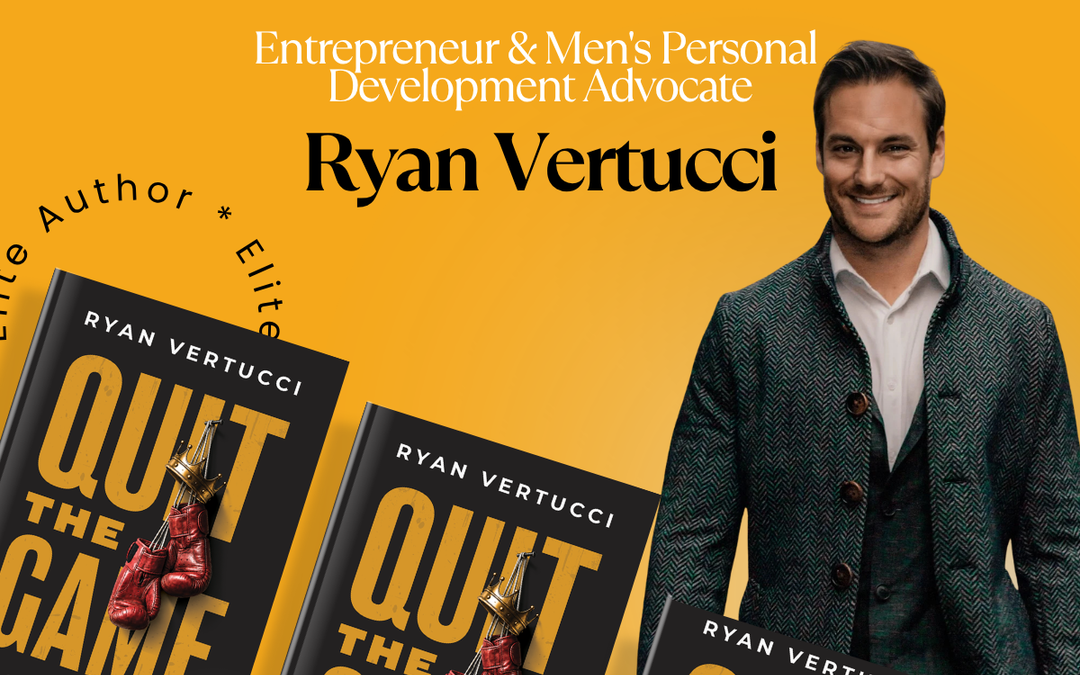
What if everything you’ve been taught about becoming a successful, confident man is actually what’s keeping you from feeling worthy, fulfilled, and free? That’s the question Ryan Vertucci sought to answer in his new personal growth guide for men, Quit The...
TL;DR: To start a horror story, name the specific fear you’re exploring, put a character on the page in the first paragraph, hint at the threat instead of revealing it, and set a tone that matches your ending. Your opening is a promise. The first page decides...
TL;DR: Yes, book royalties are taxable income. Most authors report them on Schedule C and owe both income tax and self-employment tax (15.3%) because writing and selling books counts as a trade or business, not passive income. Platforms like Amazon KDP report your...
TL;DR Self-publishing on Amazon is worth it for most authors, but it’s not passive income. The real challenges aren’t upload mechanics, they’re ranking volatility, a market of over 7 million e-books, thin reviews, and 4-figure upfront costs for...
TL;DR: A personal narrative is a true, first-person story about one meaningful moment in your life, told through scene and reflection instead of a list of events. To write one: pick a moment that still moves you, open with a scene instead of a summary, draft without...
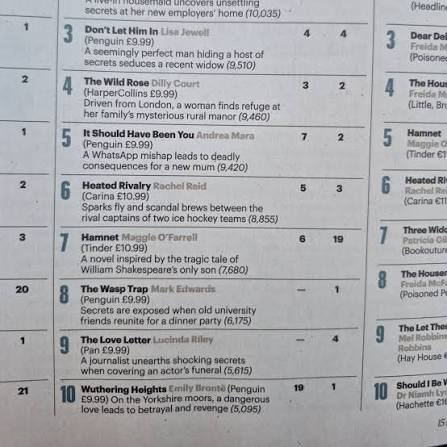
TL;DR The Sunday Times bestseller list ranks UK print book sales for a single week, using point-of-sale data from Nielsen BookScan across roughly 6,500 retailers. The sales week closes Saturday night and the chart publishes the following Sunday. Charting typically...
TL;DR Becoming a New York Times bestseller means selling 5,000 to 10,000 copies in a single week, from diverse retailers across the country, not just Amazon. It’s a specific, editorially curated status, not a raw sales count. This guide breaks down the exact...
TL;DR: A political thriller is a suspense novel where the threat comes from institutional power: governments, intelligence agencies, courts, parties, or the people who control them. The genre splits into 6 recognizable subgenres, and the books that last share one...
TL;DR: An interior monologue is a character’s unspoken thoughts written in their own voice. To write one that holds a reader: anchor it to a decision the character is about to make, use their syntax instead of yours, ground it in the body, and get back to the...
TL;DR To write a book about your life, pick one theme instead of your whole timeline, list 10 to 12 turning points that prove it, and draft one scene per turning point. Choose your format (memoir, autobiography, or essay collection), write 40,000 to 80,000 words, then...