TL;DR This guide rounds up 55 of the funniest authors and comedy authors writing today and throughout history, from Mark Twain and Oscar Wilde to Tina Fey and Terry Pratchett. It breaks down the seven core styles of humor writing (satire, slapstick, dark comedy,...
TL;DR An author bio is a short, third-person paragraph that introduces you to readers on Amazon, Goodreads, BookBub, and your website. The strongest bios stay under 300 words, lead with relevant credentials, add a touch of personality, and close with a call to action....
TL;DR: Realistic fiction is a genre where the setting, characters, and events could plausibly happen to real people, with no supernatural or fantastical elements. It requires a contemporary setting, believable events, a relatable contemporary issue, and a...
TL;DR: A fantasy theme is the underlying message your story teaches beneath the plot, characters, and magic system. Below are 15 fantasy themes with book examples (from self-discovery to power corrupts), plus a 4-step process for building a theme from your own life...
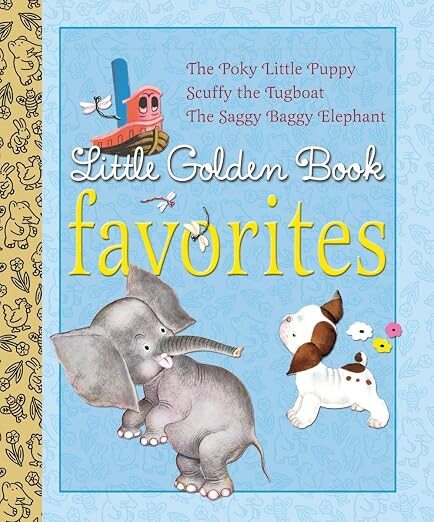
TL;DR The original 12 Little Golden Books launched on October 1, 1942, priced at 25 cents each when other children’s books cost $2 to $3. Published by Simon & Schuster and Western Printing and Lithographing Company, the series became the best-selling...
TL;DR An unreliable narrator is a storyteller whose account of events can’t be fully trusted, whether from bias, madness, naivety, or deliberate deception. Classic examples include Holden Caulfield in The Catcher in the Rye, Amy Dunne in Gone Girl, and...
TL;DR Spines isn’t a scam, it’s a real, venture-backed AI publishing platform that does deliver a finished book fast. But it’s a three-year subscription, not a one-time purchase: it takes 30% of your royalties, you don’t control your own Amazon...
TL;DR To write about nature well, pair direct observation with precise sensory detail, a narrow focus, and a clear reason the scene matters to your reader. The strongest nature writing picks one place, season, or creature rather than “nature” in general,...
TL;DR: Every story is built from 11 parts: characters, setting, plot, conflict, resolution, themes, morals, symbolism, point of view, perspective, and how they all come together. The first five form the foundation; the rest are what separate a complete story from a...
TL;DR A round character is three-dimensional, with conflicting traits, real flaws, and interests that exist outside the plot. Below are 50 examples across romance, fantasy, sci-fi, dystopian, and mystery fiction, plus the specific tactics (contrasting traits,...