













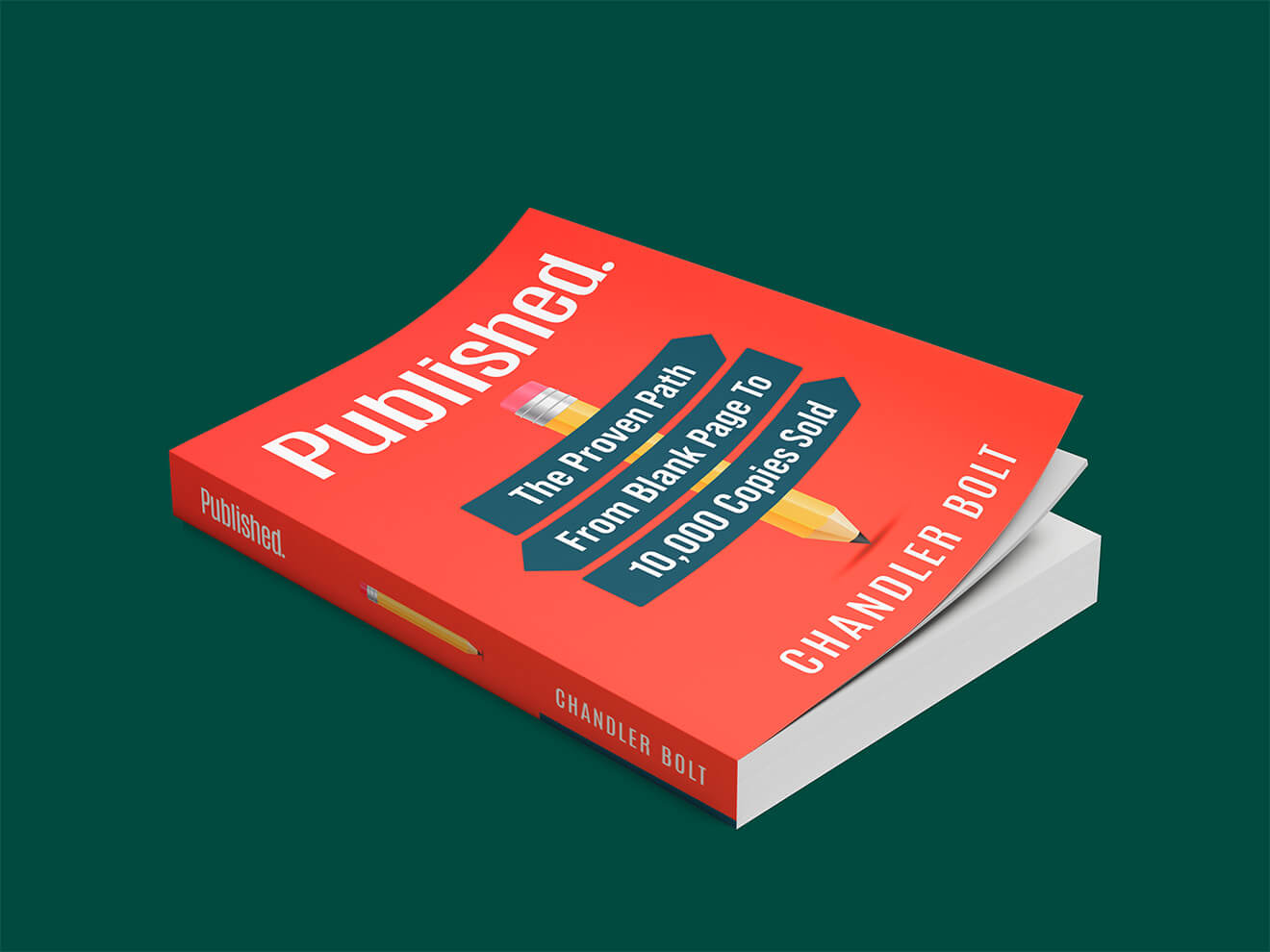


Publishing a book is a major achievement, one that takes time, creativity, and a deep understanding of your subject. But what many authors don’t realize is that their book is just the beginning of a much bigger content ecosystem.
Within your chapters lie dozens of blog posts, keynote talks, online courses, and more.
Repurposing your book isn’t about recycling old material, it’s about reimagining your ideas so they reach new audiences and keep your message alive long after the book launch.
In this post, we’ll explore how to strategically transform your book into bite-sized, profitable formats to turn your expertise into a dynamic brand presence that grows your influence and impact.
Why repurposing your book matters
You’ve already done the hardest part by distilling your knowledge into a cohesive narrative. But once your book is published, what happens next?
Far too many great ideas end their journey at the final page. Repurposing ensures that doesn’t happen. It allows you to extend the life and impact of your work.
Extend the life of your ideas
A book launch creates a moment of excitement, but moments fade. By transforming your book’s ideas into ongoing content like blogs, talks, podcasts, or courses, you keep your message alive and relevant long after the initial release.
Each new format is a fresh opportunity for discovery and engagement.
Reach new and diverse audiences
Not everyone reads books cover to cover. Some people prefer quick reads on LinkedIn, others love learning through videos or live workshops.
Repurposing helps you meet your audience where they are, adapting your ideas to different learning styles and attention spans. The same insight that fills a chapter can become a blog post for busy professionals or a dynamic keynote for a conference crowd.
Build authority across multiple channels
When your book’s key themes show up consistently (in blogs, webinars, podcasts, and stage presentations) you reinforce your expertise. This consistency builds trust and positions you as a thought leader rather than just an author.
Create new revenue streams and opportunities
Repurposing isn’t just about visibility, it’s also about profitability. Turning your content into online courses, workshops, or speaking engagements allows you to monetize your expertise in new ways. Each format becomes a new product in your intellectual property portfolio.
Save time while creating more value
Repurposing doesn’t mean starting from scratch. You’ve already done the heavy lifting in researching, writing, and refining your ideas. With a clear strategy, you can efficiently repackage that content for different formats, creating a steady flow of high-quality material without burning out.
Identify core themes and transformable content
Before you can repurpose your book into new formats, you need to understand which parts of it are most adaptable. Not every paragraph or anecdote will translate perfectly into a blog post or keynote.
That being said, every core theme or framework has the potential to become the backbone of new content. The goal here is to find the high-impact ideas that can live and breathe beyond the book’s pages.
Start with your central message
At the heart of every successful book lies a core idea, or your big “why.” Maybe it’s a leadership philosophy, a system for productivity, or a personal transformation story. This central message should anchor everything you create.
Every blog, speech, or course module should tie back to your central message, ensuring that all your content feels consistent and connected.
Extract your book’s key themes and frameworks
Look at your chapters and identify recurring topics, principles, or models that can stand alone.
Ask yourself:
- Which concepts solve specific problems for readers?
- What frameworks or methods can be taught or demonstrated?
- Are there stories or case studies that illustrate a universal lesson?
Each of these can become a self-contained piece of content like a blog post, a workshop, or a video lesson.
Highlight evergreen and high-energy content
Some parts of your book will always be relevant. Those are your evergreen ideas. Others may tie into current trends or events, which is your high-energy content.
Evergreen content builds long-term authority, while trend-based content keeps you timely and visible. Balance both as you repurpose.
Use a content map to visualize opportunities
Create a simple content map: list your chapters in one column, and in the next, brainstorm potential formats (blog, keynote, course module, podcast topic, social post).
This visual approach helps you spot connections and identify which chapters can generate multiple spin-off pieces.
Listen to your readers
Your audience can tell you what’s most repurpose-worthy. Look at your book reviews or social media comments.
Which stories or lessons do people mention most often?
Their enthusiasm highlights the ideas with the most resonance, and therefore the most potential for expansion.
Turning chapters into blog posts

Your book is already packed with valuable insights and research. Stories that are potential blog posts waiting to be shared.
Blogs are one of the easiest and most effective ways to repurpose your book because they let you break big ideas into digestible and shareable pieces of content. Done strategically, they help you attract new readers and drive traffic back to your broader body of work.
Break each chapter into bite-sized topics
Start by reviewing each chapter for standalone ideas. A single chapter might contain several blog-worthy angles:
- A key insight that can become a thought leadership post.
- A case study or story that can turn into a narrative-driven article.
- A practical framework that can become a how-to or step-by-step guide.
A 10-chapter book could easily yield 20–30 unique blog posts if you focus on distinct takeaways rather than trying to summarize the entire book.
Focus on solving a specific problem
Each blog post should deliver a clear value or solution to your reader. Rather than summarizing a chapter, reframe it:
Instead of: “Chapter 3: Building Resilience in Teams”
Try: “How to Build a More Resilient Team in 3 Practical Steps”
This subtle shift turns your content from informational to actionable and makes it more appealing and shareable.
Adapt the tone for online readership
Blog readers scan, not study. Use subheadings, short paragraphs, and bullet points to keep posts engaging and easy to read.
Pull out key quotes or stats from your book as visual highlights.
End each post with a call to action. Invite readers to download a free resource, subscribe to your newsletter, or check out your book for the full story.
Optimize for SEO without losing authenticity
Identify the search terms your target audience might use to find your content and incorporate them naturally into your headline, introduction, and subheadings. If you can, you should also use it in about 1% of your body content.
But remember, SEO should enhance your content, not dominate it. Authentic, reader-first writing always wins in the long run.
Link back to your book strategically
Every blog post should act as a lead magnet for your book. Include links to related chapters, key frameworks, or bonus materials.
Consider adding a “Learn More” or “From the Book” section at the end of each post. This keeps your book visible while allowing your content to stand on its own.
Crafting keynotes and speaking topics from your book

One of the most powerful ways to expand your book’s reach is by stepping onto the stage. Speaking engagements and keynotes allow you to bring your ideas to life and position yourself as a thought leader in your field.
Your book provides the foundation, and your keynote transforms it into an experience.
Identify the central story or big idea
Every memorable keynote starts with a single, compelling idea. This could be a transformative insight, or a story that encapsulates your message.
Ask yourself: If I had only 20 minutes to share one thing from my book, what would it be?
That’s the core of your keynote.
Build around emotion and story, not just information
While your book may dive deep into details, your keynote should focus on emotion and engagement. Stories are what people remember.
Pull out the most vivid examples, case studies, or personal experiences from your book. Find those moments that moved your readers and let them drive your talk.
A powerful structure to follow is:
- Open with a story that hooks the audience.
- Share the insight or framework from your book that solves a relatable problem.
- Close with a clear takeaway that motivates change or reflection.
Adapt for different audiences and venues
Not every audience needs the same message or depth. Create variations of your keynote by adjusting tone, examples, and timing.
For corporate audiences, emphasize actionable lessons and business outcomes.
For creative or personal growth audiences, highlight transformation and storytelling.
The same core message can flex to fit multiple speaking opportunities.
Use visuals to reinforce your message
Slides should support your story, not repeat your words. Use visuals from your book (diagrams, frameworks, or quotes) to make abstract ideas tangible. Consistent visuals across your book, slides, and website also strengthen your personal brand.
Turn your book into a speaker toolkit
As you refine your keynote, develop a supporting toolkit:
- A one-sheet summarizing your topics and credentials.
- Sample talk titles and descriptions based on your book’s themes.
- Clips or testimonials from early speaking events.
This toolkit makes it easier for event organizers to book you and helps you pitch yourself with confidence.
Record and repurpose again
Every keynote can generate new content. Record your talks (with permission) and extract short clips for social media or soundbites for podcasts. Your live message becomes a marketing engine for both your speaking career and your book.
Designing an online course from your book’s framework
Your book is a curriculum just waiting to be taught. Turning your book into an online course allows you to dive deeper into your content and create a scalable revenue stream.
With a strategic approach, you can transform each chapter, lesson, or framework into a structured learning experience that resonates with your audience.
Break your book into learning modules
Start by mapping your book’s chapters or sections into course modules. Each module should cover one main idea or skill.
For example, a leadership book might have modules on communication, delegation, and conflict resolution.
A personal finance book might break into budgeting, investing, and debt management.
This creates a logical learning journey and ensures your students aren’t overwhelmed.
Add interactive and engaging elements
Unlike reading a book, an online course allows learners to actively participate. Consider including:
- Quizzes or assessments to reinforce learning.
- Worksheets or exercises that help learners apply concepts.
- Video demonstrations or screen recordings for visual learners.
Choose the right format for your audience
Courses can be fully self-paced, instructor-led, or a hybrid. Think about what your audience prefers.
Busy professionals may favor short, self-paced modules they can complete on their own schedule.
Groups or organizations might benefit from live workshops or cohort-based learning.
Tailor the format to maximize both accessibility and value.
Create supplementary materials
Beyond videos and exercises, provide materials that support deeper learning. These extras enhance the learning experience and create a sense of completeness in your course.
You should include:
- Downloadable guides or cheat sheets
- Case studies or examples from your book
- Discussion prompts or community forums
Platform selection and delivery
Select a platform that fits your technical comfort and audience needs.
Popular choices include Teachable, Kajabi, and Thinkific.
Ensure the platform allows you to deliver videos, resources, and interactive elements smoothly while also supporting marketing and payment processing.
Market your course by leveraging your book
Your book is the ultimate credibility booster. Use it to promote your course by:
- Offering the first chapter as a free preview.
- Creating bundled offers with the book and course.
- Highlighting testimonials and success stories from readers.
Your book is just the beginning
Publishing a book is a milestone, but it doesn’t have to be the finish line. Every chapter and insight in your book is a seed for new content.
By repurposing your book thoughtfully, you extend its impact and create new opportunities for your brand and business.
Think of your book not just as a finished product, but as a launching pad. With a strategic approach, you can transform the hard work you’ve already done into multiple formats that engage audiences in different ways and generate ongoing value.
Now it’s time to take the next step: pick one chapter, one idea, or one story and start repurposing. Your book may have been the beginning, but your content journey is just getting started.