













TL;DR: A media kit (also called a press kit) is a collection of materials that gives journalists, podcast hosts, and potential partners everything they need to feature you. For authors, it should include your bio, book covers, media topics, past coverage, and contact info. The nine real-world examples below, from individual creators to major brands, show exactly what great looks like, so you can build yours with confidence.
Why Authors Who Skip the Media Kit Leave Opportunities Behind
Every time a journalist, podcast producer, or event organizer considers featuring you, they ask the same question: Is there enough here to work with?
Without a media kit, the answer is usually no. Not because you aren't worthy of coverage, but because you've made their job harder than it needs to be. Journalists work fast. They gravitate toward the author who makes it effortless to write about them.
A well-built media kit removes every barrier. It hands the media your story, your credentials, your photo, your talking points, and your contact info—all in one place, in exactly the format they need.
If you're planning a book launch and want press coverage, media appearances, or podcast interviews, a media kit isn't optional. It's the infrastructure that makes all of it possible.

Get The Free Book Launch Checklist!
Get your launch right the first time with our resource.
What Is a Media Kit?
A media kit is a curated set of materials, typically a PDF, webpage, or press page, that provides journalists, partners, and event organizers with everything they need to write about you, interview you, or decide whether to collaborate.
Also called a press kit, it functions as your professional introduction to the media world. Instead of fielding the same questions repeatedly, you build a media kit once and let it do the work for you.
Media kits are used by authors, keynote speakers, entrepreneurs, influencers, and brands of every size. They can live as a dedicated page on your website, a downloadable PDF, or integrated directly into your About page, whatever format puts your information where the media will find it fastest.
The best media kits feel like a conversation, not a resume. They give context, communicate personality, and make the journalist's job feel easy before they've typed a single word.
What Should a Media Kit Include?
A media kit should include a bio, photo, book details, social media stats, media topics, past coverage, and contact information—everything a journalist needs to feature you without having to follow up.
The exact contents depend on what you do and who you're trying to reach. Here's a breakdown by type.
Author Media Kit Checklist
If you're building an author media kit, include:
- Short author bio — 50–100 words, written in third person
- Conference or speaker bio — if different from your standard bio
- Professional headshot — high-resolution, licensable for print and web
- Book covers, titles, and prices — with links to purchase pages
- Book descriptions — one sentence, one paragraph, and full-length versions
- Author website URL — and any relevant blog or resource links
- Social media links and follower counts — especially platforms where you're most active
- Media topics and talking points — 3–5 angles a journalist or host can pitch
- Suggested interview questions — make it easy for a host to prepare
- Past media coverage — links to articles, podcast appearances, or press mentions
- Contact information — direct email, publicist contact if applicable
Building a thought leadership strategy alongside your book? Your media kit becomes the centerpiece of that strategy. The topics section, in particular, signals your expertise and positions you as the go-to source in your niche.
Business or Brand Media Kit Checklist
If you're representing a company or brand, also include:
- Company description and mission statement
- Founding story and key milestones
- Social media statistics (reach, engagement rate, audience demographics)
- Partnership and collaboration history
- Customer testimonials and case studies
- Logos and brand guidelines
- High-resolution product images
- Executive bios
- Media contacts
- Boilerplate statement (standard company description for press)
- FAQ section
- Editorial calendar (for media partnerships)
The 3 Formats a Media Kit Can Take
Before looking at examples, it helps to understand the three main formats, because the right choice depends on your goals and audience size.
| Format | Best For | Examples |
| Dedicated press page (on your website) | Authors, speakers, small businesses | Uber newsroom, Airbnb About page |
| Downloadable PDF | Conferences, brand partnerships, pitching | Forbes, GearJunkie, Jenna Kutcher |
| Integrated About/News page | Larger brands with ongoing media activity | Delta, Slack |
Most authors should start with a dedicated press page on their author website. It's always current, easy to update, and findable via search. Add a downloadable PDF version for pitching podcasts and conferences.
9 Media Kit Examples Worth Studying
1. Jenna Kutcher—The Gold Standard for Individual Creators
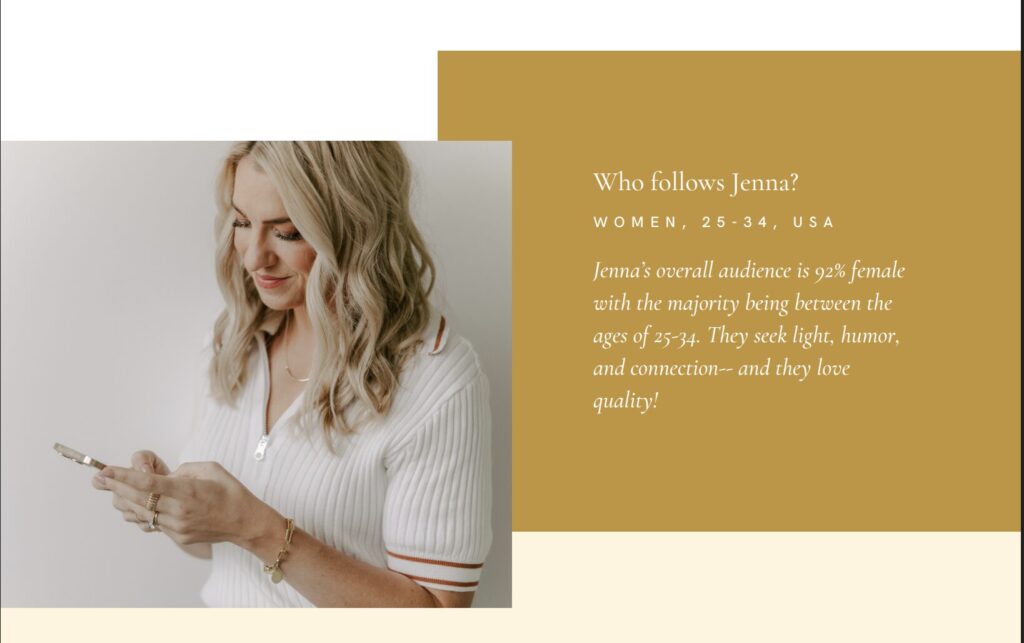
What makes it work: Jenna's media kit reads like a conversation, not a corporate document. It's beautifully designed, packed with concrete statistics, and written in her distinct voice, so a journalist can pull quotes directly without having to conduct a full interview first.
What to borrow: Her approach of combining hard data (follower counts, download numbers, reach) with personality-driven copy is exactly what individual authors should aim for. Stats establish credibility. Voice establishes connection. You need both.
Key takeaway: Write your bio sections in a way that sounds like you talking about yourself to a friend—confident but warm. Journalists who feel like they know you already are far more likely to pitch a story.
2. Delta—The Comprehensive Newsroom Model

What makes it work: Delta's press kit is enormous, but that's appropriate for a company of their scale. Rather than a single document, each section (awards, corporate stats, history, fleet information) lives on its own dedicated page within their media center.
What to borrow: If you have multiple books, several speaking topics, and a body of past media coverage, consider giving each category its own section rather than cramming everything into a single page or PDF.
Key takeaway: Structure your media kit around how journalists will use it, not how you want to present it. Most journalists are searching for one specific thing—make it easy to find.
3. Spotify—Product-Led Storytelling

What makes it work: Spotify's media kit does more than describe the company, it demonstrates the product. Their kit explains Streaming Intelligence (a core feature) in plain language, then backs it up with performance stats and partnership data.
What to borrow: If your book solves a problem or teaches a skill, your media kit should demonstrate that value rather than simply describe it. Include a key insight, a compelling data point, or a brief case study that shows results.
Key takeaway: If you're planning a branded podcast or podcast guesting strategy to support your book, study this one closely. It shows how to position a content platform, not just a product.
4. Airbnb—The Embedded About Page Approach
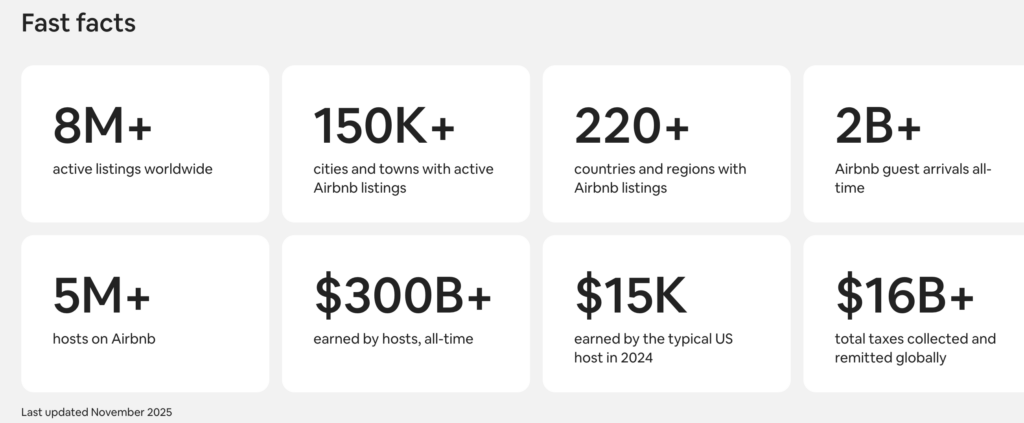
What makes it work: Airbnb doesn't have a traditional media kit, they've woven all the key information directly into their About Us page. Statistics, founding story, leadership team, and company milestones all live in one navigable page.
What to borrow: You don't need a separate press page if you don't have one yet. Start by enriching your About page or adding a "Press" section with your key stats, bio, and headshot. The media kit content matters more than whether it has its own URL.
Key takeaway: Accessibility beats formality. The best media kit is the one journalists can actually find and use, not the most elaborate one buried in your site.
5. Forbes—Designed for Credibility at Scale
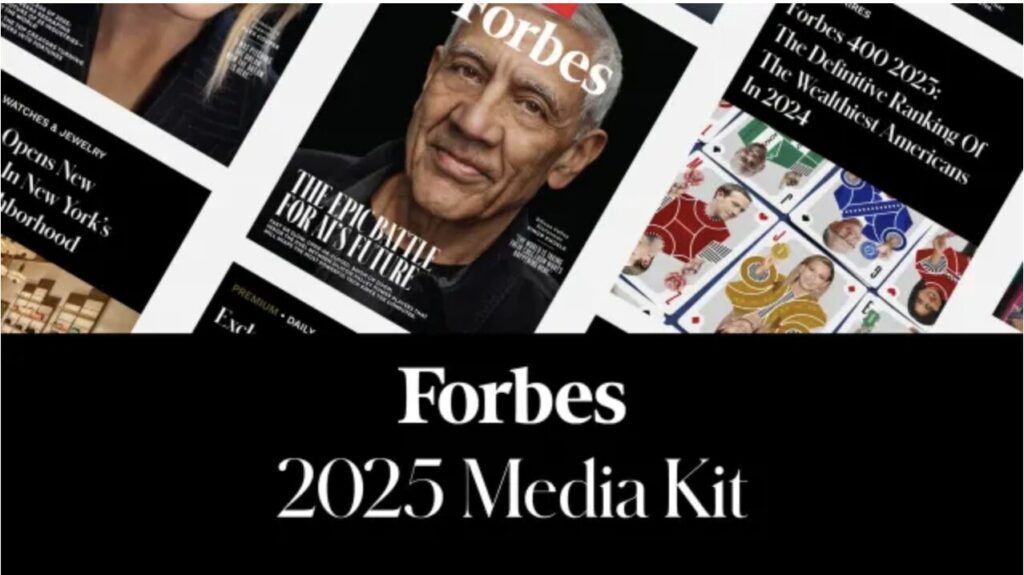
What makes it work: Forbes leads with mission and brand voice, then layers in audience demographics, reach statistics, and a global outreach map. Every element is designed to answer a specific question a potential media partner would have.
What to borrow: Their demographic breakdown is exceptional. If you know your reader audience well—age range, profession, income level, location—include that data. It's immensely useful for journalists calibrating whether your story fits their readership.
Key takeaway: The more specific your audience data, the more useful your media kit becomes for collaborators. Vague claims ("large audience") carry zero weight. Specific numbers ("42,000 email subscribers, 68% female, primary interest: personal development") make you immediately actionable.
6. GearJunkie—Niche Authority, Clearly Communicated

What makes it work: GearJunkie's media kit establishes authority within a specific niche immediately. Within the first few pages, you know exactly who their audience is, what they care about, and why covering GearJunkie gets you in front of those people.
What to borrow: Authors who write in a specific niche—finance, health, parenting, spirituality, business—should front-load their niche authority. Don't make a journalist read five pages before they understand why your book matters to your specific audience.
Key takeaway: Lead with your niche. "Award-winning author of three books on personal finance for women in their 30s" is infinitely more useful to a journalist than "bestselling author."
7. Entrepreneur—Editorial Calendar and Audience Demographics
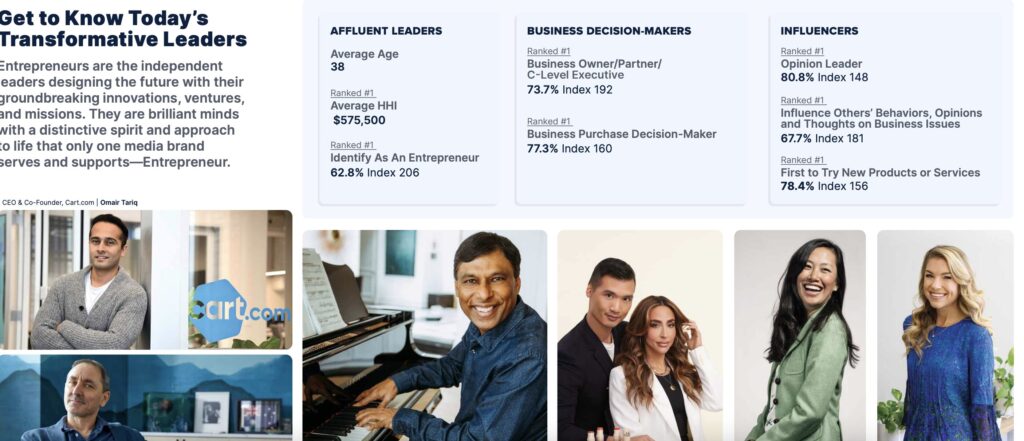
What makes it work: Entrepreneur's media kit combines stunning design with deep substance. They include reader demographics, an editorial calendar, content samples, and social proof — giving any potential partner a complete picture of their platform and audience.
What to borrow: The editorial calendar inclusion is worth noting. If you blog consistently or have regular content themes, sharing your content calendar signals professionalism and helps collaborators identify the best moment to partner with you.
Key takeaway: Great design signals that you take your professional brand seriously. If design isn't your strength, use Canva or hire a designer for your media kit. First impressions matter disproportionately.
8. Uber—Newsroom Integration
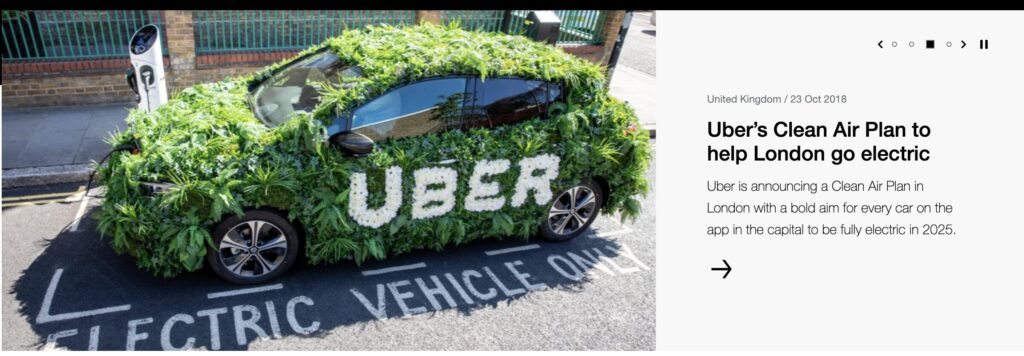
What makes it work: Uber integrates their press kit directly into their online newsroom, so the first thing any visiting journalist sees is the most recent news, not a static company description. Brand assets, leadership bios, and media contacts are clearly accessible from there.
What to borrow: If you're actively generating news (new book releases, speaking engagements, major media appearances) structure your press page so the most recent activity appears first. A stale press page signals a stale author.
Key takeaway: Keep your media kit current. Update it every time you release a book, land a major press mention, or hit a new follower or sales milestone. An outdated kit actively hurts you.
9. Slack—Brand Guidelines as Media Kit Centerpiece
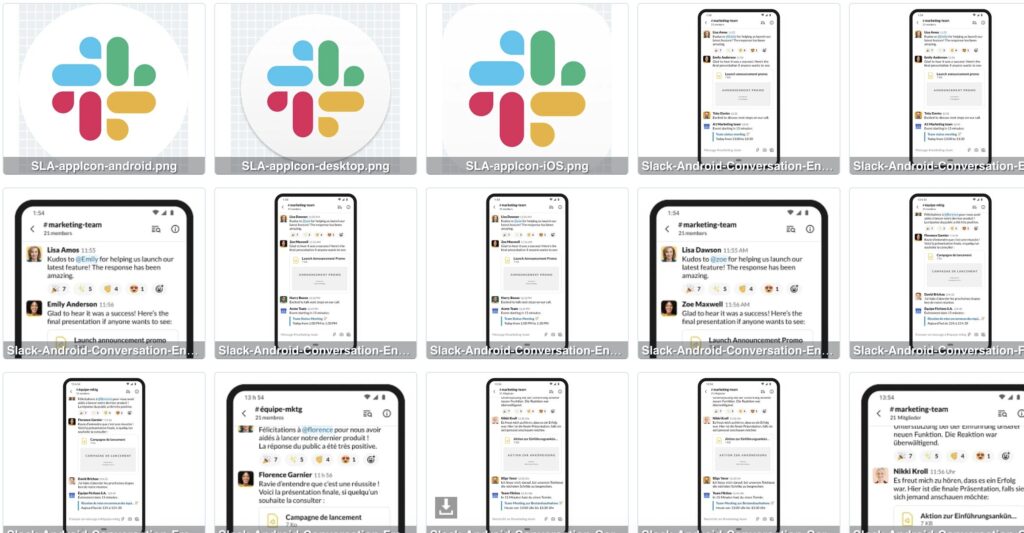
What makes it work: Slack's media kit is primarily a brand guidelines document—logos, color codes, product screenshots, and usage instructions dominate the page. This ensures that every media mention of Slack looks and sounds exactly right.
What to borrow: Authors have brand assets too: your book covers, headshot, logo (if you have one), and author name styling. Include high-resolution downloads of each in your media kit so journalists and bloggers can use them without needing to request files separately.
Key takeaway: Make your assets turnkey. A journalist who has to email you three times to get a usable headshot will move on. A journalist who downloads your media kit and finds everything pre-sized and labeled is far more likely to publish.
What the Best Media Kits Have in Common
After studying these nine examples, five patterns emerge across every successful media kit, regardless of industry or audience size.
Concrete numbers over vague claims. Every strong media kit leads with specific, verifiable data. Not "a large following," but "127,000 Instagram followers and 38,000 email subscribers." Specificity builds trust instantly.
A clear, distinct voice. The best kits (especially individual creators like Jenna Kutcher) sound like a person, not a press release. That voice consistency signals authenticity and makes the journalist's job easier.
Audience demographics. Who reads your work, listens to your podcast, or follows your platform? Media partners need to know if your audience overlaps with theirs. Include age range, interests, and any other relevant demographic data you have.
Easy access to assets. High-resolution photos, logos, and book covers should be downloadable without having to send an email. Remove every friction point between "I want to feature this author" and "I have everything I need."
A clear next step. Every media kit should end with a contact section that makes it obvious how to reach you—and fast. Include a direct email, a booking link if you accept speaking requests, and response time expectations.
Common Media Kit Mistakes Authors Make
Using a bio written in first person. Media kits use third person throughout. Journalists will often quote your bio directly—"Award-winning author Jane Smith writes about..."—so it must work in print without editing.
Outdated information. A media kit with a three-year-old headshot and follower counts from 2022 actively undermines credibility. Audit yours every six months at minimum.
No suggested interview questions. This is the single most underused element in author media kits. Podcast hosts and interviewers are grateful for suggested questions—it reduces their prep time and ensures you get asked about the things you actually want to talk about.
Burying the contact information. Make it the last thing on every page, not hidden in a footer. A journalist who has to hunt for your email will often give up.
No book description options. Include a one-sentence version, a one-paragraph version, and a full description. Different media formats need different lengths, and providing all three makes you the easiest person to feature.
Frequently Asked Questions
What is a media kit? A media kit (also called a press kit) is a curated set of materials, bio, photos, statistics, book details, talking points, and contact information, that gives journalists, podcast hosts, and event organizers everything they need to feature you without additional follow-up.
What should an author media kit include? An author media kit should include a short bio (third person), professional headshot, book covers and descriptions, social media stats, three to five media topics or talking points, suggested interview questions, past media coverage, and direct contact information.
How long should a media kit be? There's no fixed length—it should be as long as it needs to be to answer every question a journalist might have. Individual authors typically need two to six pages for a PDF kit or one well-organized press page on their website. Brands with multiple products or divisions may need significantly more.
Do I need a media kit before my book is published? Ideally, yes. Build your media kit 60–90 days before your book launch so you can begin pitching media outlets, podcast hosts, and event organizers before your release date. Pre-launch coverage is more valuable than post-launch coverage for driving sales momentum.
What format should a media kit be in? The two most effective formats are a dedicated press page on your author website (always current, findable via search) and a downloadable PDF (for pitching via email). Most serious authors maintain both.
Should I include my social media follower counts if they're small? Yes—with context. If your follower count is modest but your engagement rate is high, or your email list is your strongest channel, lead with your strongest number. A highly engaged email list of 3,000 subscribers can be more valuable to a journalist than 50,000 passive social followers.
Ready to Build Your Author Media Kit?
A media kit is one of the highest-leverage investments you can make in your book marketing strategy. Built well, it works for you continuously—generating press coverage, podcast appearances, and speaking invitations without requiring you to pitch from scratch every time.
Start with the essentials: bio, headshot, book description, 3–5 talking points, and your contact information. Then expand as you accumulate media coverage, testimonials, and audience data.
If you want expert support building a complete book marketing strategy (media kit, launch plan, Amazon marketing, and beyond) schedule a free strategy call with the selfpublishing.com team. We've helped thousands of authors reach bestseller status, and we can help you get there too.
Last updated: April 2026