














If you’ve ever wondered how to make an audiobook, you’re in the right place. While the process might seem intimidating at first, creating an audiobook is far more achievable than it used to be. With the right planning, tools, and approach, you can go from written manuscript to polished audio production.
Audiobooks are no longer a niche format, they’re one of the fastest-growing ways people consume books today. Whether listeners are commuting, exercising, or relaxing at home, audio makes stories and information more accessible than ever.
For authors, this shift presents a powerful opportunity: turning a book into an audiobook can help you reach new audiences and greatly increase your revenue. Truly, there are so many benefits of audiobooks for authors.
In this guide, we’ll walk you through exactly how to make an audiobook, step by step. From preparing your book and choosing a narration method to recording, editing, and distributing your finished audiobook, you’ll learn everything you need to confidently bring your story to life in audio form.
How to make an audiobook: pre-production
Before you hit record, it’s important to lay the groundwork. Pre-production is all about making smart decisions early so you don’t run into legal, technical, or distribution issues later. Two of the most important steps in this phase are confirming your audio rights and deciding on your audiobook’s format.
Check your rights
One of the most common misconceptions about audiobooks is that owning a print or ebook automatically gives you the right to create an audio version.
In reality, audio rights are a separate set of rights.
If you’re the author and you’ve self-published your book, you likely own them, but if your book is traditionally published, those rights may belong to your publisher.
Before moving forward, make sure you either:
- Own the audiobook rights outright, or
- Have written permission from the rights holder to produce an audiobook
Skipping this step can lead to serious legal and distribution problems down the line.
Decide on format
Once your rights are in order, the next step in learning how to make an audiobook is deciding how it will be structured.
Most modern audiobooks are unabridged, meaning they include the full text of the original book. This is generally what listeners expect, especially for fiction and nonfiction titles.
Abridged audiobooks (shortened versions that remove or condense content) are less common today but may still work for certain educational or time-sensitive projects.
Your audiobook should closely mirror the structure of your book. Each chapter is typically recorded as a separate audio file, which helps with navigation and meets distribution platform requirements.
Keeping chapter titles, order, and pacing consistent makes the listening experience smoother and avoids issues during submission to major audiobook platforms.
Taking the time to plan these details upfront will save you hours of rework later and set your audiobook up for a professional, platform-ready release.
Choose your narration approach
One of the biggest creative decisions in learning how to make an audiobook is choosing who will narrate it. The narrator’s voice sets the tone for the entire listening experience, so it’s worth carefully considering your options.
Record it yourself
Recording your own audiobook can be a great choice if you’re the author and feel confident reading aloud. It’s especially effective for nonfiction, memoirs, or personal development books where listeners expect to hear directly from the author.
To get professional-sounding results, you’ll need more than just a good voice. You’ll want to focus on:
- A quiet recording space with minimal background noise and echo
- A quality microphone designed for voice recording rather than built-in laptop or phone mics
- Pop filters to reduce harsh “p” and “b” sounds
- Monitoring your audio with headphones to catch issues as you record
Recording yourself gives you complete creative control and can lower costs, but it does require time, patience, and attention to technical details.
Hire a professional narrator
If you want the highest level of polish, hiring a professional narrator is often the best route. Experienced narrators know how to pace a story, differentiate characters, and keep listeners engaged over long sessions. This is especially valuable for fiction or complex nonfiction where performance plays a major role.
While hiring a narrator is more expensive upfront, it often results in a more immersive and listener-friendly audiobook.
Most creators audition multiple narrators before choosing one. Popular platforms for finding and hiring narrators include:
- ACX, Audible’s audiobook production marketplace
- Voices by INaudio, which also supports production and distribution
Recording your audio
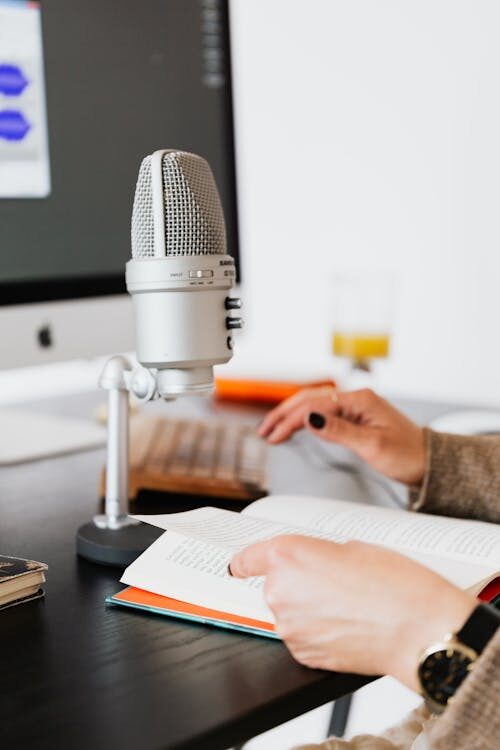
If you’ve chosen to narrate your audiobook yourself, it’s time to focus on the recording process. This stage is where preparation and consistency really pay off.
Following best practices will help you produce clean, professional audio and make editing and distribution much easier later on.
Read aloud like a pro
Recording an audiobook is very different from reading silently. To protect your voice and maintain quality throughout the project, aim to record in short, focused sessions rather than marathon takes.
Many experienced narrators recommend sessions of 30–60 minutes at a time.
Before each session, do a few vocal warm-ups to loosen your voice and reduce strain. Pay attention to consistent pacing. Speaking too quickly can make it hard for listeners to follow, while speaking too slowly can sound unnatural.
Capture clean audio
Clean audio is essential when learning how to make an audiobook that meets platform standards. Record in the quietest environment possible, turn off background noise sources, and stay a consistent distance from your microphone.
One often-overlooked step is recording room tone (about 10 to 30 seconds of silence in your recording space). This ambient sound is invaluable during editing, allowing you to smooth out cuts and remove unwanted noise without creating awkward gaps.
Organize your files properly
To stay organized and platform-ready, save each chapter as a separate audio file. This makes navigation easier for listeners and aligns with the requirements of most audiobook distributors.
In addition to chapter files, record opening credits (title, author, narrator) and closing credits (copyright information and acknowledgments).
Keeping your files clearly labeled and consistently formatted will save time during editing and ensure a smoother submission process when your audiobook is ready for distribution.
Editing & post-production
Editing and post-production are what transform raw recordings into a professional, listener-ready audiobook. Even the best narration will need cleanup, so this step is essential if you want your audiobook to meet industry standards and provide a smooth listening experience.
Clean up the audio
Start by removing obvious issues such as mistakes, false starts, long pauses, and background noise. This includes mouth clicks, breaths that are too loud, page turns, or any sounds that distract from the narration.
Editing also involves tightening pacing so the audiobook flows naturally without feeling rushed or uneven.
If you recorded room tone during your sessions, you can use it to fill gaps and smooth transitions, preventing sudden drops into silence that can sound jarring to listeners.
Edit it yourself or outsource
You can edit your audiobook yourself using audio editing software, but it’s important to be realistic about the time and skill involved. Audiobook editing requires attention to detail and consistency across hours of audio.
Alternatively, many authors choose to outsource editing and mastering to professionals who specialize in audiobooks. Professional editors know exactly how to meet platform requirements and can save you significant time while ensuring high-quality results.
Meet audiobook technical standards
Before submission, your audiobook must meet specific volume, loudness, and file-formatting standards set by major distribution platforms. These standards ensure your audiobook plays at a consistent, comfortable volume across different devices and apps.
While exact requirements vary by platform, post-production typically includes balancing audio levels across all chapters, ensuring consistent loudness from start to finish, and exporting files in the correct format and specifications.
Taking the time to finalize these technical details is critical. Audiobooks that don’t meet submission standards may be rejected or require revisions, delaying your release.
Distribution
Once your audiobook is fully produced and meets technical standards, the final step is distribution. Choosing the right platforms and understanding how distribution works will directly impact your reach and long-term earnings.
Where to publish your audiobook
There are several major platforms where you can publish and sell your audiobook, each with its own strengths:
Audible/ACX: One of the most popular options, especially for reaching Audible listeners. ACX connects authors with narrators and handles distribution to Audible, Amazon, and Apple Books.
Apple Books: Offers broad global reach and strong visibility for audiobooks, often accessed through an aggregator.
Google Play Books: Allows listeners to purchase audiobooks without a subscription, which can appeal to a wider audience.
Voices by INaudio: A widely used distribution platform that sends your audiobook to multiple retailers and libraries, giving you more flexibility and control.
Choosing one platform or using a distributor depends on whether you want exclusivity, wide distribution, or access to specific audiences. To learn more, here is our full review of the best audiobook platforms.
Uploading your audiobook and sample clips
Most platforms require you to upload separate audio files for each chapter, along with opening and closing credits. You’ll also be asked to provide metadata such as the title, author name, narrator, and description.
In addition, you’ll need to submit a short sample clip, usually taken from an engaging portion of the audiobook. This preview helps potential listeners decide whether to purchase, so it’s important to choose a section that reflects the tone and quality of the full recording.
Distribution models and royalties
Audiobook distribution comes with different royalty structures and exclusivity options. Some platforms offer higher royalty rates in exchange for exclusivity, while others allow you to distribute widely across many retailers with slightly lower per-sale earnings.
Key considerations include:
- Exclusive vs. non-exclusive distribution
- Subscription-based vs. à la carte sales models
- Royalty percentages and payout schedules
Understanding these options will help you select the distribution strategy that best aligns with your goals, whether that’s maximizing revenue, increasing reach, or building long-term audience awareness.
Working with audiobook production companies
If you’re researching how to create an audiobook but feel overwhelmed by the technical and time-intensive steps, working with a professional team may be the right solution.
Audiobook production companies handle the entire process from start to finish, allowing authors and publishers to focus on the creative side while experts manage the execution.
What audiobook production companies do
Professional audiobook production typically includes narration, recording, editing, mastering, and quality control, all completed to meet industry and platform standards.
Many audiobook production services also assist with casting narrators, managing revisions, and preparing files for distribution.
This end-to-end approach ensures consistent audio quality and reduces the risk of submission rejections from major audiobook platforms.
Benefits of using audiobook production services
Working with experienced audiobook production companies offers several advantages:
- Access to professional narrators and sound engineers
- High-quality recording environments and equipment
- Expertise in platform-specific technical requirements
- Faster turnaround compared to DIY production
For authors who want a polished, market-ready audiobook without learning audio engineering, professional services can be a worthwhile investment.
Understanding audiobook production cost
One of the most common questions about audiobook production cost is how pricing works. Costs can vary widely depending on factors such as:
- Length of the book (usually priced per finished hour)
- Whether you choose a professional narrator or full cast
- Level of editing and post-production required
- Additional services like distribution support
While professional audiobook production may require a higher upfront investment, it often results in better sound quality, stronger listener engagement, and long-term value for your audiobook catalog.
Is a production company right for you?
Choosing between DIY production and professional audiobook production services depends on your budget, timeline, and goals. I
f you’re looking for the most hands-off way to learn how to create an audiobook that meets industry standards, partnering with a production company can be one of the most reliable paths.
Get your audiobook out in the world
Learning how to make an audiobook may seem complex at first, but when you break it down step by step, it becomes a manageable and rewarding process.
From planning and choosing the right narration approach to recording, editing, and distribution, each stage plays an important role in creating a professional audiobook that listeners will enjoy.
Whether you decide to record your book yourself, work with a professional narrator, or partner with audiobook production companies, the key is choosing the path that best fits your budget, timeline, and creative goals.
With thoughtful preparation and attention to quality, your audiobook can open the door to new audiences, increase accessibility, and add long-term value to your work.
As audiobooks continue to grow in popularity, now is a great time to turn your written content into audio. By following this guide on how to make an audiobook, you’ll be well-equipped to move confidently from manuscript to finished production.