











TL;DR Funny book memes are images or GIFs built around books, reading culture, writing life, or specific characters and plots — and they're one of the most underrated book marketing tools for authors. They're fast to create, highly shareable, and signal to readers that you're one of them. This guide covers 45 meme ideas across five categories, with real examples authors can replicate and adapt to market their own books.

What Is a Funny Book Meme?
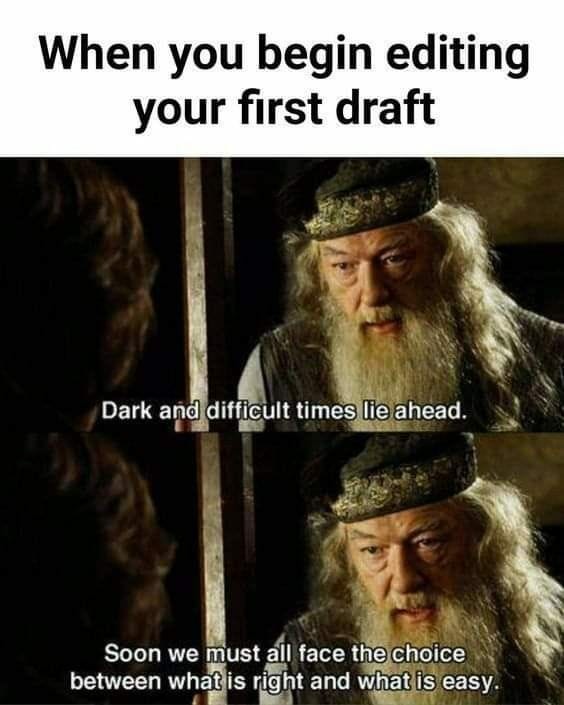
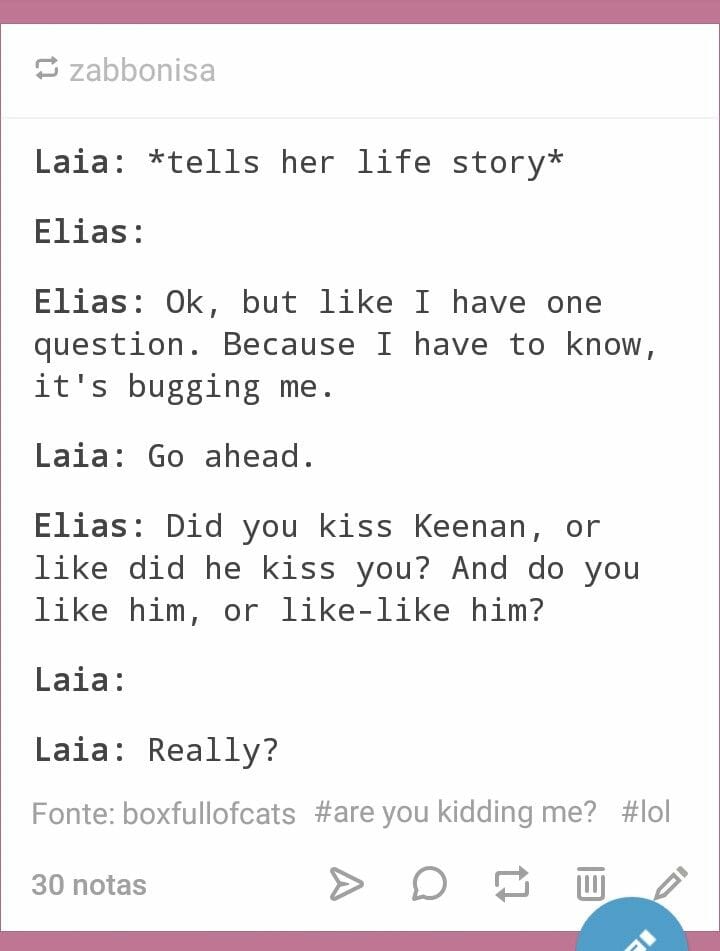
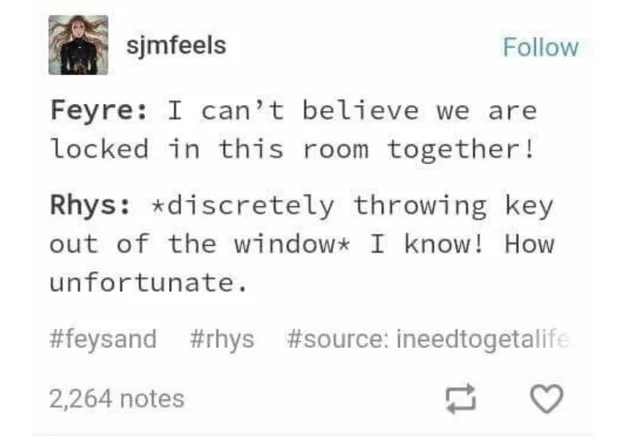
A funny book meme is an image or GIF—usually built on a recognizable meme format—that centers on books, reading, writing, or author life. The subject can range from universal reader experiences (a favorite character dying) to writing-process humor (editing your first draft) to story-specific content from your own book.
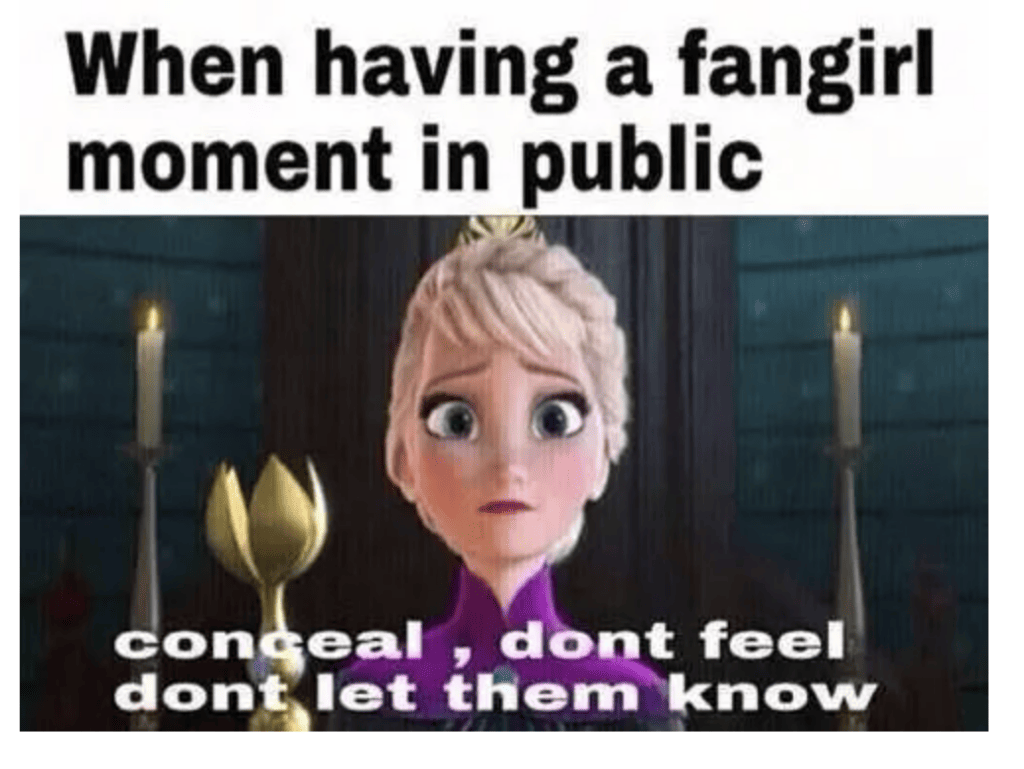
The key ingredient: an inside joke that readers instantly recognize.
Book memes can be:
- Relatable reader moments
- Writing and author humor
- Plot- or character-specific content from your book
- Genre-specific nods that attract your target readers
Why Funny Book Memes Are Powerful Author Marketing
Book memes are one of the most efficient forms of book marketing available to self-published authors today. They do what most promotional content can't: they don't look like marketing.
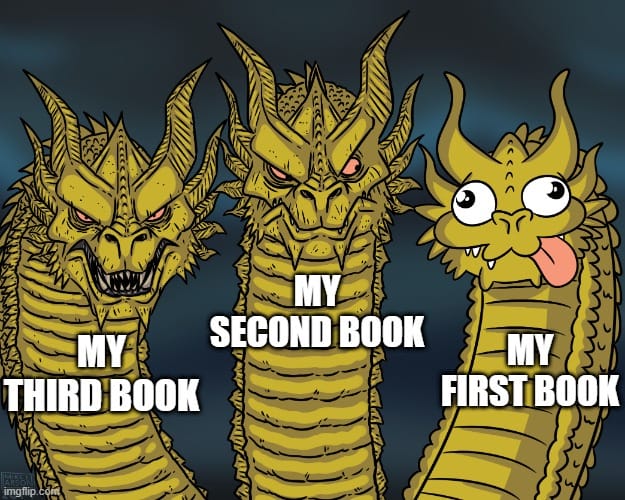
Here's what makes them work:
- They signal community. The moment a reader sees a meme that captures exactly how it feels when their favorite character dies, they know you understand them. That connection converts to follows—and follows convert to readers
- They're naturally shareable. Readers share memes with other readers. Every share puts your name in front of a new potential audience at zero additional cost
- They drive engagement. Likes, comments, and shares tell social media algorithms to show your content to more people—including your book-specific posts
- They transcend platforms. A good meme works on Instagram, TikTok, Facebook, X, email, and even blog posts
- They're fast to create. Unlike a book trailer or a full content campaign, a meme can be made in minutes, which means you'll actually make them consistently
- They're a more accepted form of promotion. Readers don't scroll past memes the way they scroll past ads. That alone makes them worth learning
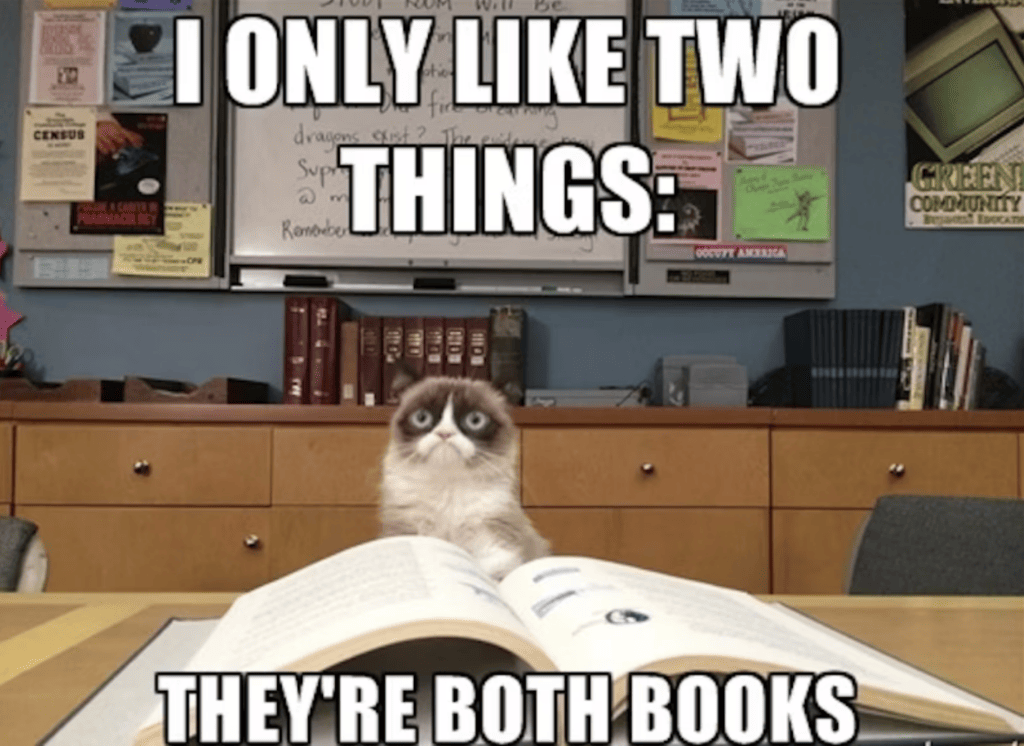
The important caveat: memes aren't a standalone strategy. Pair them with a variety of book marketing tactics for consistent, long-term platform growth.
45 Types of Funny Book Memes to Create as an Author
There are thousands of possible book memes. These five categories are the most strategic starting points for authors looking to build an audience and generate interest in their work.
1. Memes About Reading in General
These attract the broadest audience—every reader relates to them.
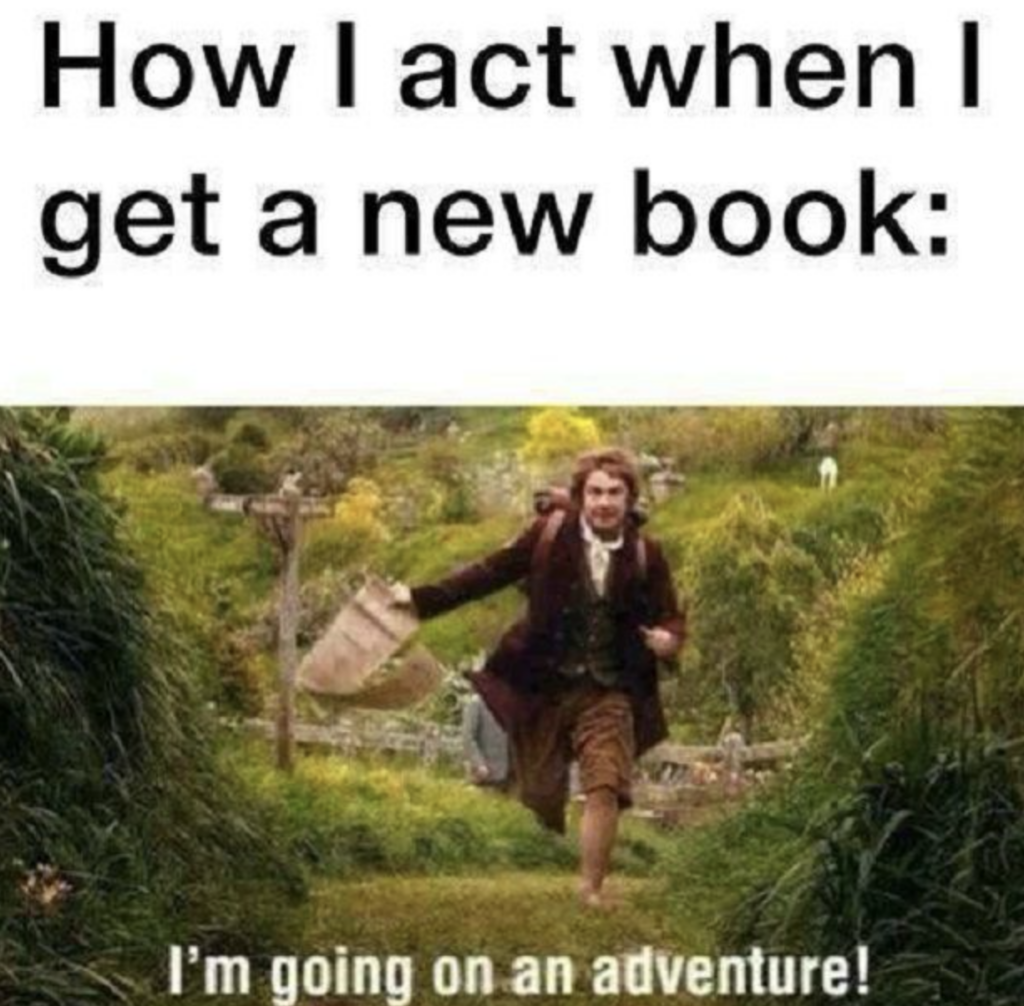
Reading-life memes showcase the universal experiences of avid readers: book hangovers, TBR piles that grow faster than you can read them, the devastation of a great book ending. They generate the highest engagement of any book meme category because they're instantly relatable to anyone who loves to read, regardless of genre.
Use these to:
- Build a general reader following that you can then warm up to your genre-specific content
- Boost engagement on your profile, which helps surface your book-specific posts
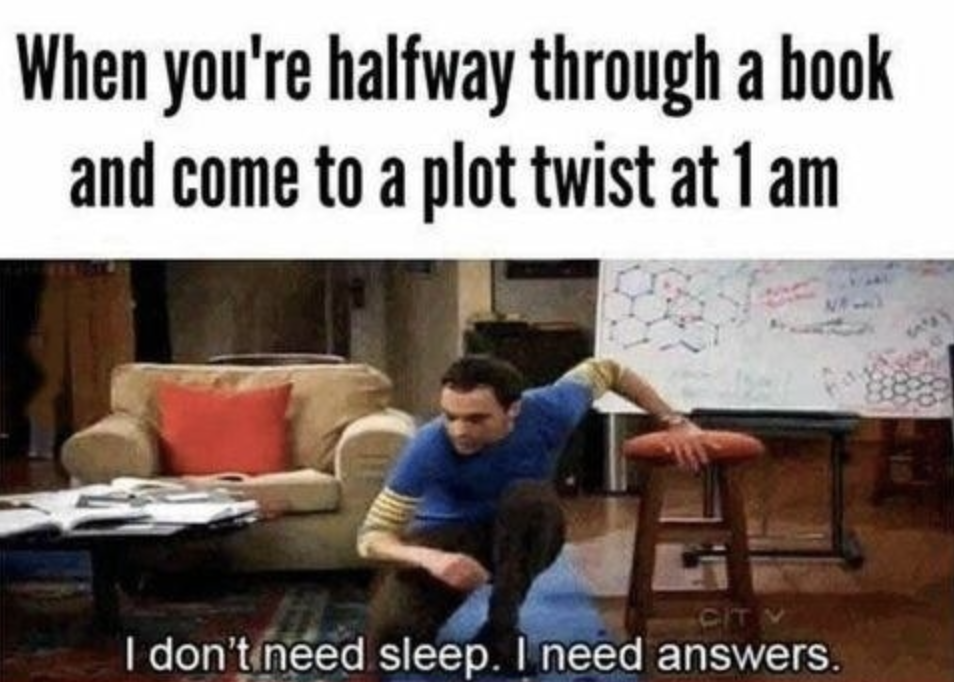
Ideas to get started:
- How it feels when a beloved character dies (again)
- The physical pain of finishing a 10-book series
- Searching for the perfect next book vs. adding 12 more to your TBR
- The "book hangover" you can't shake
- Reactions to unexpected relationship tropes in fiction
- Genre-specific humor built around types of characters readers love and hate
2. Memes About Writing Books
Writers are readers, and they're an engaged, shareable audience.
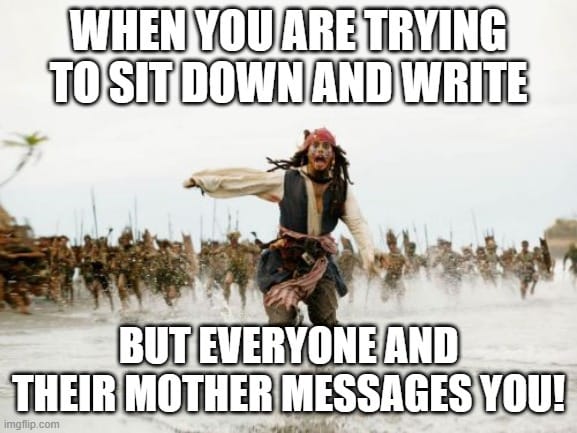
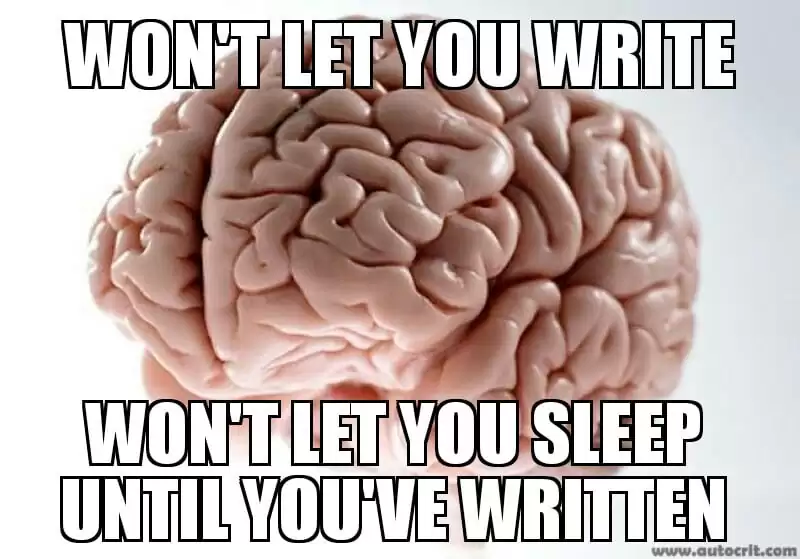
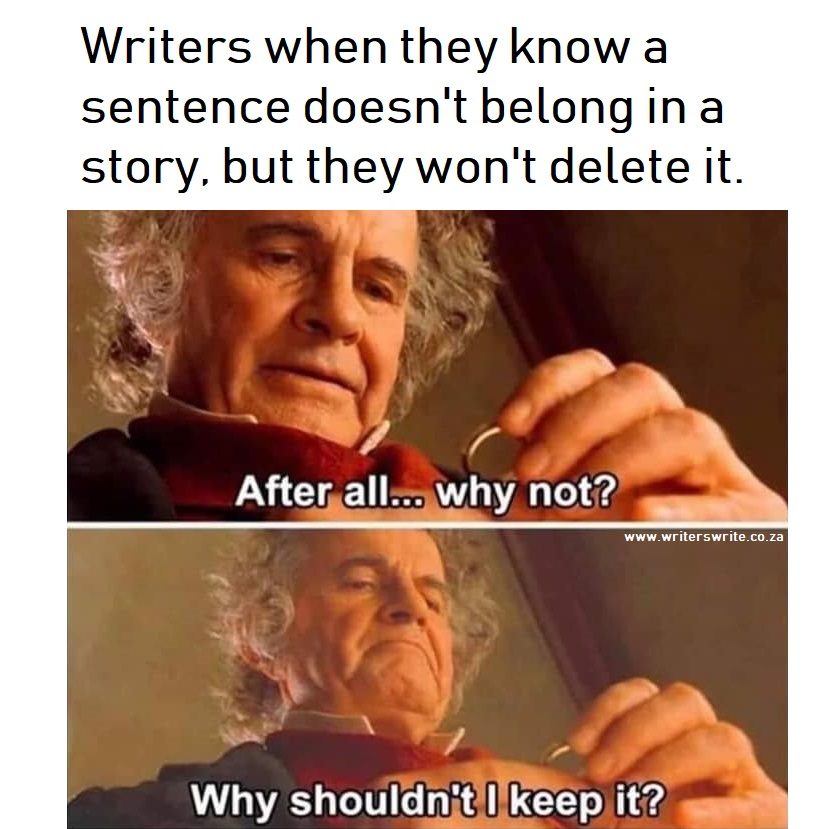
Writing-life memes attract fellow authors who are also voracious readers. By building connections in the writing community, you're reaching readers through a channel they're already consuming. The writing process is rich with comedy material: writer's block, the gap between your idea and your first draft, the chaos of a plotting session.

Ideas to get started:
- The terrifying bliss of a new idea vs. the reality of Chapter 3
- What writer's block actually looks like at 11pm
- Explaining your plot to a non-writer and watching their face
- The difference between "writing a book" in your head vs. on paper
- Using book writing software for the first time
- Hitting your word count vs. reading back what you wrote
3. Memes Specifically About Your Book
These are your highest-intent marketing tools—use them once you have a base.
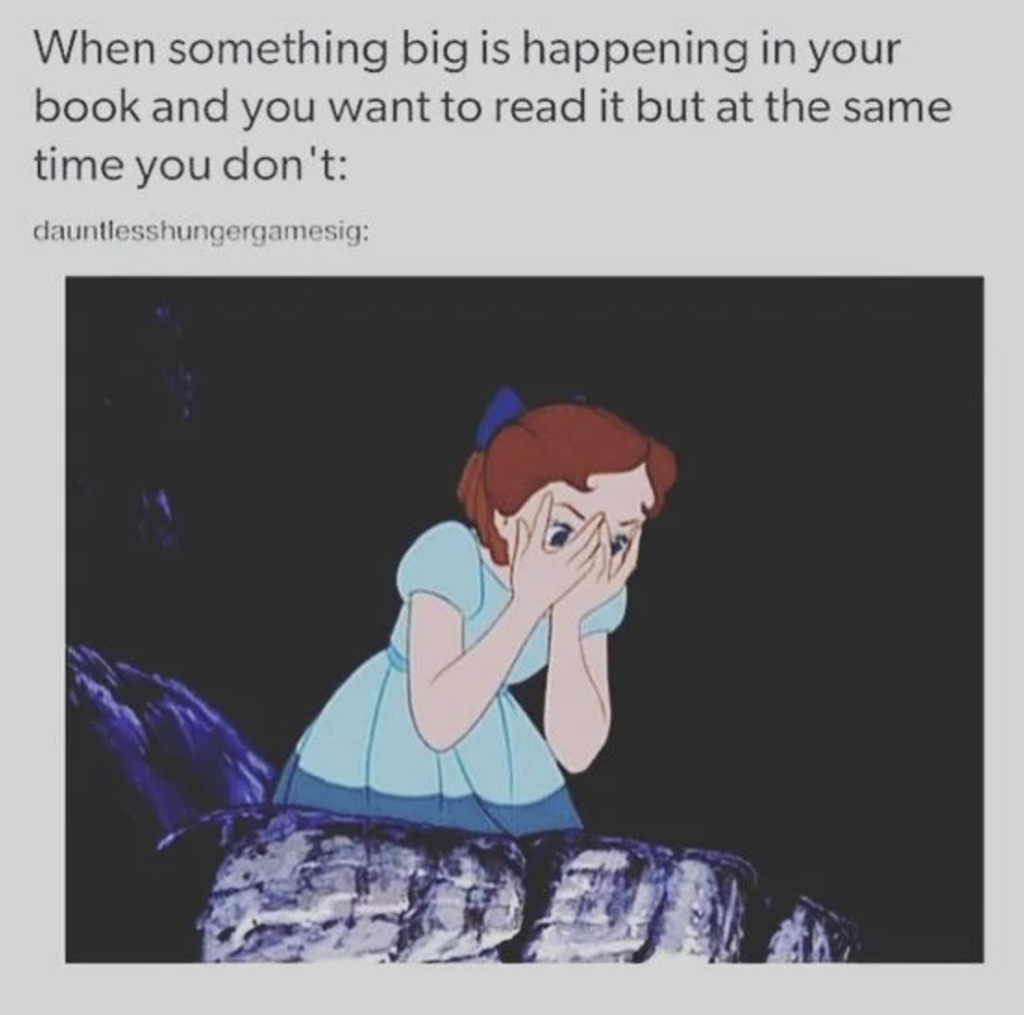
Book-specific memes introduce your world, characters, and plot to readers who don't know you yet. They take a bit more creativity, but they're the most powerful category for generating actual interest in your story.
The most effective formats:
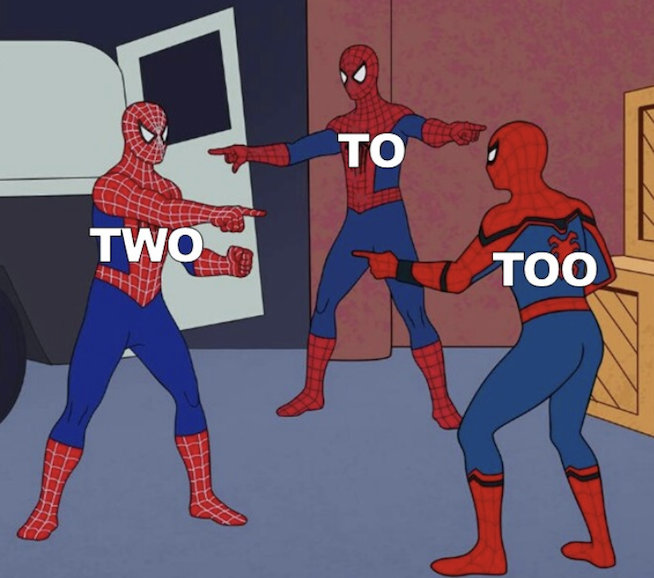
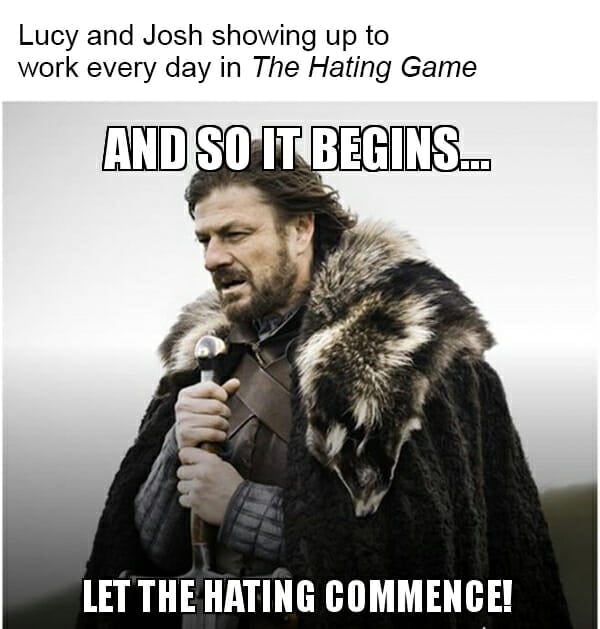
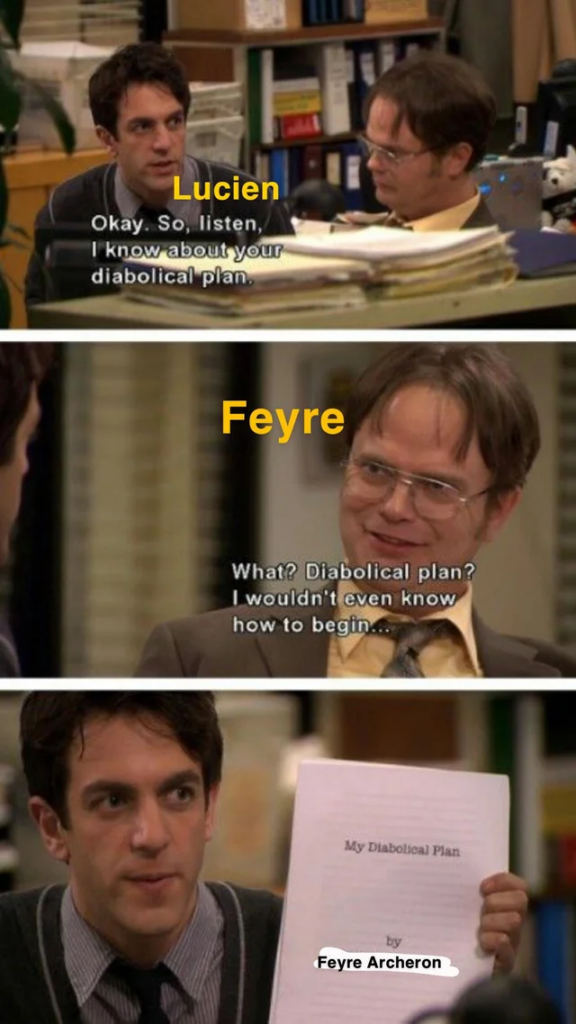
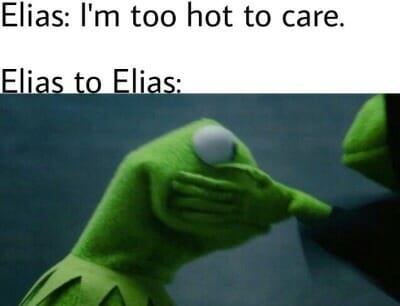
- Character dynamics: Use popular meme templates (distracted boyfriend, two buttons, Spider-Man pointing) and overlay your characters' names to show personality, conflict, or plot dynamics.
- Plot conflict: Memes that capture a tension or dilemma from your story without spoiling it create curiosity. The goal is to make readers think: I need to know what happens.
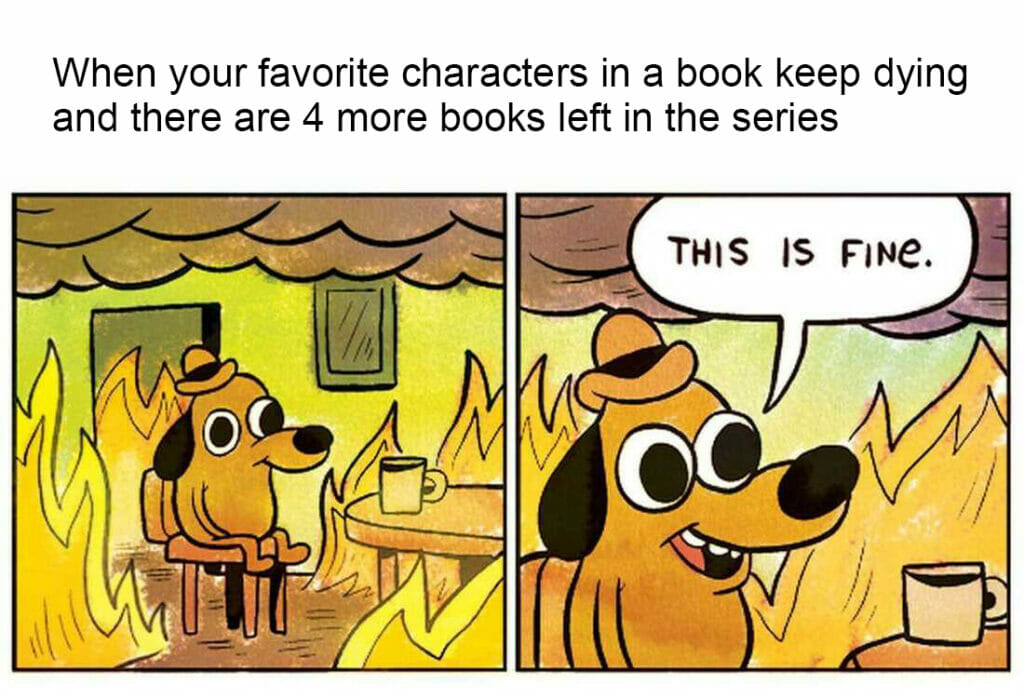
- Setting: The "this is fine" meme—cartoon character in a burning room—works for nearly any high-stakes environment. Adapt it to your world.
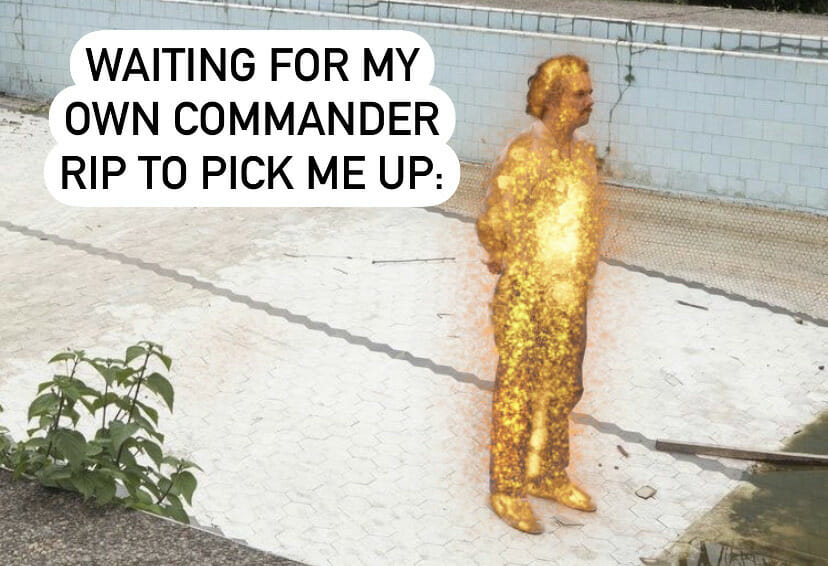
- Genre lore: If your story draws on mythology or well-known genre archetypes, resharing existing memes about that mythology (with your own caption) positions you inside the genre conversation.
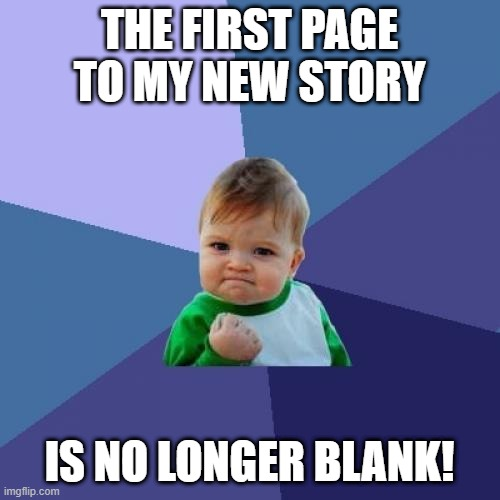
Pro tip: Make the caption do the work. Even a recycled meme format can become a powerful teaser if your caption clearly connects it to your story.
4. Memes About the Editing and Production Process
Readers love following the behind-the-scenes journey.
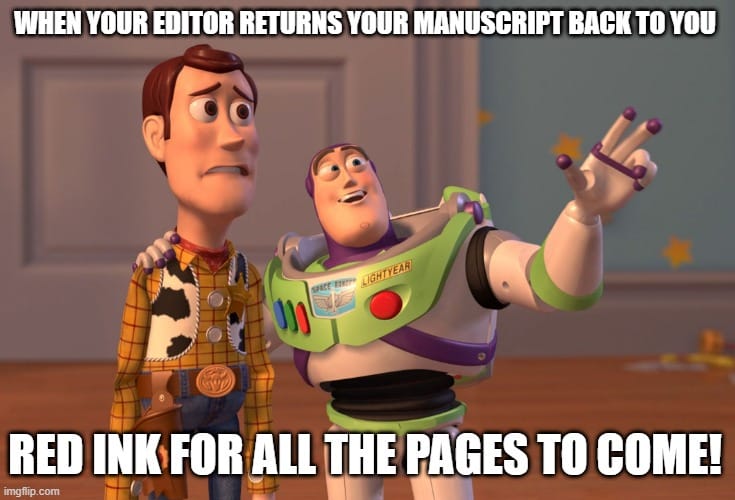
Most aspiring authors and reader-fans don't realize how much happens after the first draft is done. There's copy editing, formatting, cover design, getting your ISBN, setting up your Amazon listing, planning your launch...and that's before your book is in anyone's hands.
Sharing this process through memes does two things:
- It humanizes you as an author—readers see the real effort behind a published book
- It builds anticipation for your upcoming launch
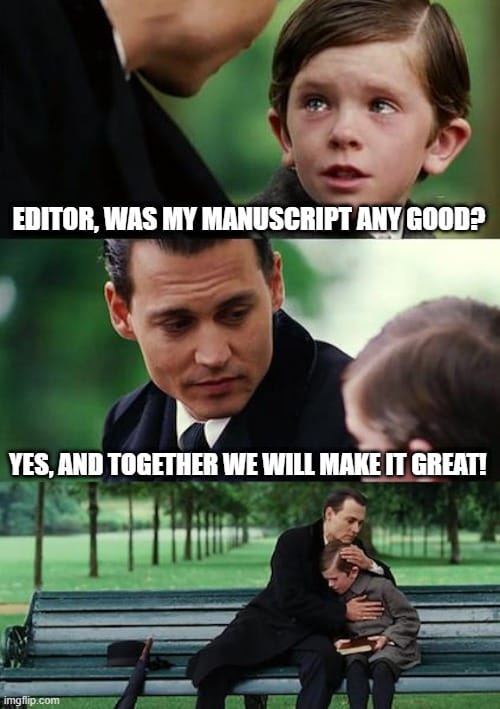
Meme formats that work well here:
- The emotional stages of reading your own book back for the 7th time
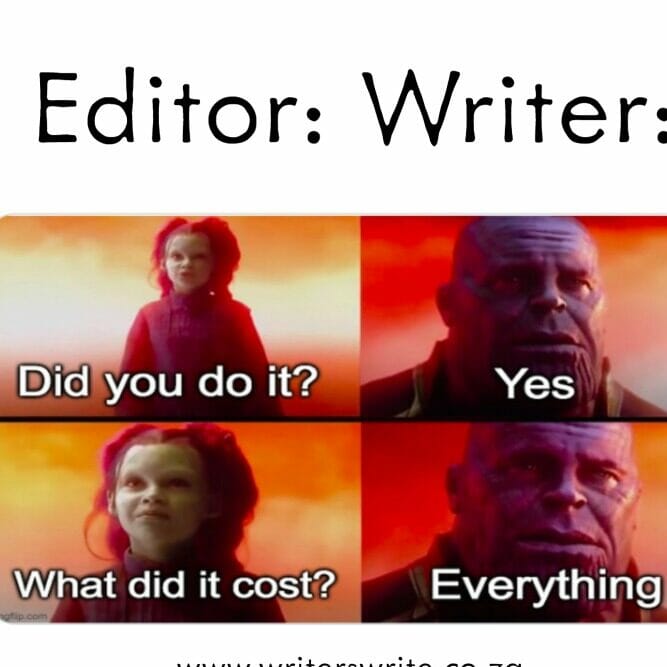
- Accepting editor feedback with a smile (internally: chaos)
- Sending your manuscript to a beta reader vs. waiting for their response
- Celebrating hitting "publish" after months of work
5. Memes About Self-Publishing
Your audience wants to root for independent creators. Let them.
Readers increasingly love supporting indie authors. When you share the reality of choosing to self-publish vs. go the traditional route, you invite them into a story they want to be part of.
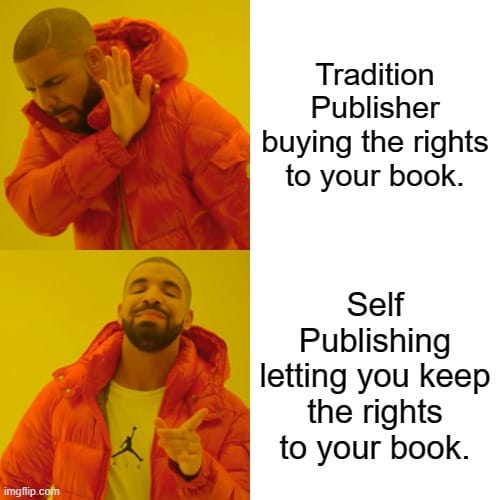
These memes work especially well on BookTok and Bookstagram, where audiences are primed to discover and champion indie voices.
Ideas to get started:
- Being your own marketing department, editor, publisher, and distributor simultaneously
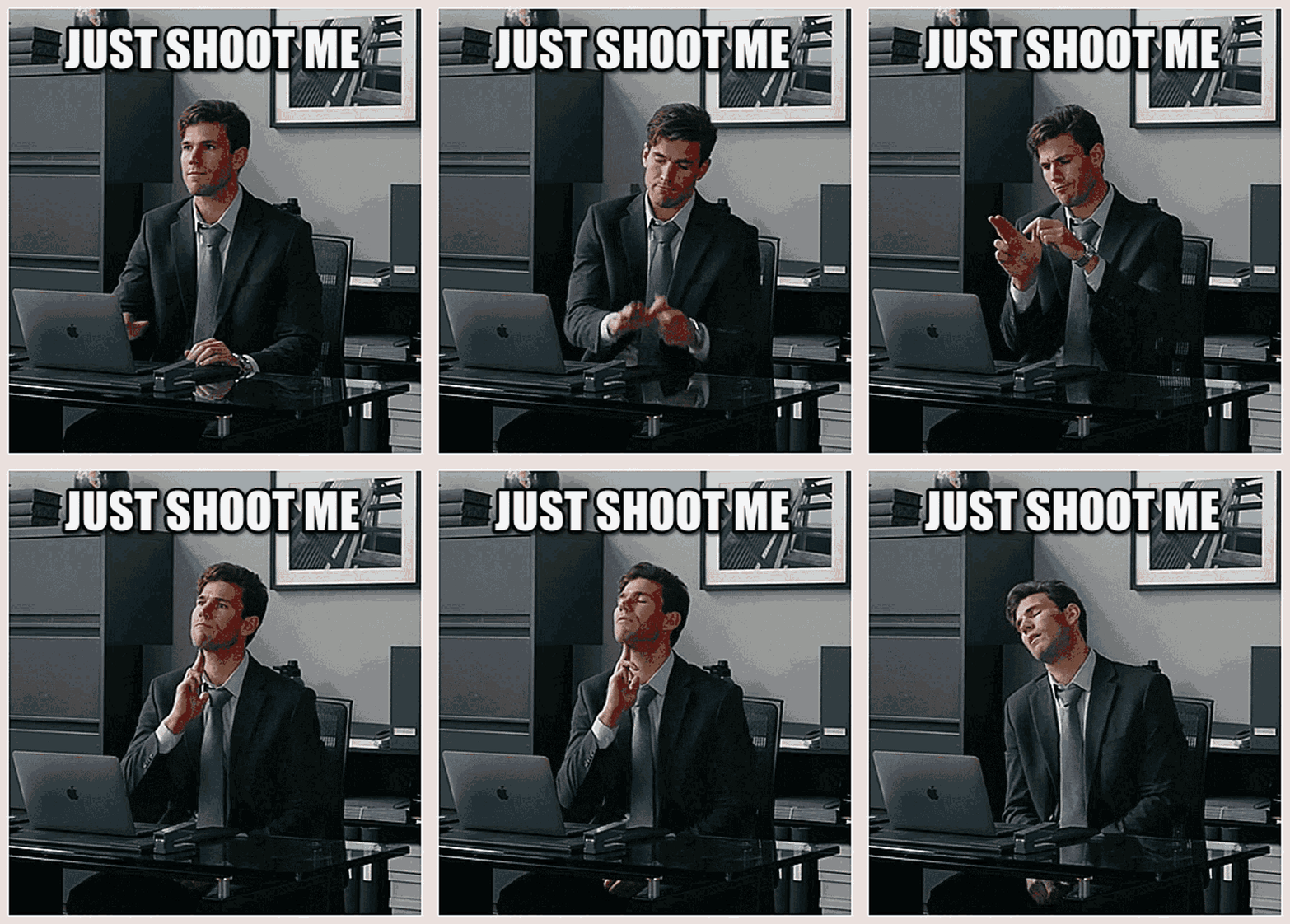
- Checking your sales dashboard obsessively after launch
- Explaining to family what self-publishing actually means
- The pride (and terror) of holding your published book for the first time
Real Examples: Book Memes You Can Replicate
The best funny book memes aren't built from scratch, they're adapted from already-viral formats. Here's how to approach each scenario:
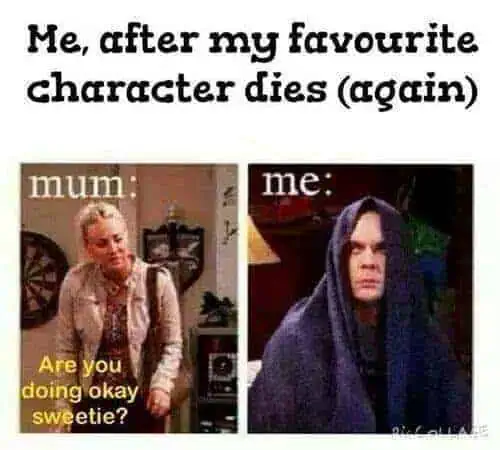
When Your Favorite Characters Keep Dying
This is universal reader grief. Use a meme that captures betrayal or devastation, not irony. Readers need to feel seen, not laughed at. Any "surprised/shocked" reaction format works here, or the classic "why would you do this" meme structure.
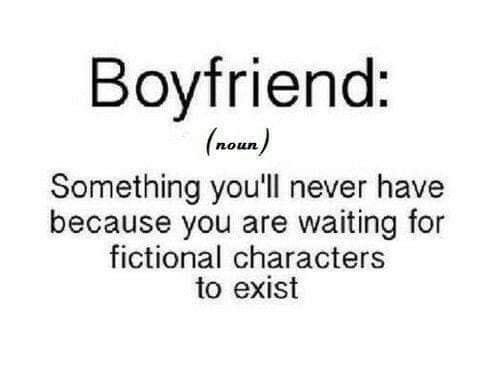
For Book Boyfriend Moments
The fictional love interest who will never disappoint you. This category performs especially well in romance, fantasy romance, and romantasy genres. Use relatable "real life vs. fiction" meme formats.
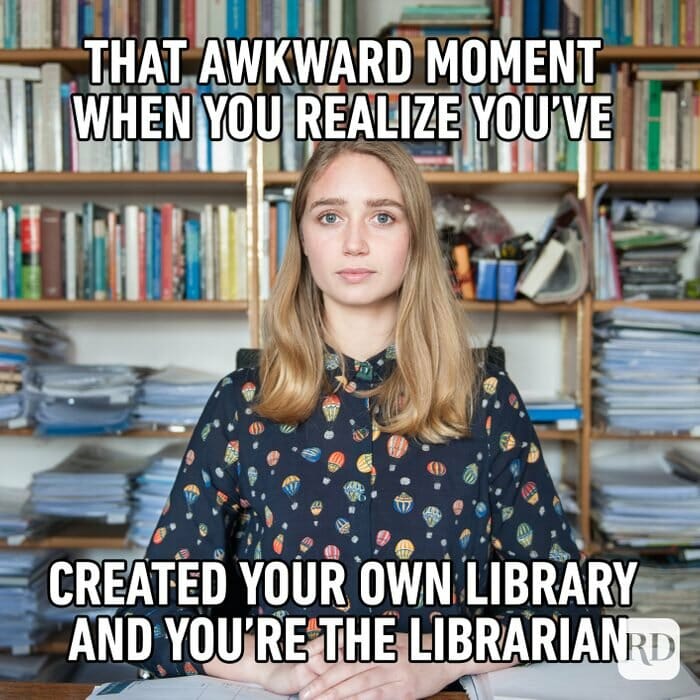
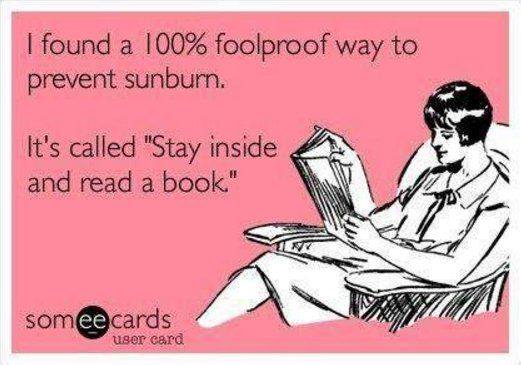
For the “You Read Too Much” Crowd
Lean into the pride of being an obsessive reader. The "I'm not like other girls" format or "my personality is books" framing resonates here. Bonus: it's taggable, which extends your reach.
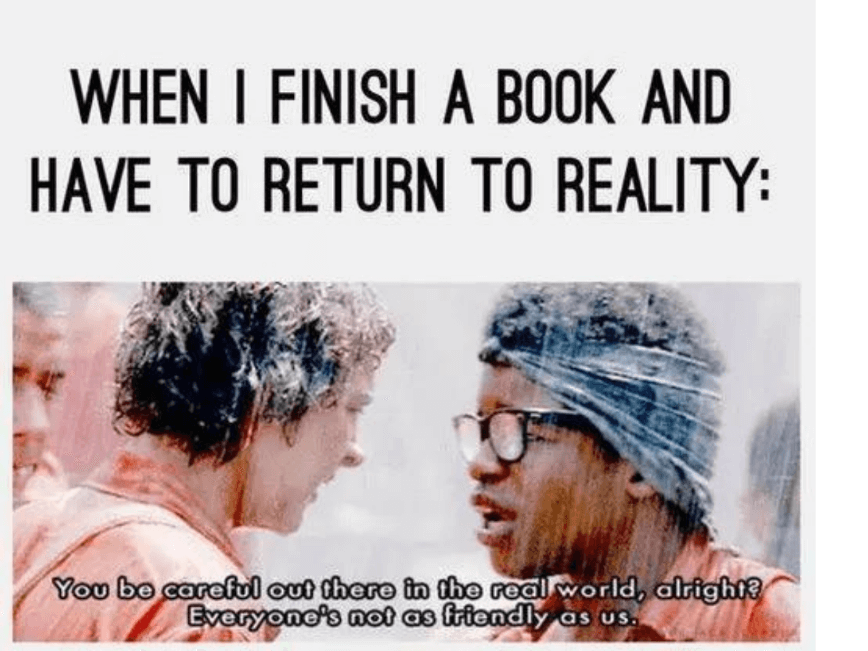
For Returning to Reality After a Great Book
Post-book depression is real. Memes that capture the disorientation of re-entering the real world after a 400-page fiction binge get enormous engagement from literary communities.
For Genre-Specific Readers
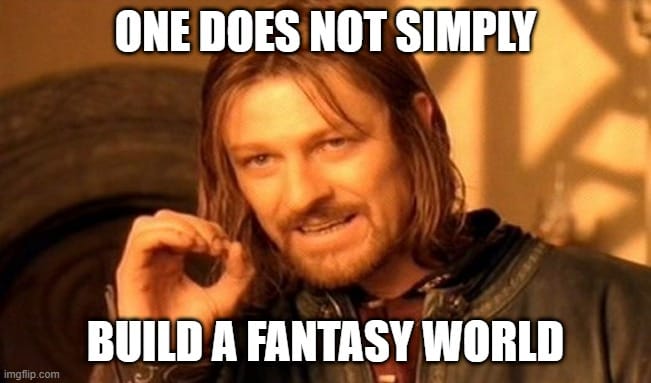
This is where you find your people. Memes targeting specific genres—fantasy, thriller, romance, sci-fi—don't just attract readers in general. They attract your readers. Genre-specific memes that reference common tropes, beloved archetypes, or recognizable plot conventions are community-builders. They signal: I write in your world.
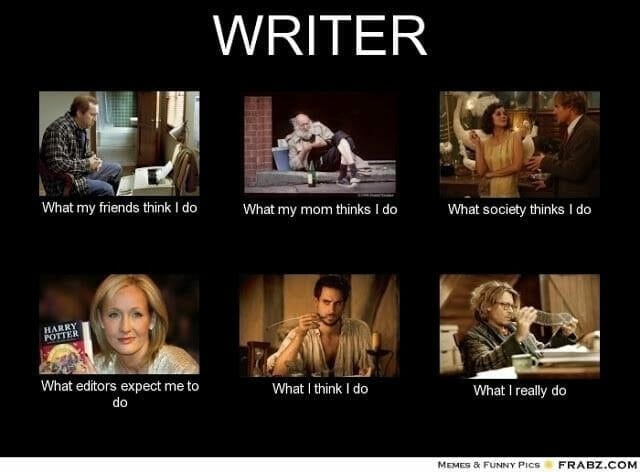
For the Writing Process
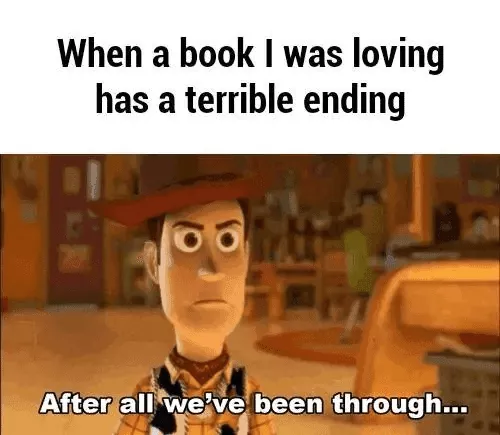
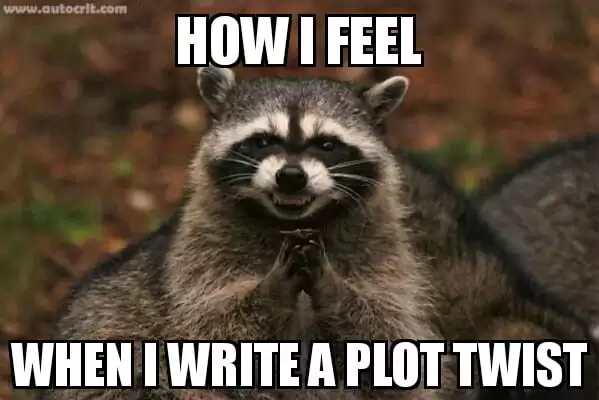
Expectations vs. reality. Plot twists you didn't plan. The first draft you'll never show anyone. These resonate deeply with other authors, a community that's also full of readers and connectors in your space.
For Book-Specific Memes
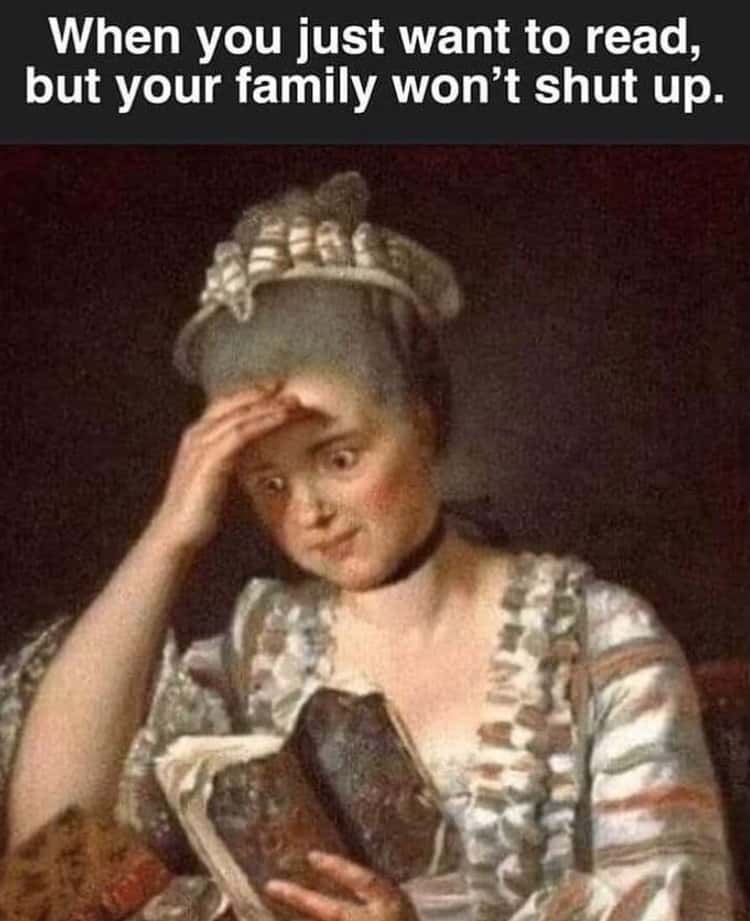
Successful authors use existing TV show or movie stills to evoke the tone and mood of their book. A still from a dramatic period drama can introduce a character dynamic. A comedy reaction shot can show what your protagonist's internal monologue sounds like. The key: make the caption explicitly tie it back to your story, characters, or world.
Fan-created memes about your book are gold. When they appear, share them and tag the creator. It signals that your readers are invested enough to create content, which is the kind of social proof book marketing services can't buy.
How to Promote Your Book Beyond Memes
Memes are a top-of-funnel engagement tool. They attract attention and build community, but converting that community into actual readers requires a full marketing strategy.
If you want to sell more books, pairing memes with a coordinated approach that includes paid ads, launch strategy, and platform growth is what creates sustainable results. The authors at selfpublishing.com who grow the fastest treat memes as one piece of a larger content calendar—not the whole strategy.
If your book isn't selling the way you expected, the problem is almost never the memes. Take our free quiz to find out exactly why your book isn't selling and what to fix first.
FAQ: Funny Book Memes for Authors
What are the best platforms for sharing book memes?
BookTok (TikTok), Instagram Reels, and Instagram Stories are the highest-engagement platforms for book meme content. Facebook groups in your genre community and Pinterest boards also drive strong long-term traffic. X (formerly Twitter) remains strong for writing-life humor.
Do book memes actually help sell books?
Directly, rarely. Indirectly, consistently. Memes grow your following, increase engagement, and put your name in front of new readers—all of which support book sales over time. They're awareness tools, not conversion tools.
How often should authors post book memes?
2–3 meme-style posts per week is a sustainable cadence for most authors. Mix them with other content: author updates, book excerpts, writing tips, and direct promotional posts.
Can I use existing meme images?
Yes—most meme templates are considered part of internet culture and are freely used. For safety, rely on meme templates that don't contain recognizable branded or licensed content.
How do I make a meme for my specific book?
Start with a popular meme template (search Google Images or use Canva — see our Canva review for setup). Layer your character names or dialogue over the existing image. Write a caption that ties it to your story. Done.
What’s the fastest way to create and schedule memes in bulk?
Use a content calendar tool to batch-create and schedule 2–4 weeks of meme content at once. Pick a theme, pull 10–15 meme formats you like, adapt them to your world in one sitting, and schedule them out. This is the most time-efficient approach for busy authors.
Ready to write, publish, and market your book with real support? selfpublishing.com has helped 250,000+ authors in 91 countries go from blank page to published bestseller. See how our programs work →