














TL;DR: A character bio template is a structured document with questions covering your character's appearance, personality, history, relationships, and motivations. It helps writers create believable, consistent characters that readers connect with emotionally. Every main character (protagonist and antagonist) deserves a completed bio before you start writing. The 200 questions below are organized into 10 categories so you can build fully developed characters from the ground up.
Why Most Characters Fall Flat (And How a Template Fixes It)
Readers don't abandon books because the plot is slow. They abandon books because they stop caring about the characters.
The most common reason characters feel flat? The writer knows the story but doesn't truly know the person living it. A character bio template solves this by forcing you to answer the questions readers are silently asking: Why does she act this way? What shaped him? What does she want more than anything?
When you can answer those questions before you write Chapter 1, your characters stop feeling constructed and start feeling real.
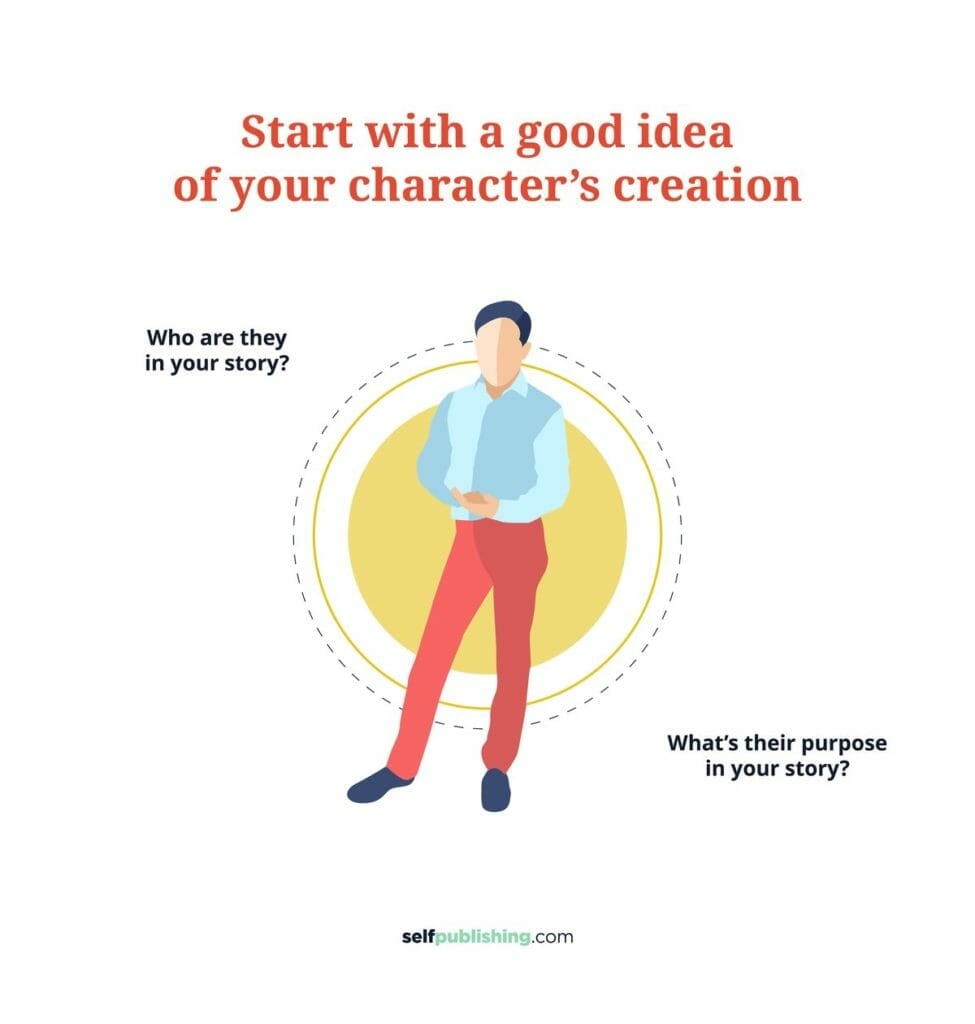
This template gives you 200 questions across 10 categories to build characters so fully developed they surprise even you as you write them.
If you're still figuring out your story's structure, start with a book outline first, then come back to fill out this character template.
Get The Free Character Sheet!
Unlock Your Character's Full Potential with Our Free Character Sheet.
What Is a Character Bio?
A character bio is a detailed reference document that captures everything a writer needs to know about a character—from physical appearance to core beliefs to personal history.
It functions as your private guide throughout the writing process. Readers never see it directly, but they feel it on every page...in the consistency of behavior, the texture of dialogue, and the authenticity of how a character responds to conflict.
Character bios are used by:
- Fiction writers—to develop protagonists, antagonists, and key supporting characters
- Memoirists and biographers—to ensure real people come alive on the page beyond bare facts
- Screenwriters—to build characters with clear voice and consistent motivation across scenes
- Nonfiction writers—if you use case studies or composite examples, your "characters" need the same depth
Writing a memoir or life story? You still need this template. Even real people require intentional development on the page. Pair this with our autobiography template for the best results.
Why Character Development Is the Most Important Work You’ll Do
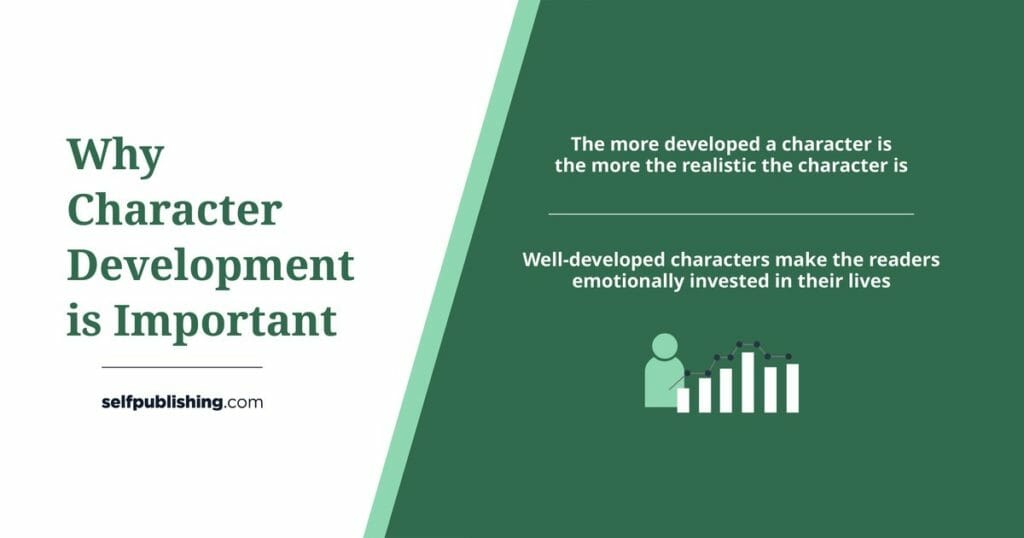
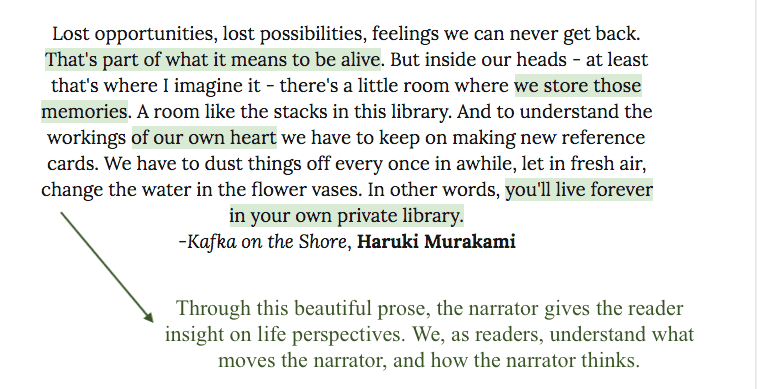
Character development is important because readers only invest in characters they believe are real. Plot events create tension, but it's character that makes tension matter.
Think of a book you couldn't put down. Chances are, you weren't just invested in what would happen next. You were invested in who it would happen to. You cared about the person.
That level of investment doesn't happen by accident. It's the result of an author who did the work to fully understand their characters—their fears, their contradictions, their desires—and wove that understanding into every scene.
The writers who skip character development are the same ones who get beta reader feedback saying: "The plot is interesting, but I didn't care about the characters."
Don't be that writer.
The 8-Step Character Development Process
Use this sequence before filling out the template:
- Sketch your character's arc. Where do they start, where do they end?
- Define their core goal and their core flaw
- Identify what they want versus what they actually need
- Map the key events in their backstory that shaped their worldview
- Determine how they speak (word choice, rhythm, what they avoid saying)
- Fill out this character bio template completely
- Write 1–2 scenes from your character's POV that won't appear in the book (just to hear their voice)
- Begin your draft with the template open beside you
If you’ve experienced that, then you were emotionally invested in the characters and their lives. You connected with them, you felt like you truly knew them. And that’s because the writer did such a phenomenal job developing the character, that they seemed real to you as the reader.
Why You Should Use a Character Bio Template
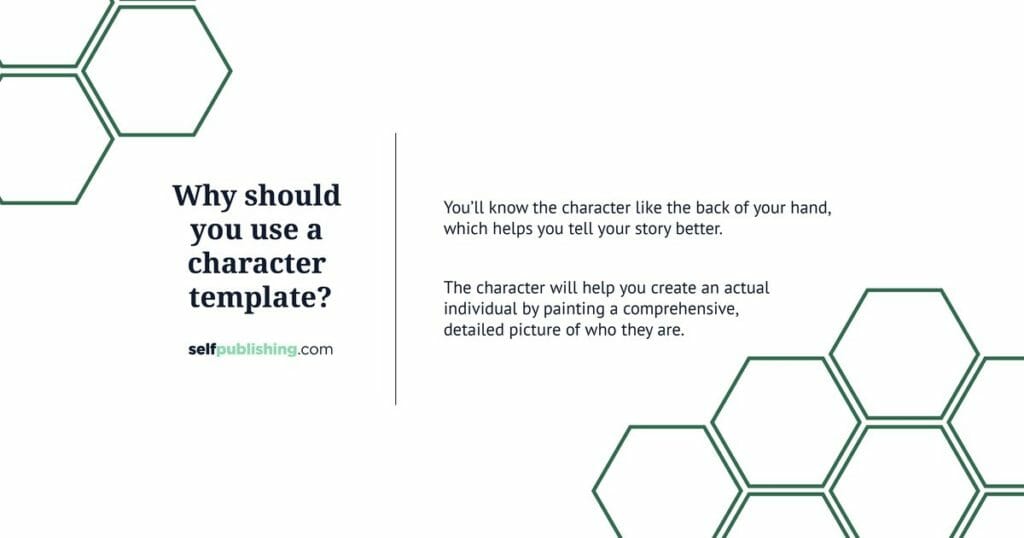
A character bio template helps you create consistent, believable characters by forcing you to answer questions you'd otherwise leave vague.
Two things happen when writers skip the template:
First, they write characters inconsistently. The vegetarian who orders a hamburger. The introvert who gives a crowd-rousing speech for no reason. The fearless protagonist who is suddenly paralyzed by something that should feel minor. Readers notice, and they lose trust.
Second, they discover their character mid-draft and have to rewrite entire sections. A completed character bio eliminates this problem before the draft begins.
What a Character Bio Template Does for Your Writing:
- Prevents plot inconsistencies and continuity errors
- Gives you a reference when you're stuck on how a character would react
- Deepens your writing by grounding every choice in character logic
- Helps you write more compelling literary elements like motivation, conflict, and theme
- Makes dialogue feel natural because you know exactly how this person speaks
What to Include in a Character Profile
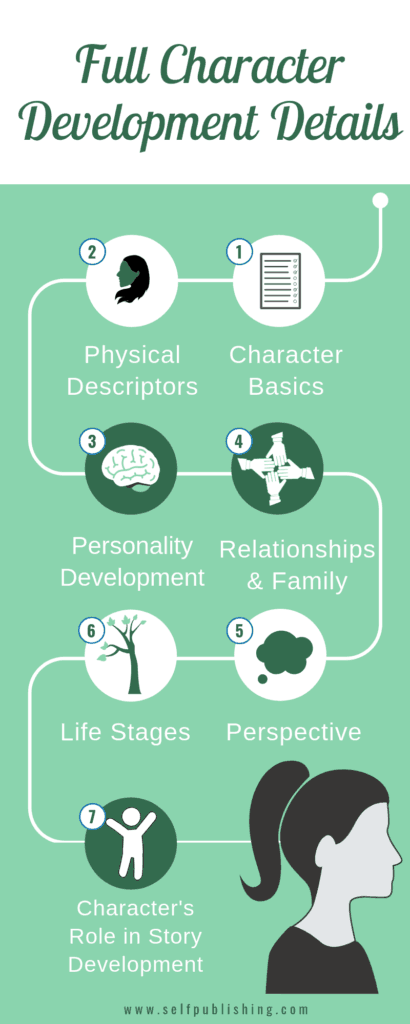
A character profile should include physical description, personality traits, backstory, relationships, motivations, fears, and the character's role in the story.
The depth of your profile depends on the character's importance. A protagonist needs a full 200-question bio. A one-scene supporting character needs a few key details.
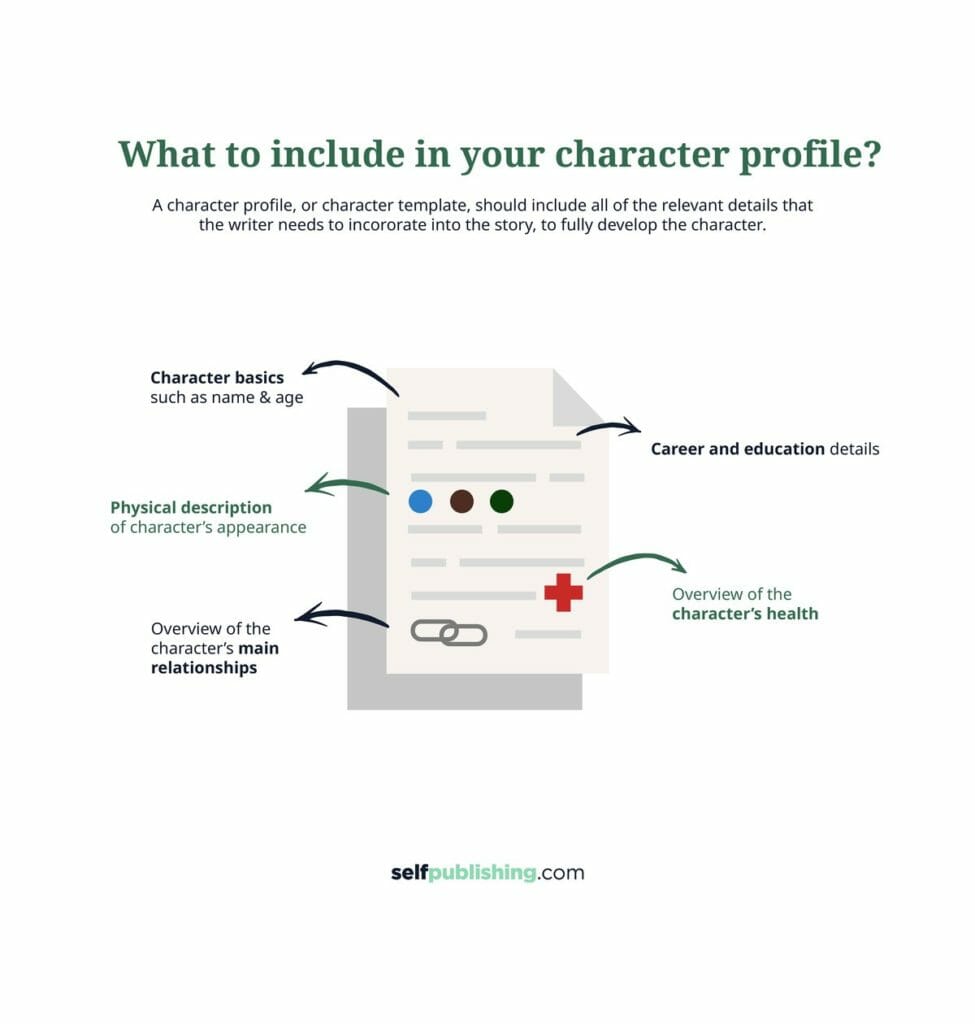
At minimum, every main character profile should cover:
- Basic identity (name, age, background)
- Physical appearance
- Personality and MBTI type
- Health and mental state
- Career and education
- Preferences and lifestyle
- Family and relationships
- Life history and formative events
- Beliefs, values, and worldview
- Story role and character arc

How to Use This Character Bio Template
Complete the character bio after your story outline is done, but before you start writing your first draft.
This is the most important timing rule. If you write the bio before your outline, you'll create details that don't fit the story. If you write it after your draft, you'll have already locked in inconsistencies.
The sweet spot: outline first, then bio, then draft.
Work through the template for every main character—protagonist and antagonist. Understanding how your protagonist and antagonist relate to each other is one of the most powerful tools you have as a writer.
Key Rules for Using This Template:
- Don't skip questions. If a question doesn't apply (e.g., past relationships for a child character), skip it. But don't skip questions just because they're hard to answer. Those are usually the most important ones
- Keep it private. This is a writer's tool, not reader content. Never share the full template with readers
- Only use what serves the story. You know your character is allergic to shellfish. That detail lives in the bio. It only appears in the book if it matters to the plot
- Add genre-specific questions. Writing hard science fiction? Add questions about species, abilities, and technology. Writing dark romance? Add questions about trauma history and attachment style
Click here to jump to the Character Template!
200 Character Bio Template Questions
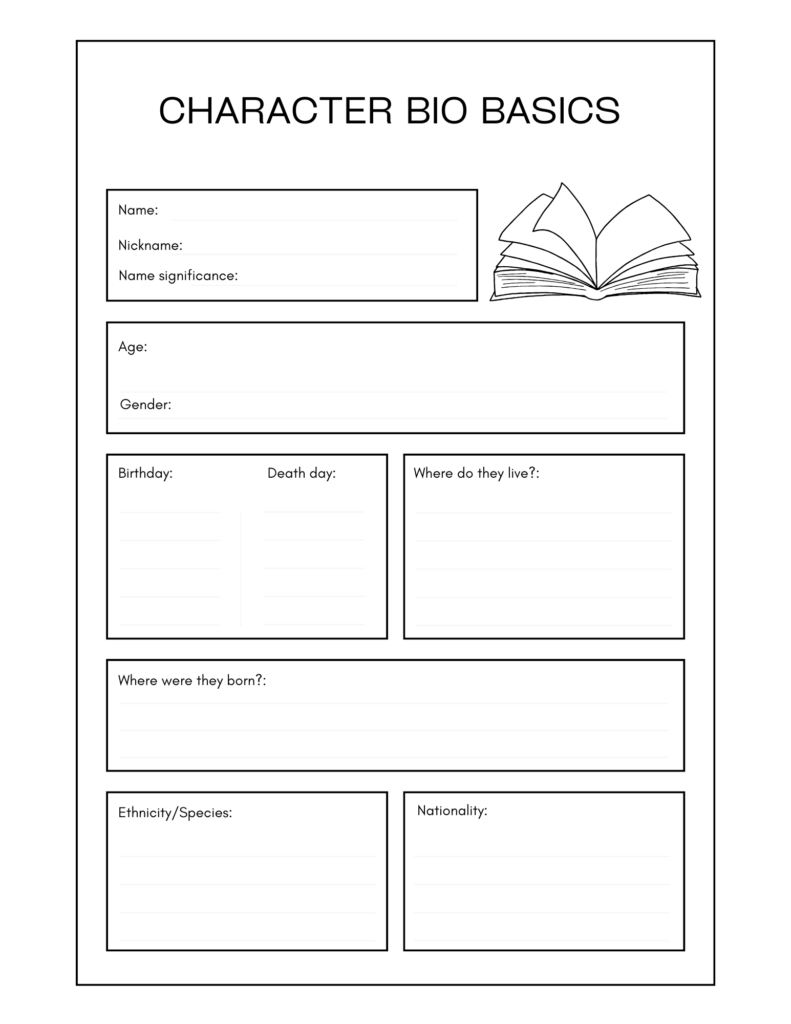
Section 1: Character Basics
These surface-level facts establish who your character is at the most fundamental level. Most writers already know these, but writing them down makes them real.
- What is your character's full name?
- Do they have any nicknames? Who uses them?
- What is the significance of their name?
- What is their gender identity?
- How old are they at the start of the story?
- When is their birthday?
- Where were they born?
- Where do they currently live?
- What is their ethnicity?
- What is their nationality?
- What is their race or species (for fantasy/sci-fi)?
- What is their zodiac sign?
- Do they have a death day? (if applicable)
Click here to jump to the Character Template!
Section 2: Physical Appearance
Physical details help you write vivid, consistent descriptions. They also reveal character—posture communicates confidence, clothing reflects self-image, scars tell history.
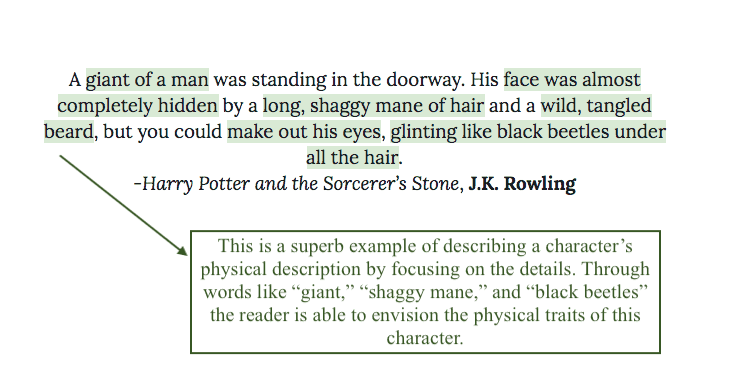
- How would you describe their overall appearance in one sentence?
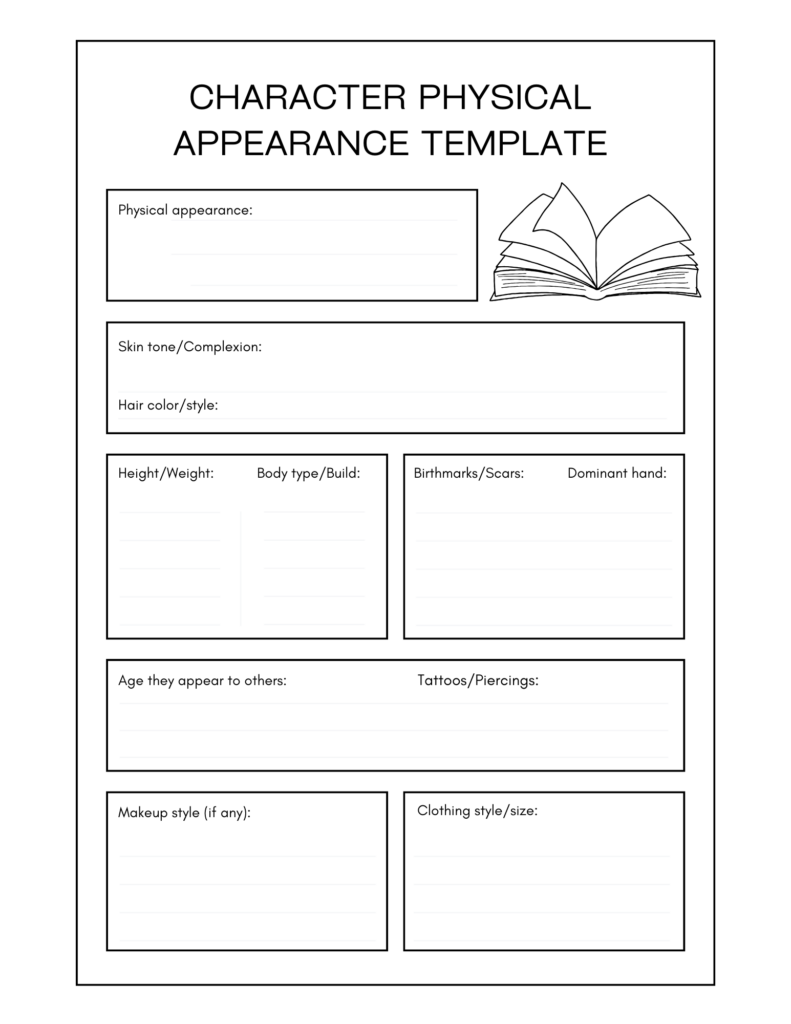
- What is their skin tone and complexion?
- What is their natural hair color and texture?
- What is their usual hairstyle?
- Do they dye their hair? What color, and why?
- What is their height and weight?
- What is their body type and build?
- How is their posture? What does it communicate?
- Do they have any birthmarks?
- Do they have any scars? How did they get them?
- Do they have any tattoos? What do they mean?
- Do they have any piercings?
- Which is their dominant hand?
- What age do they appear to others (vs. their actual age)?
- What is their clothing style?
- What is their clothing size?
- What is their shoe style and size?
- Do they wear makeup? What's their style?
- How are their nails kept?
- How are their eyebrows shaped?
- What does their face shape look like?
- Do they have facial hair?
- What does their voice sound like?
- What physical feature do people notice first?
- Do they have any distinctive mannerisms in how they move or hold themselves?
- What do their eyes look like? Color, shape, expression?
- Are they generally considered attractive by others in their world? Do they think so themselves?
- How do they feel about their appearance?
- Has their appearance changed significantly from their past?
Section 3: Personality
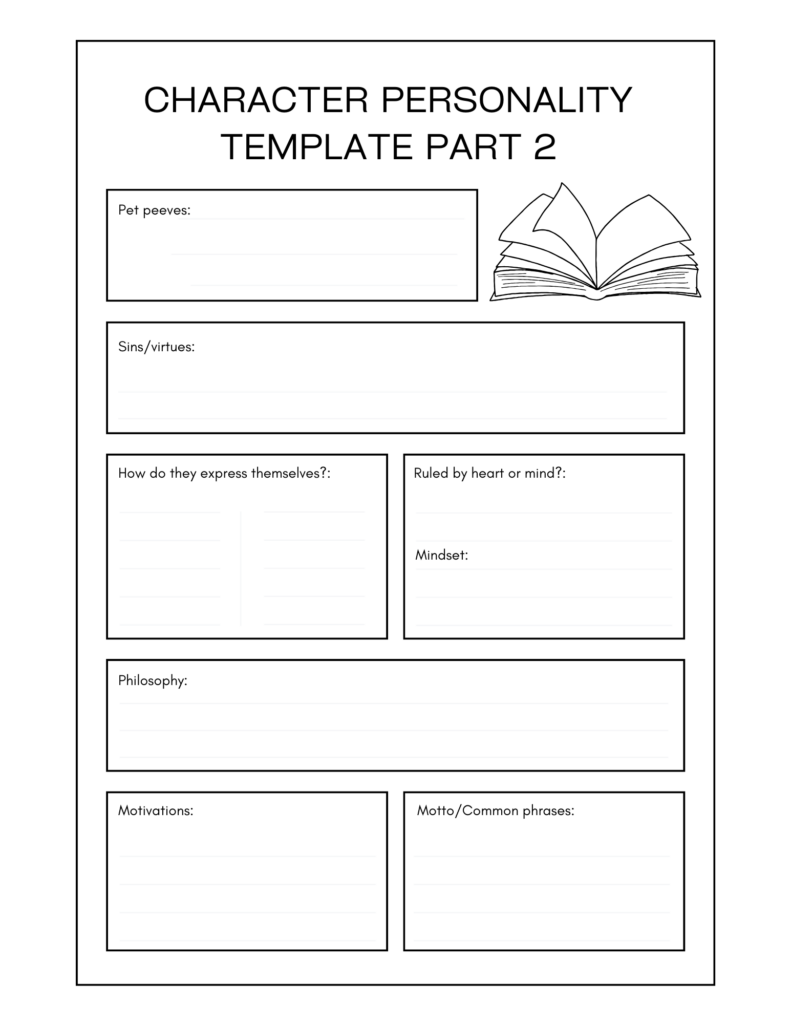
Personality is where character becomes story. These questions move beneath the surface to reveal how your character thinks, feels, and operates. Strong answers here will shape every piece of dialogue they speak and every decision they make.
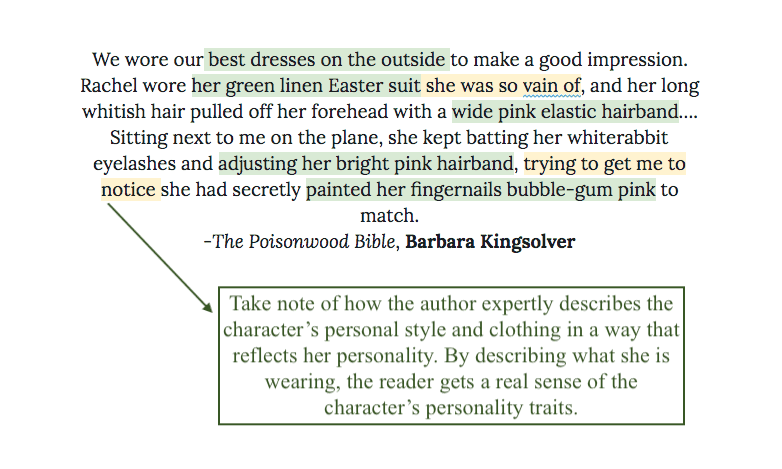
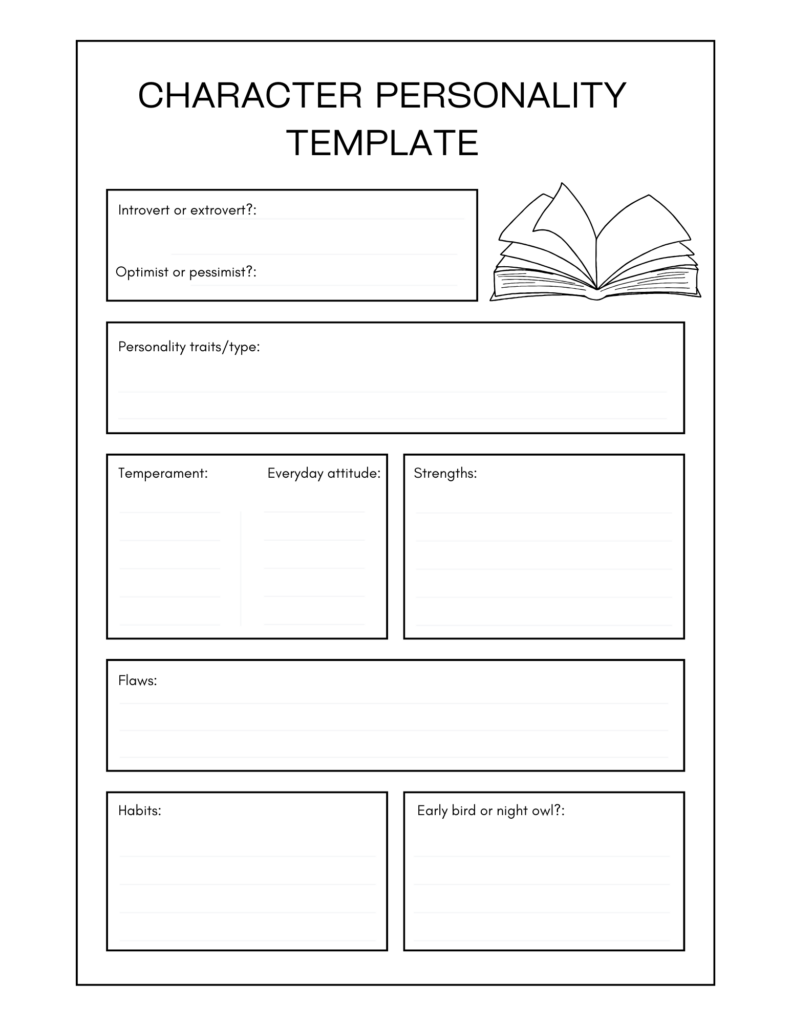
- Are they an introvert or extrovert?
- List their top 5 positive personality traits.
- List their top 5 negative personality traits or flaws.
- What is their MBTI personality type?
- Are they an optimist or pessimist?
- What is their default mood?
- How do they handle conflict—fight, flee, freeze, or fawn?
- What is their temperament—hot-headed or controlled?
- What are their most notable habits?
- What are their most notable mannerisms?
- Do they have any pet peeves?
- Are they an early bird or a night owl?
- Which of the 7 deadly sins do they most represent?
- Which virtue do they most embody?
- What are they most afraid of?
- What are they most proud of?
- Are they ruled by logic or emotion?
- How expressive are they? Do they show their feelings or hide them?
- What words or phrases do they use often?
- What is their life motto (stated or unstated)?
- What do they lie about most often?
- What would they never do, no matter what?
- What do they secretly believe about themselves?
- What do others misunderstand about them?
Section 4: Health & Mental State
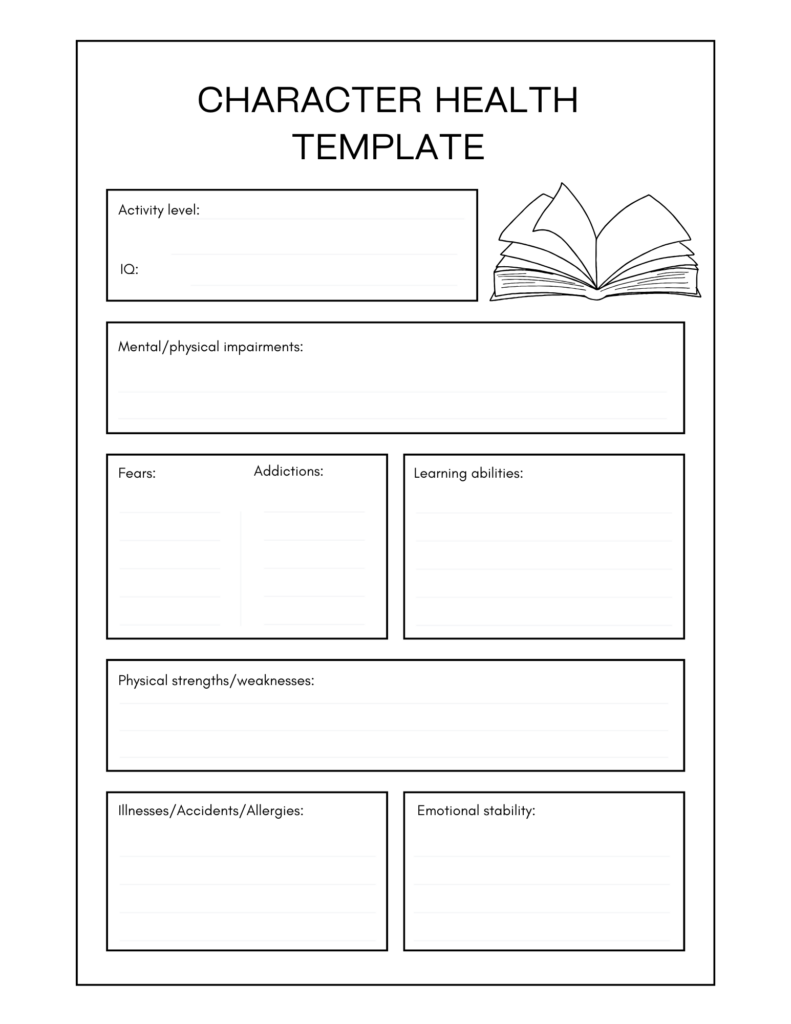
This section covers physical and psychological health, including fears, mental resilience, and any conditions that shape the character's experience of the world.
- How active or sedentary is your character generally?
- How is their memory? Do they have sharp recall or a tendency to forget?
- Do they have any physical impairments or disabilities?
- What are they most afraid of?
- Do they have any addictions or compulsive behaviors?
- Are they a fast learner or slow to adapt?
- What are their mental strengths?
- What are their mental weaknesses or vulnerabilities?
- What are their physical strengths?
- What are their physical limitations?
- Do they have any chronic illnesses or significant past health issues?
- Have they had any surgeries?
- Have they experienced any major accidents or injuries?
- Are they emotionally stable, or prone to volatility?
- Do they have any allergies?
- Have they ever experienced trauma? How has it shaped them?
- Do they have any diagnosed or undiagnosed mental health conditions?
- How do they cope under extreme stress?
- Do they sleep well? What keeps them up at night?
Section 5: Career & Education
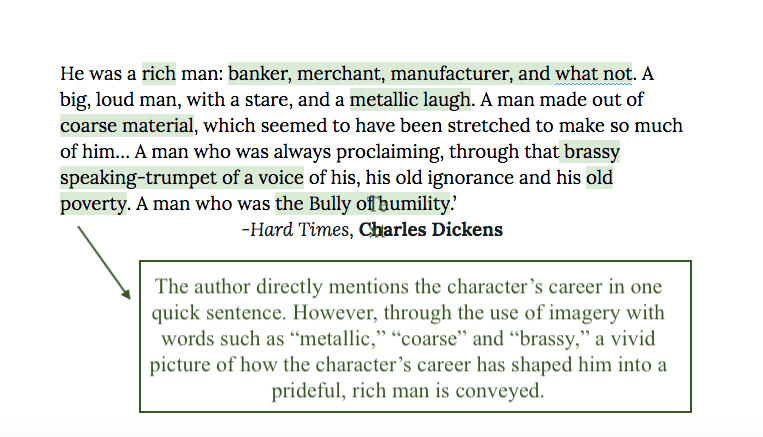
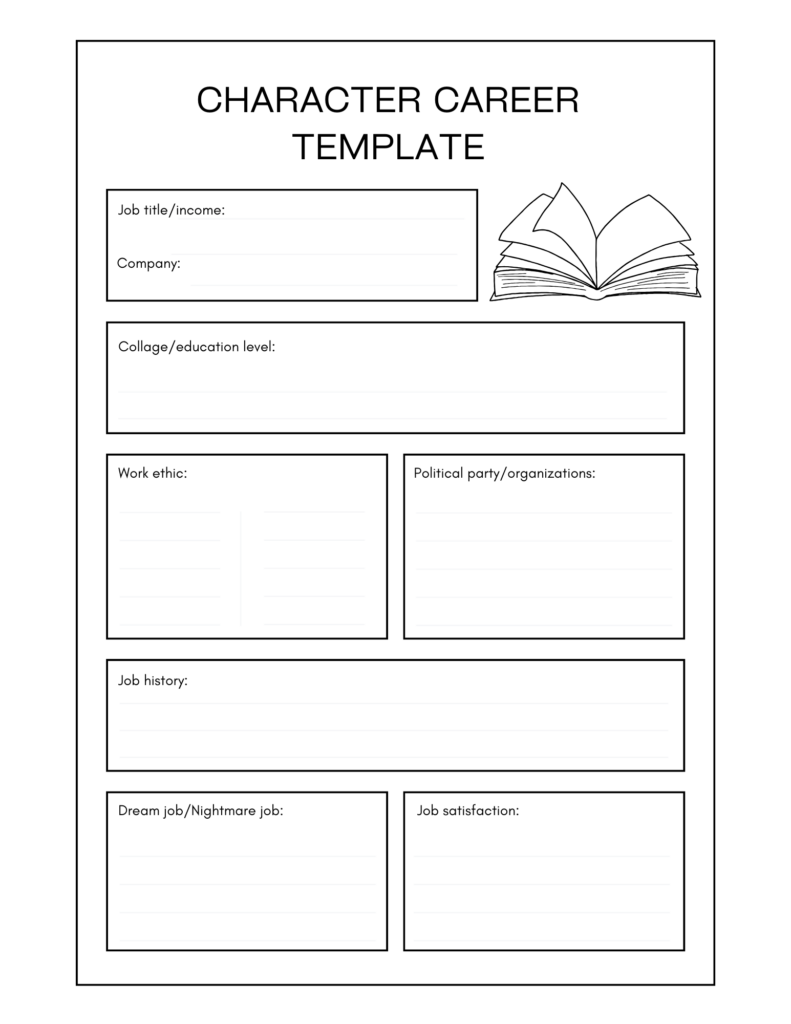
What someone does for a living—and the gap between what they do and what they dream of—says everything about who they are.
- What is their current job title?
- What company or organization do they work for?
- What field or industry are they in?
- What is their highest level of education?
- Did they attend college? What did they study? Did they finish?
- How is their work ethic—diligent, inconsistent, burnt out?
- What is their employment history?
- What is their approximate income? Does it match their lifestyle?
- Do they belong to any political or professional organizations?
- Do they do any volunteer work?
- What is their dream job?
- What job would they be terrible at?
- How satisfied are they with their career?
- Do others respect their work? Do they respect it themselves?
- What professional achievement are they most proud of?
- What professional failure still haunts them?
Section 6: Preferences & Lifestyle
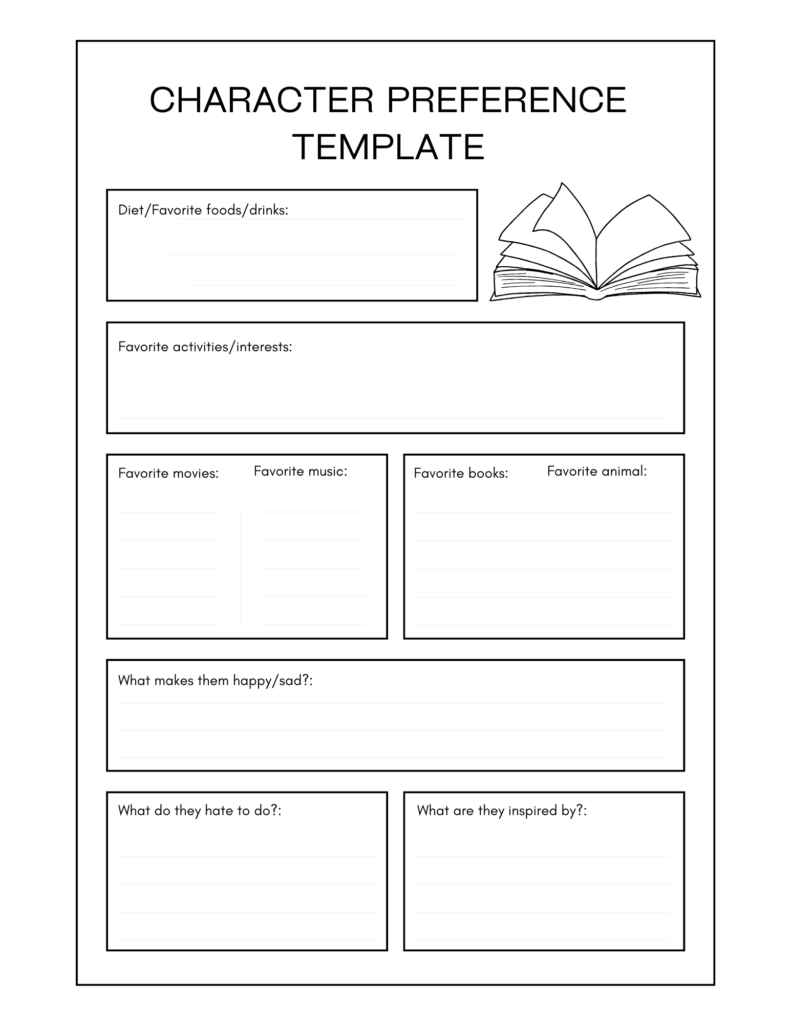
The small details of daily life, what a character eats, reads, listens to, and avoids, are the texture that makes them feel fully inhabited.
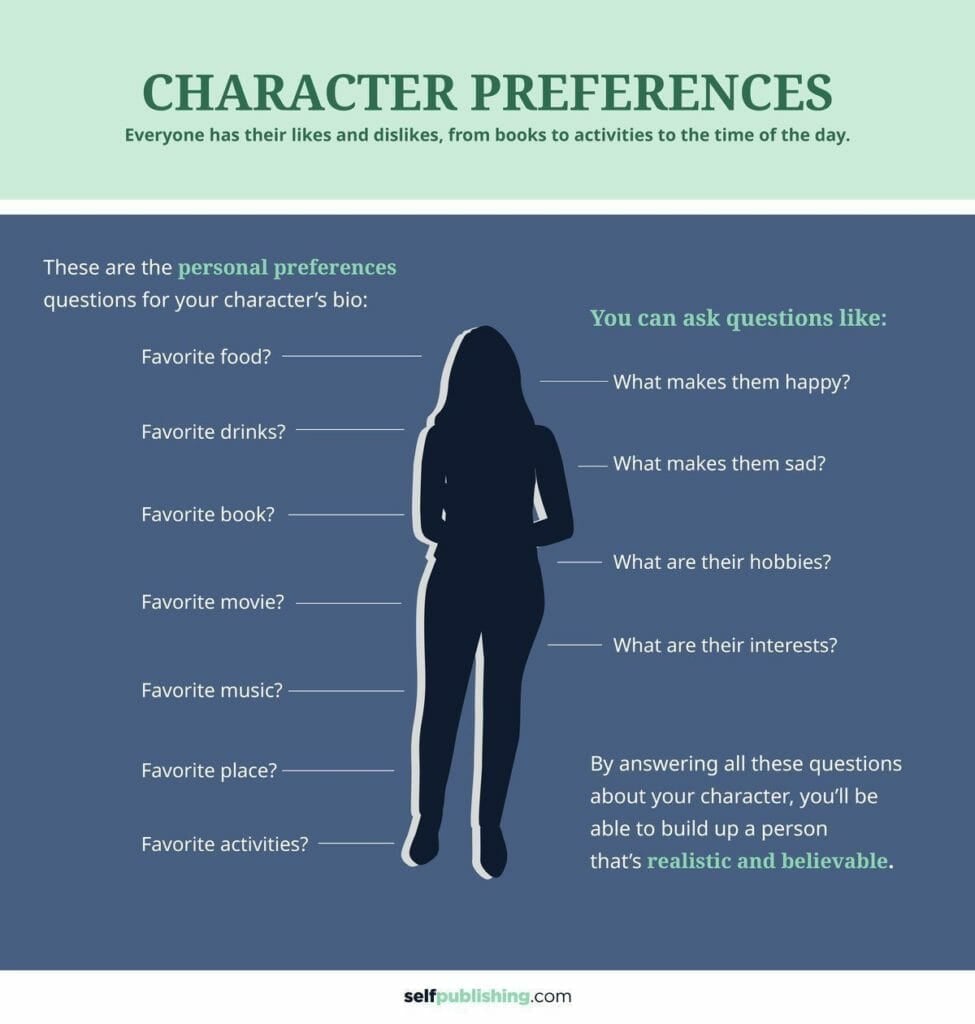
- What is their favorite food? Least favorite?
- Are they a good cook? Do they enjoy cooking?
- What is their favorite drink?
- Do they drink alcohol? How much?
- Do they smoke or use any substances?
- What music do they listen to?
- What is their favorite genre of book or film?
- What do they do in their free time?
- What hobbies have they given up, and why?
- Do they exercise? What kind?
- What is their living space like—clean, chaotic, minimalist?
- Do they have any pets?
- What is their relationship with technology?
- What is their relationship with money—spender, saver, anxious?
- Do they have any guilty pleasures?
- What do they collect or accumulate?
- What do they never leave home without?
- What place feels most like home to them?
- What environment helps them think best?
- Are they a morning person or night person?
- What would their ideal day look like?
Section 7: Family & Upbringing
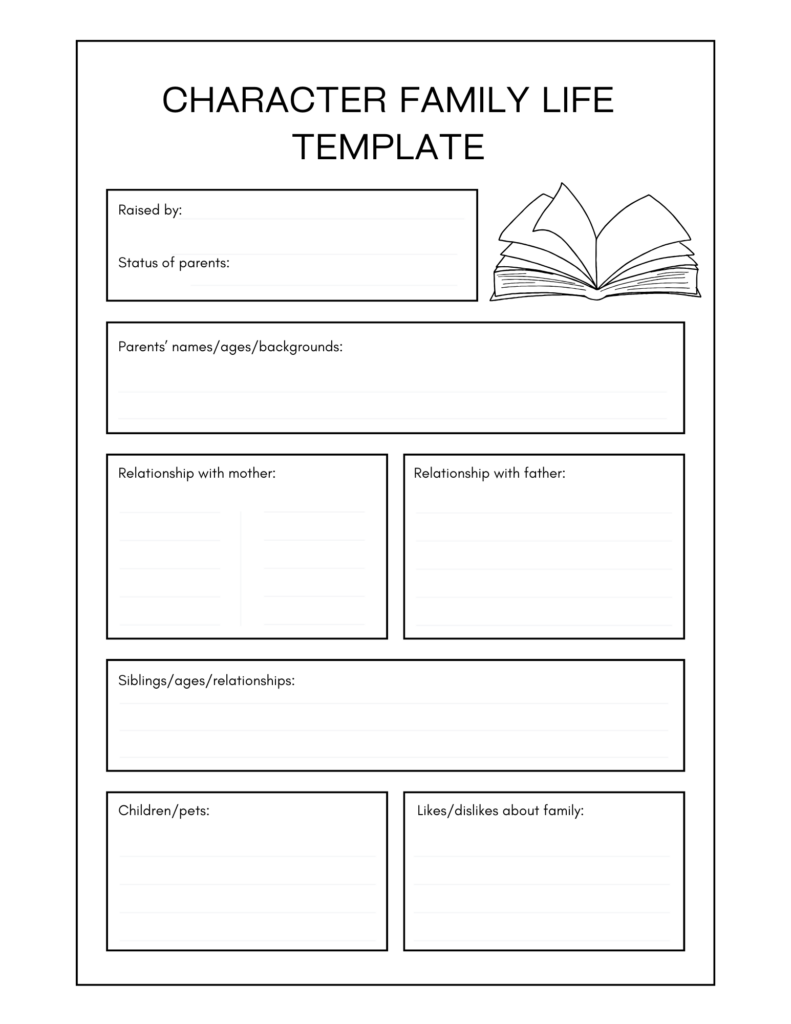
A character's family is their first story. Their childhood shapes their wounds, their defaults, and their deepest beliefs about themselves and the world.
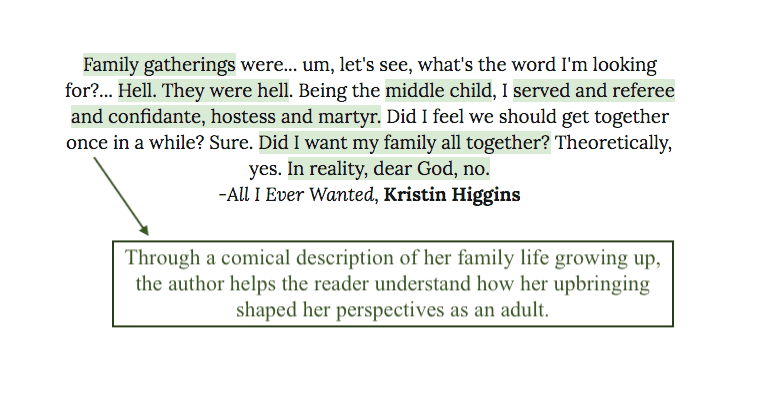
- What is the character's family structure growing up?
- Who raised them?
- Were their parents present and engaged?
- How was their relationship with their mother?
- How was their relationship with their father?
- Do they have siblings? What is the dynamic?
- Were they the oldest, middle, youngest, or only child?
- What was their childhood home like?
- Were they raised with any particular religion or belief system?
- What is their relationship with their family now?
- Who in their family do they most admire?
- Who in their family caused them the most pain?
- What is their greatest unresolved family wound?
- Did they feel loved growing up? Seen?
- What did their family expect of them? Did they meet those expectations?
- Did they have a happy childhood? What memories stand out?
- What is one thing they swore they'd never repeat from their upbringing (and have they kept that promise)?
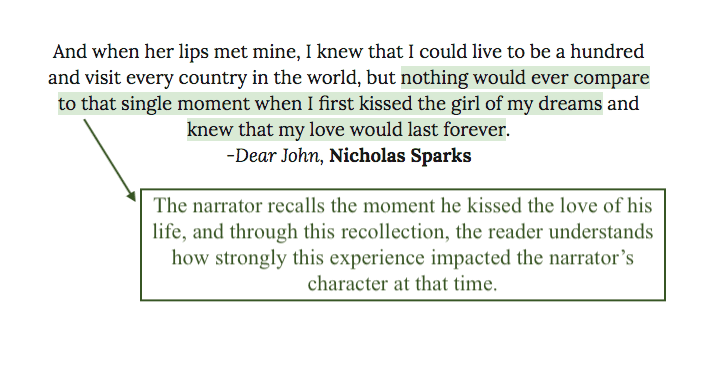
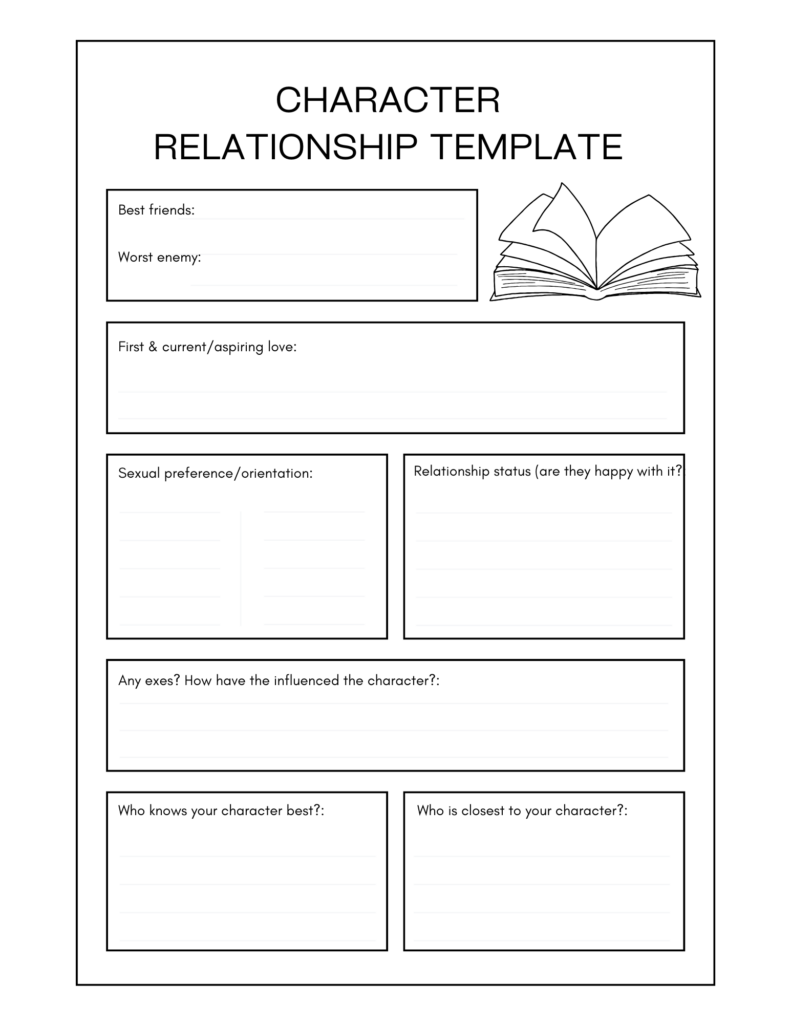
Section 8: Relationships
How a character relates to others reveals everything about their emotional world; their capacity for trust, their patterns of connection, and the relationships that define them.
- Who is their best friend?
- Who do they trust most in the world?
- Who do they trust least?
- Are they currently in a romantic relationship?
- What is their romantic history?
- What do they look for in a partner?
- What is their attachment style—secure, anxious, avoidant, disorganized?
- Do they have many friends or a few close ones?
- Are they good at maintaining relationships?
- Who would they sacrifice anything for?
- Who has hurt them most deeply?
- Have they ever loved someone they couldn't have?
- Who is their mentor or role model?
- Who is their nemesis?
- How do they treat people with less power or status than them?
- How do they treat strangers?
- Are they loyal? To what degree?
- Do they have any unresolved relationships—estrangements, losses, regrets?
Click here to jump to the Character Template!
Section 9: Backstory & Formative Events
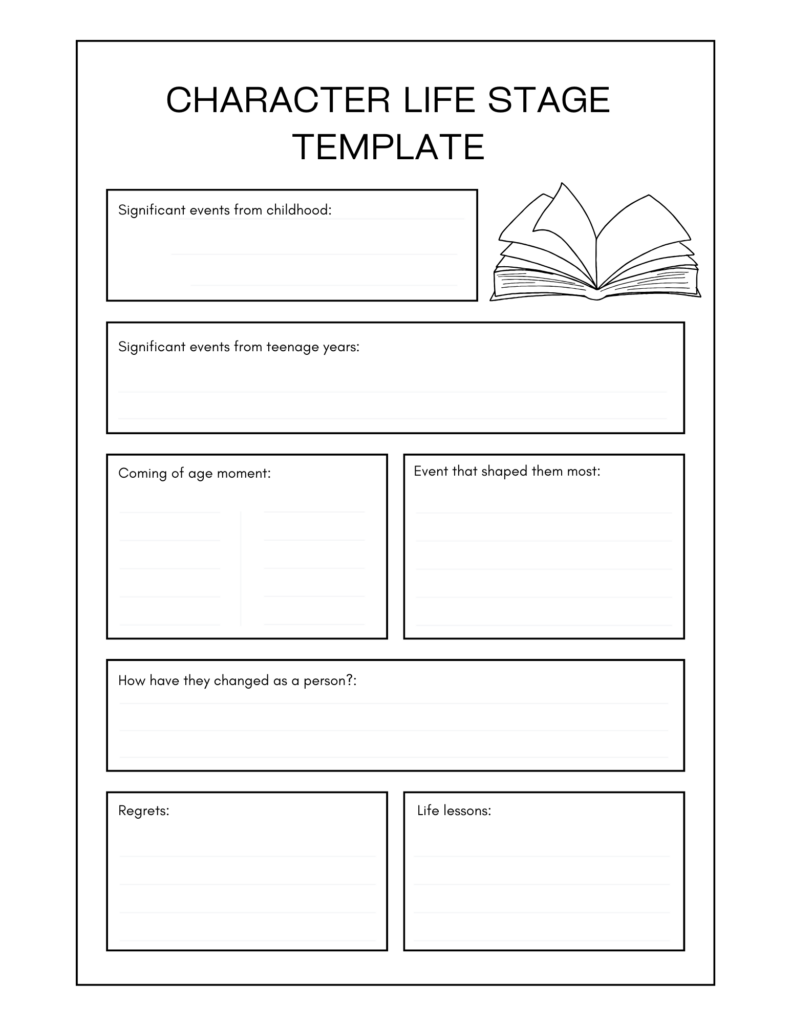
The past is never past in fiction. The events that shaped your character before page one are the invisible engine driving everything they do in your story.
- What is the single most defining event in their life?
- What was the happiest period of their life?
- What was the most painful?
- Have they ever experienced a significant loss? How did they handle it?
- Have they ever failed at something important? How did it change them?
- Have they ever done something they deeply regret?
- Have they ever done something they're deeply proud of?
- What secrets are they keeping?
- What would they never want anyone to know?
- Has anyone ever betrayed them? How did they respond?
- Have they ever betrayed someone else?
- What was their biggest turning point before the story begins?
- What belief did they form in childhood that still drives them today?
- What do they believe about the world that isn't actually true?
- What wound from the past are they still trying to heal?
- If they could go back and change one thing, what would it be?
- What event made them who they are today more than any other?
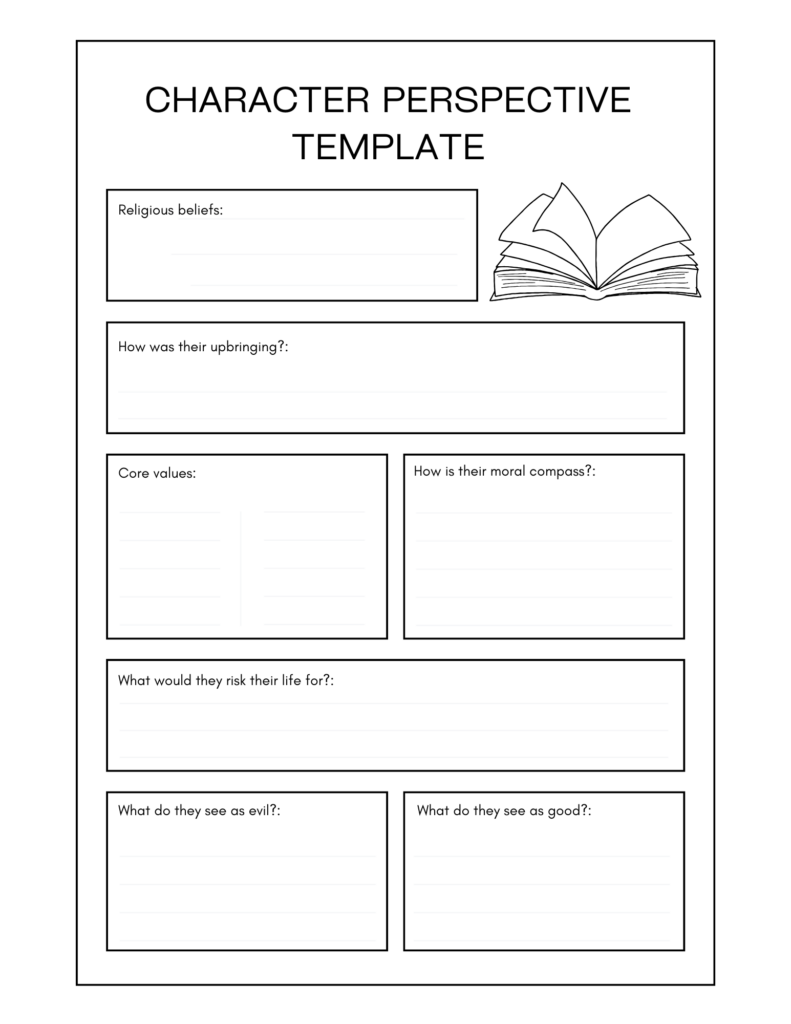
Section 10: Beliefs, Values & Story Role
This final section connects your character's inner life to their function in the narrative. This is where character bio work becomes plot work.
- What do they believe about right and wrong?
- What do they believe about fate versus free will?
- Are they religious or spiritual? How much does it guide their choices?
- What do they value most in life?
- What would they give up everything for?
- What would they never compromise on?
- What do they believe about themselves—their worth, their potential?
- What false belief about themselves drives their arc?
- What is their greatest fear?
- What is their deepest desire?
- What stands between them and what they want?
- Who or what is their primary antagonizing force?
- What is their role in the story—protagonist, antagonist, mentor, foil?
- How do they change from the beginning of the story to the end?
- What must they lose before they can gain what they truly need?
- What would their version of a perfect world look like?
- What would they die for?
- What would they kill for?
- What do they believe about the future?
- What does the reader need to understand about them that the character can't say aloud?
- How does the story's setting shape their worldview?
- What theme does this character embody in the story?
- What are the stakes if they fail?
- What does success look like for them, and is it the same as what the reader wants for them?
- How does their arc connect to the book's central conflict?
- What would they say if they could speak directly to the reader?
Genre-Specific Add-Ons
Standard character bios cover most fiction and nonfiction. But some genres require additional layers:
Fantasy & Science Fiction
- What are their species, abilities, or powers?
- What are the limits or costs of those powers?
- What is their relationship to the world's magic system or technology?
- How do they fit into the world's political or social hierarchy?
Romance & Dark Romance
- What is their primary love language?
- What is their attachment style and how does it create conflict?
- What is their specific emotional wound that drives romantic conflict?
- What does love mean to them, and why do they fear it?
Thriller & Mystery
- What are they hiding from the reader?
- What motive do they have that even they might not recognize?
- What information do they possess that other characters want?
Memoir & Nonfiction
- What do they believe now that they didn't believe during the events of the book?
- How do they describe themselves versus how others actually see them?
Common Character Bio Mistakes to Avoid
Skipping the antagonist. Antagonists need full bios too. A villain with no interior life is a plot device, not a character. The most memorable antagonists—Hannibal Lecter, Amy Dunne, Nurse Ratched—have complete, coherent inner worlds.
Treating it as a checklist, not a discovery process. The goal isn't to fill in every blank. It's to understand this person. If a question surprises you, sit with it. That's where the real character lives.
Starting without an outline. Filling out a character bio before you know your story often generates detail that doesn't fit. Read our guide on how to write a book outline first.
Dumping the bio into the text. New writers often over-explain their characters because they worked so hard on the bio. The bio is for you. Let readers discover the character through behavior and dialogue rather than exposition.
Using only positive character traits. Real people are contradictory. The most believable characters have virtues and flaws that conflict with each other in interesting ways.
Frequently Asked Questions
What is a character bio template? A character bio template is a structured set of questions that writers use to develop a character's physical appearance, personality, history, relationships, and motivations before writing their manuscript. It serves as a private reference document used throughout the writing process.
How many questions should a character bio have? Most professional character bio templates include between 50 and 200 questions. The more central a character is to your story, the more comprehensive their bio should be. Protagonists and antagonists deserve full bios; supporting characters need only the details relevant to their role.
Do you need a character bio for every character? No. Focus your deepest development on main characters—your protagonist, antagonist, and any characters with significant arcs. Minor characters need only a few defining details.
When should you fill out a character bio? The most effective approach is to complete your story outline first, then fill out character bios, then begin your draft. This ensures your character details align with your plot before you commit them to prose.
Can you use a character bio template for nonfiction? Yes. If you write memoir, biography, or narrative nonfiction , or use composite characters or case studies in self-help, a character bio helps you portray real or representative people with the same depth and consistency as fiction characters.
Ready to Write Characters Worth Reading?
Great characters are built, not born. The writers who create unforgettable protagonists and antagonists don't do it through inspiration alone, they do it through intentional development work before the first sentence is written.
This template is your starting point. Use it for every major character, keep it open while you write, and let it catch you when you're tempted to make a choice that doesn't fit the person you've built.
If you want expert support going from character concept to finished, published book—with a coach guiding every step—schedule a free strategy call with the selfpublishing.com team. We've helped thousands of writers learn how to write a book and get it published.
Or if you're at the beginning of your journey, start with our free guide on how to become an author. It'll show you exactly what the path looks like from idea to published book.