














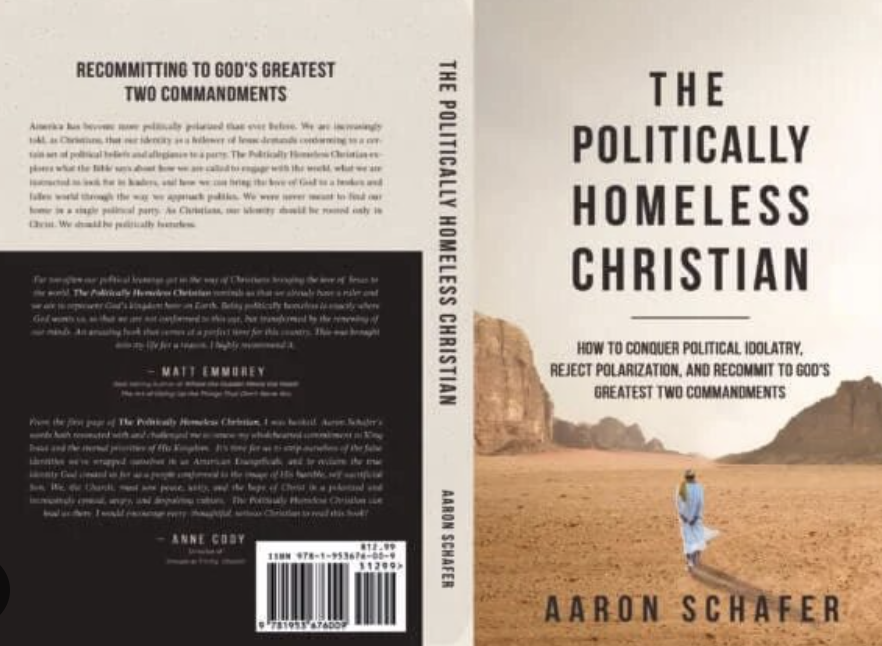

TL;DR: A book endorsement is a short quote of praise from a respected person, printed on your cover, praise pages, and Amazon listing. To get book endorsements, list people your readers already trust, give value before you ask, and send a short, personal request with your manuscript 3 to 4 months before launch. Offer to draft the blurb, set a deadline, and follow up.
Picture a reader in a bookstore. They pick up your book, flip it over, and scan the back cover. They've never heard of you. That's fine. What they're really looking for is a reason to trust you in the next 8 seconds.
A single line from someone they already admire can be that reason. It's borrowed credibility, and it's one of the most underrated tools in book marketing.
The problem? Most authors either never ask, or they ask badly and hear crickets. This guide fixes both. You'll see 12 book endorsement examples you can model, the step-by-step process for getting them (celebrities included), a request template, and exactly where to put your book endorsements once they roll in.
What is a book endorsement?

A book endorsement is a brief statement of praise from a credible person, like an author, expert, or public figure, used to market your book.
You'll hear endorsements called "blurbs" or "praise" too. They usually run 1 to 3 sentences and include the endorser's name plus a credential that tells readers why they should care, like "bestselling author of [Title]" or "CEO of [Company]."
Endorsements get mixed up with a few similar things. Here's the difference:
| Term | What it is | Who writes it | When it happens |
|---|---|---|---|
| Endorsement | A short quote of praise you have permission to use in marketing | An author, expert, or public figure | Before launch, usually from an advance copy |
| Blurb | Often means the same as an endorsement. Some people also use it for the back cover description | An endorser, or you | Before launch |
| Editorial review | An independent review from a publication or review service | A professional reviewer | Before or after launch |
| Customer review | A reader's rating and opinion on a retail site | Anyone who reads the book | After launch |
If you're writing the description on the back of your book, that's its own skill. Our guide to the book back cover walks you through it.
Why book endorsements matter
Book endorsements transfer trust from someone readers already know to you. They increase buy-in on covers, Amazon listings, media pitches, and speaking proposals.
- They answer "why should I trust you?" before a reader reads a single page.
- They work on Amazon. You can add them to the Editorial Reviews section of your book page, which sits above customer reviews.
- They open doors. Podcast hosts, event planners, and journalists notice when a respected name vouches for you.
- They keep working. One great endorsement can live on your cover, website, emails, ads, and media kit for years.
Will an endorsement make your book a bestseller on its own? No. But put 2 similar books side by side, one with a respected name on the cover and one without, and you already know which one most readers reach for.
Book endorsement examples
The best book endorsements are specific, name who the book is for, and come from someone the target reader recognizes. Here are 12 examples by type.
These examples of book endorsements are written for illustration, so swap in your own book, endorser, and details. Notice how each one does a slightly different job.
1. The authority endorsement
"The most practical book on hiring I've read in a decade. I've already rewritten our interview process because of chapter 4."
[Name], founder and CEO of [Company]
Works because the endorser's job makes the praise believable, and "chapter 4" proves they actually read it.
2. The results endorsement
"I followed this plan for 90 days and paid off $11,000 in debt. If you're tired of budgeting advice that doesn't stick, start here."
[Name], host of the [Podcast Name] podcast
Works because a concrete outcome beats any adjective.
3. The "who this is for" endorsement
"Every new manager should read this before their first 1-on-1. It's the book I wish someone had handed me."
[Name], author of [Bestselling Title]
Works because the reader instantly knows whether they're the target.
4. The comparison endorsement (fiction)
"For fans of [Popular Comparable Title]. Dark, clever, and impossible to put down. I read it in a single sitting."
[Name], USA Today bestselling author of [Series]
Works because comparing to a book readers already love tells them exactly what they're getting.
5. The emotional endorsement (memoir)
"Brave, tender, and honest in a way that stayed with me for days. This story will make you call someone you love."
[Name], author of [Memoir Title]
Works because memoir readers buy a feeling, and this names it.
6. The one-line cover blurb
"A must-read for every entrepreneur."
[Well-Known Name]
Works on the front cover, where space is tight and the endorser's name does most of the lifting. Save your longer quotes for the back cover and praise pages.
7. The peer-author endorsement
"[Author] writes with the confidence of someone who's done the work. I'll be recommending this to every author in my community."
[Name], author of [Title] and founder of [Community]
Works because the endorser is putting their own reputation, and audience, behind you.
8. The praise-page endorsement
"I've read hundreds of leadership books, and most of them say the same 5 things. This one doesn't. [Author] blends research with stories from the factory floor, and the result is a book that feels useful on a Tuesday morning, not just inspiring on a Sunday night. Buy 2 copies. You'll want to give one away."
[Name], executive coach and author of [Title]
Works because praise pages at the front of your book have room for a longer, more personal quote.
9. The children's book endorsement
"My second graders asked me to read it again, then again. A gentle, funny story about big feelings that belongs in every classroom."
[Name], elementary school teacher and literacy specialist
Works because parents and teachers trust educators. Planning a picture book? See our guide on how to write a children's book.
10. The faith-based endorsement
"Rooted in Scripture and full of grace. This devotional will meet you right where you are."
[Name], lead pastor of [Church] and author of [Title]
Works because a trusted voice in the reader's community carries more weight than a general celebrity.
11. The celebrity endorsement
"This book changed the way I train, and the way I think about food."
[Celebrity Name], Olympic gold medalist
Works when the celebrity has a real connection to your topic. A famous name with no link to your book reads as random.
12. The media or institutional endorsement
"A sharp, compassionate guide for caregivers."
[Publication or Organization Name]
Works because a respected outlet signals independent approval. These usually come from trade reviews rather than a personal ask.
What the best book endorsement examples have in common
- Specific details that prove the endorser read the book
- A clear audience, so the right reader feels seen
- A credential the target reader recognizes
- Short length, usually 15 to 50 words
Who should endorse your book?
The best endorsers are people your ideal readers already know and trust: established authors in your genre, experts in your field, and leaders in your readers' community.
Bigger isn't always better. A beloved name in your niche usually sells more books than a famous name your readers don't care about. Here's where to look:
| Book type | Great endorsers |
|---|---|
| Business and leadership | Executives, founders, consultants, and authors of books your readers already own |
| Self-help and health | Doctors, therapists, coaches, and respected practitioners in your specialty |
| Fiction | Bestselling authors in your genre or subgenre |
| Memoir | Memoirists, biographers, and leaders connected to your story's themes |
| Children's books | Children's authors, teachers, librarians, and founders of kids' programs |
| Faith-based books | Pastors, ministry leaders, and Christian authors |
Pro tip: look up 10 bestselling books similar to yours and write down who endorsed them. You'll spot patterns fast, and you'll have a ready-made list of people who clearly say yes to requests like yours.
How to get book endorsements, step by step
To get book endorsements, build a targeted list, give value first, then send a short, personal request with your manuscript, a suggested blurb, and a clear deadline.
Here's how to get a book endorsement from almost anyone, from a colleague down the hall to a household name, in 8 steps.
- Build your endorser list. Ask your ideal readers who they admire, in a social media group, an email, or a quick poll. Add the influencers you personally follow. Then sort names into 3 tiers: dream (long shots), stretch (possible), and warm (people you already know). Aim for 15 to 25 names total, since plenty will say no or never answer.
- Check for a values match. Visit each person's website and social profiles. Does their style and message fit yours? If your readers would be surprised to see that name on your cover, cross it off.
- Give value before you ask. It's much easier to get a yes from someone you've already helped. Leave a thoughtful review of their book, recommend them on LinkedIn, share their work with your audience, send a handwritten note, attend one of their events, or join one of their programs. Do it because you genuinely value their work. People can feel the difference.
- Get creative about standing out. A friend of mine wanted to connect with an influencer speaking at an event 3,000 miles away. She noticed on Instagram that the influencer loved brownies and would be traveling with her husband. So she had a dozen brownies delivered to the event with a note: "Best wishes during your presentation. Hope you and your husband enjoy these treats!" That was the start of their friendship.
- Prepare an endorsement kit. Make saying yes painless. Have ready a clean PDF or printed advance copy, a 1-page summary of the book, the chapter you think they'll love most, 2 or 3 sample blurbs they can tweak, and your deadline.
- Ask, briefly and personally. Never send a mass email. Explain why you chose them specifically, share 1 or 2 sentences about the book, state what you're asking for (a 1 to 3 sentence quote), and give the date you need it. Keep the whole message under 200 words.
- Follow up, up to 3 times. Emails land in spam. Assistants filter inboxes. Silence doesn't always mean no. Try a new channel each time: email, then a social message, then a note to their assistant or agent. After 3 tries, move on gracefully.
- Thank them and deliver. Send a signed copy when the book launches, tag them when you share their quote, and look for ways to promote their work. That's how 1 endorsement becomes a long-term relationship.
Book endorsement request template
Subject: Would you consider endorsing [Book Title]?
Hi [Name],
Your book [Their Title] changed how I [specific result], and I've recommended it to [who] ever since. That's why you're the first person I thought of for this.
I'm publishing [Book Title] on [date]. It helps [ideal reader] [main promise]. Your readers and mine care about a lot of the same things.
Would you be open to reading it and writing a 1 to 3 sentence endorsement? I've attached the manuscript and a few sample blurbs you're welcome to edit, rewrite, or ignore completely. If you're able to help, I'd need it by [date, 3 to 4 weeks out].
Either way, thank you for the work you do. It's made a real difference for me.
Warmly,
[Your name]
[Website or book page]
How to get a celebrity to endorse your book
To get celebrity book endorsements, pick celebrities connected to your topic, reach them through their team or a warm introduction, and keep the ask small.
- Pick celebrities who fit. A chef for your cookbook. An athlete for your fitness book. The connection should feel obvious to your reader.
- Find the right contact. Most celebrities are reached through an agent, manager, or publicist. Their websites, social bios, and paid databases like Contact Any Celebrity or IMDbPro can point you to their representation.
- Look for a warm path. Check LinkedIn and your own network for 2nd-degree connections. An introduction from someone they trust beats the coldest pitch you'll ever write.
- Show up where they are. Book signings, conferences, and podcasts where they're a guest are all chances to make a real, brief connection.
- Make the ask tiny. Offer a pre-written quote they can approve with a single "yes." A 60-second ask gets answered. A "please read my 300-page manuscript" ask often doesn't.
- Cast a wide net. Contact many people, knowing most will say no. That's not failure. That's the math.
Celebrity book endorsements are the hardest to land, and the most rewarding when they hit. Expect a low response rate and plan for it.
A real example: Kelsey Humphreys, a past selfpublishing.com student, landed big-name endorsements for her book. On our podcast with Chandler Bolt, she shared her approach: she found the correct contact info for each person, kept requests short, framed each request around the other person's goals, and reached out to lots of people knowing some would decline.
Important: never put someone's name or quote on your book without their written permission. Get their approval on the exact wording and on how you'll use it, whether that's your cover, Amazon, ads, or all 3.
How to write a book endorsement
A good book endorsement opens with a strong reaction, adds 1 specific detail, names who should read the book, and ends with the endorser's name and credential.
You'll use this whether you're drafting sample blurbs for your endorsers or someone asks you to endorse their book. Try this formula:
- Reaction: "I couldn't put it down." / "The most useful book on [topic] I've read."
- Specific detail: A chapter, character, idea, or result that proves you read it.
- Who it's for: "Every [reader type] needs this."
- Attribution: Name plus the credential that matters most to the reader.
When you draft blurbs for someone else, study their writing and social posts first so your sample sounds like them. Then tell them plainly: "I wrote a few options to save you time. Please change anything you like, or write your own." Most busy people are grateful.
Where do endorsements go in a book?
Endorsements go on the front cover, back cover, and praise pages at the front of the book, plus your Amazon listing, website, and marketing materials.
- Front cover: Your single strongest, shortest quote. One is plenty.
- Back cover: 1 to 3 quotes alongside your description.
- Praise pages: The first page or 2 inside the book, where you can include longer endorsements. See where these fit in our guide to the parts of a book.
- Amazon: Add them to the Editorial Reviews section in Amazon Author Central by opening your book under the Books tab. Bold the endorser's name and title so shoppers see who's talking first.
- Everywhere else: Your website, sales page, email signature, social graphics, ads, and speaker one-sheet.
When should you ask for book endorsements?
Start building relationships 6 months before launch and send endorsement requests about 3 to 4 months out, so quotes arrive before your cover is finalized.
| Time before launch | What to do |
|---|---|
| 6 months | Build your endorser list and start giving value |
| 4 to 5 months | Finish your manuscript to a clean, readable draft and prep your endorsement kit |
| 3 to 4 months | Send your requests with a 3 to 4 week deadline |
| 2 to 3 months | Follow up, collect quotes, and get written approval on wording |
| 2 months | Hand final endorsements to your cover designer and formatter |
| Launch and beyond | Add quotes to Amazon and your marketing, and thank every endorser |
Don't set the deadline so far out that your request slides to the back burner, or so close that it feels impossible. 3 to 4 weeks is the sweet spot, and be ready to grant an extension. Mapping out the rest of your timeline? Our book launch guide covers every step.
Do authors get paid for endorsements?
Usually not. Most authors give book endorsements for free as a professional courtesy, and paying for praise hurts the endorsement's credibility.
If you ever offer an endorser anything of value, like payment or a free product in exchange for their quote, that connection generally needs to be disclosed under the FTC's Endorsement Guides. Sending a free copy of the book so they can read it is standard practice.
Paid editorial reviews are a different thing. With services like Kirkus or BlueInk, you pay for an honest, independent review, not a guaranteed positive one. Compare your options in our roundup of paid book review services.
Common book endorsement mistakes
The most common mistakes are asking too late, sending generic mass emails, and chasing famous names who have no connection to your book.
- Asking too soon in the relationship. If you hesitate before hitting send, it may be too early. Give more value first.
- Mass emailing. Copy-paste requests get ignored, and they can burn a relationship for good.
- Sending a messy manuscript. It doesn't need to be final, but it must look professional.
- Forgetting the deadline. "Whenever you get a chance" usually means never.
- Giving up after 1 email. Follow up up to 3 times on different channels.
- Using quotes without permission. Always get written approval on the final wording.
Ready to publish a book people are proud to endorse?
The worst thing that can happen when you ask for an endorsement is a "no." The best thing? A respected voice telling thousands of readers that your book is worth their time.
Now you know how to get book endorsements. Pick 5 names from your dream list today and start giving value. Then keep momentum going with our guides to getting Amazon book reviews and book marketing.
From blank page to launch day, our coaches help you write, publish, and market your book the right way. Tell us where you are, and we'll map out your next step together. Book a free strategy call.
Frequently asked questions about book endorsements
What is an example of a book endorsement?
A simple example is: "Every new manager should read this before their first 1-on-1. It's the book I wish someone had handed me." followed by the endorser's name and credential, such as "author of [Bestselling Title]." Strong endorsements are specific, say who the book is for, and come from someone readers trust.
How do I write an endorsement for a book?
Start with your honest reaction, add 1 specific detail that proves you read the book, say who should read it, and sign with your name and most relevant credential. Keep it between 15 and 50 words so it fits on a cover or Amazon listing.
How long should a book endorsement be?
Most book endorsements are 15 to 50 words, and rarely more than 100. Front cover blurbs are often a single short sentence, while praise pages inside the book can hold longer quotes.
How do you get book endorsements as a first-time author?
Start with people who already know you or whose work you've supported, like authors in your genre, experts in your field, and leaders in your community. Give value first, send a short personal request with your manuscript and sample blurbs, set a 3 to 4 week deadline, and follow up up to 3 times.
How do you get a celebrity to endorse your book?
Choose celebrities with a genuine connection to your topic, reach them through their agent, manager, publicist, or a mutual connection, and make the ask small by offering a pre-written quote they can approve. Contact many people, since most celebrity requests go unanswered.
Do authors get paid for book endorsements?
Usually not. Most authors endorse books for free as a professional courtesy. Paying for praise undermines credibility, and any material connection between you and an endorser generally needs to be disclosed under FTC guidelines.
Can I write the endorsement for someone else to approve?
Yes. Drafting 2 or 3 sample blurbs saves busy endorsers time and often increases your chance of a yes. Make it clear they can edit, rewrite, or decline, and only use the final wording they approve in writing.