














TL;DR: An About the Author page is a short, third-person bio that appears at the back of your book, typically 50–150 words, covering who you are, why you're qualified to write this book, and how readers can connect with you next. The best ones match the tone of the book, lead with the most compelling credential, and end with a clear next step. Eight real examples below show exactly how authors across genres do it well.
Why Your About the Author Page Is More Powerful Than You Think
Most authors treat the About the Author page as an afterthought—something to fill in after the "real" writing is done.
That's a missed opportunity. Readers who make it to the back of your book are exactly who you want to reach. They finished your book. They're engaged, curious, and primed to take action, such as follow you on social media, join your email list, buy your next book, or hire you for speaking.
A flat, generic bio lets that momentum die. A well-crafted About the Author page converts that momentum into a relationship.
Every page of your book is a potential touchpoint with your reader. The About the Author page is often your last, so make it count.
What Is an About the Author Page?
An About the Author page is a brief biography at the back of a book that tells readers who the author is, establishes their credibility, and invites further engagement, typically written in third person and running 50–150 words.
It's distinct from an author bio on your website or a conference bio, each of those has a different audience and purpose. The book's About the Author page speaks specifically to someone who just finished reading your work. They already like what you wrote. Now they want to know who you are.
The page typically appears immediately after the final chapter. Some authors also include a version on the copyright page or as a standalone page at the front of the book.
For fiction, the tone is usually personal and warm. For nonfiction and business books, it leans toward credibility and expertise, though the best examples blend both.
Why Is an About the Author Page Important?
An About the Author page matters because it turns one-time readers into long-term followers by giving engaged readers a natural next step—your other books, your website, your email list, or your social media.
Think of the read-through funnel: someone discovers your book, reads it, and finishes it. At that moment, your reader is at peak engagement. The About the Author page is the bridge between that engagement and an ongoing relationship.
Without it, readers who loved your work have no obvious path forward. With it, you give them multiple ways to stay connected, which is the foundation of any sustainable book marketing strategy.
The page also does something subtler: it humanizes you. Readers are more likely to recommend books by authors they feel they know. A well-written About the Author page creates that feeling of familiarity and trust, even in just 100 words.
What Should an About the Author Page Include?
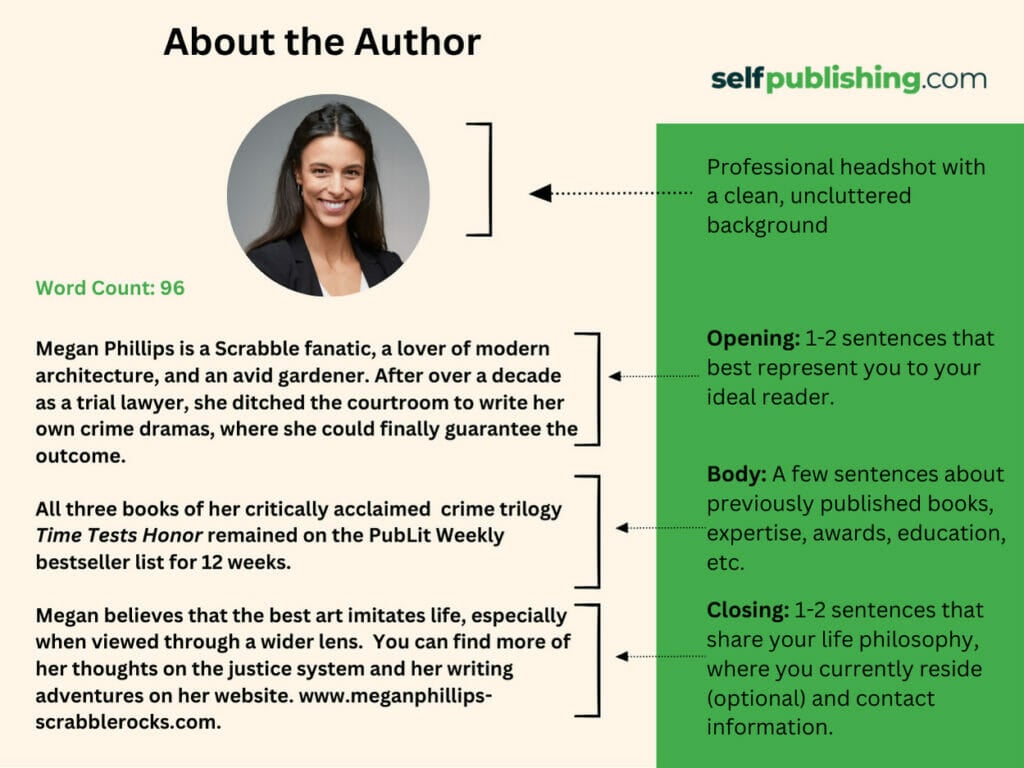
An About the Author page should include a strong opening identifier, your most relevant credentials or background, personal details that build connection, and a closing call to action with contact information.
Here's the four-part framework used by the most effective author bios:
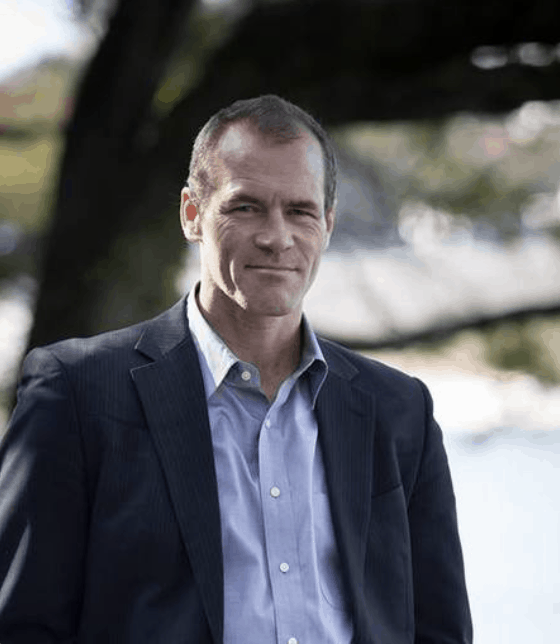
1. Professional Photo (Optional but Recommended)
Readers are naturally curious about what an author looks like, especially after spending hours in their voice. You don't need a professional photographer. A high-resolution smartphone photo with a clean background, natural light, direct eye contact, and a genuine expression is enough.
Avoid: overly formal corporate headshots, low-resolution images, or photos that don't match the tone of your book.
2. Opening (1–2 sentences)
Your opening should answer one question: Who are you to your ideal reader?
Lead with your strongest, most relevant credential—not your name (that's already on the cover). For a thriller writer who spent 13 years in forensic fraud investigation, that's the opening. For a Christian romance author, it's the theme and values that define her work. Match the hook to your genre and audience.
Start with a strong opening sentence the same way you would for any piece of writing. Earn the reader's attention immediately.
3. Body (2–4 sentences)
The body expands on your credentials with specific, verifiable details: books you've written, professional background, awards, education, speaking experience, or areas of expertise. Be concrete. "More than 80 books translated into 42 languages" is far more persuasive than "bestselling author."
Include only what's relevant to your reader and this book. A fitness author's legal background is irrelevant. A thriller writer's forensics background is gold.
4. Closing (1–2 sentences)
End with something personal and a clear next step. The personal touch, where you live, a quirky habit, a value you hold, makes you human. The next step, a website URL, newsletter signup, email address, converts reader goodwill into an ongoing connection.
This is your last chance to invite them further into your world. Don't leave it blank.
Whether your book is fiction or nonfiction, the trick to creating an engaging About the Author page is to know your audience.
Interestingly, the National Institutes of Health weighed in on the universality of reader engagement when it said, "Your language choices will make or break your connection with your readers." This statement is true no matter what you're writing. (btw: Their article on using plain language in documents to connect with your audience is applicable to About the Author pages, a short read, and worth a look.)
Traditionally, About the Author pages are written in the third person and are short—50-100 words, but below I’ll share a few examples that break those rules but still work. As with any type of writing, it's always best to learn the rules first and then decide whether or not you want to break them.
About the Author Page: Fiction vs. Nonfiction
| Factor | Fiction | Nonfiction/Business |
| Tone | Warm, personal, often playful | Authoritative, credential-forward |
| Lead with | Voice and personality | Most impressive relevant achievement |
| Credentials | Awards, series, reader community | Professional experience, data, speaking |
| CTA | Newsletter, next book, social media | Website, speaking inquiries, contact |
| Ideal length | 50–100 words | 100–175 words |
The single rule that applies to both: know your reader and match your tone to their expectations. A cozy mystery reader wants to feel like they're meeting a friend. A business reader wants to know you've been in the trenches.
8 About the Author Examples (With Analysis)
1. Melanie Bennett Jacobson—Fiction, Romantic Comedy (90 words)
Melanie Bennett Jacobson is an avid reader, amateur cook, and champion shopper. She consumes astonishing amounts of chocolate, chick flicks, and romance novels. She grew up in Louisiana and now lives in Southern California with her family and a series of doomed houseplants. She holds an MFA in Writing for Children and Young Adults from the Vermont College of Fine Arts and is the author of nine romantic comedies and several novellas. Visit melaniejacobson.net to sign up for Melanie's newsletter and get a FREE copy of Love, Not Luck.
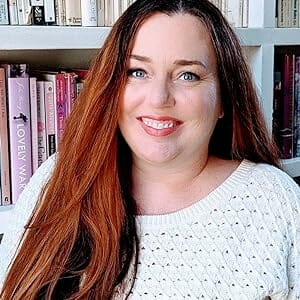
What works: Melanie leads with personality, not credentials. Her lighthearted, self-deprecating tone perfectly mirrors what readers expect from romantic comedy — they already know they like her voice before they even finish the bio. The MFA and nine-book catalog appear naturally mid-way, establishing credibility without feeling like a resume. The closing newsletter CTA with a free book offer is smart: it converts curious readers into email subscribers immediately.
Best for emulating: First-time fiction authors who want to sound confident and approachable without leaning on sparse credentials.
2. Brian Tracy—Nonfiction, Business & Motivation (165 words)
Brian Tracy is one of the top business speakers in the world today. He has designed and presented seminars for more than 1,000 large companies and more than 10,000 small and medium-sized enterprises in 75 countries... He has written more than 80 books that have been translated into 42 languages...
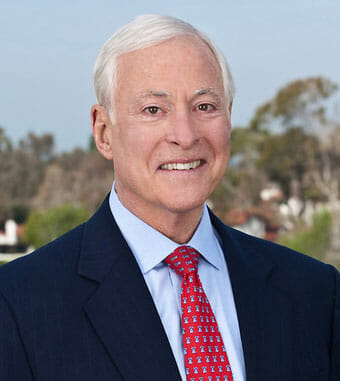
What works: Brian Tracy's bio is longer than average, but he has the credentials to justify it. Every sentence adds a new layer of scale: countries served, companies trained, books published, languages translated. The cumulative effect is overwhelming authority. He also treats the page explicitly as a business card—contact information included, president of his own company named.
Best for emulating: Nonfiction authors in business, motivation, or professional development who use their book as a platform for speaking engagements or coaching. Your About the Author page is your best free marketing asset, so use it like one.
3. Rob Sinclair—Fiction, Espionage Thriller (124 words)
Rob specialized in forensic fraud investigations at a global accounting firm for thirteen years. He began writing in 2009 following a promise to his wife, an avid reader, that he could pen an 'unputdownable' thriller. Since then, Rob has sold over a million copies…

What works: Rob opens with his day job rather than his books because his professional background is the most compelling thing about him for a thriller reader. A forensic fraud investigator writing espionage fiction is an immediate credibility signal. The origin story (a promise to his wife) adds warmth and authenticity. Comparisons to Lee Child and Vince Flynn, mentioned as reviewer observations, not self-claims, add social proof without arrogance.
Best for emulating: Authors whose professional background directly qualifies them to write their genre. Lead with the credential, then follow with the story.
4. Karen Kingsbury—Fiction, Contemporary Christian (82 words)
Karen Kingsbury, #1 New York Times bestselling novelist, is America's favorite inspirational storyteller, with more than 25 million copies of her award-winning books in print…
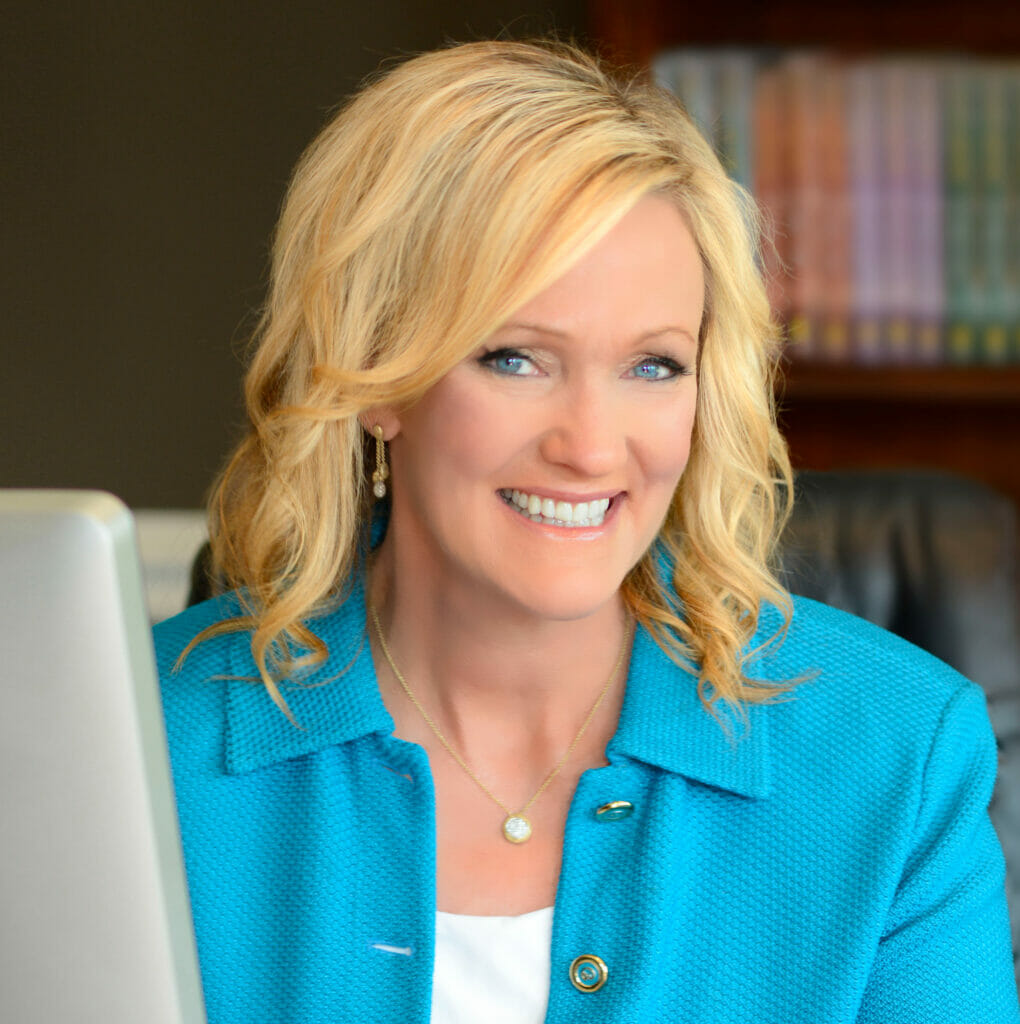
What works: Karen leads with her most powerful credential in the very first phrase: #1 New York Times bestselling novelist. Every subsequent sentence reinforces scale—25 million copies, dozen chart-topping titles, TV development. For a multi-book author with significant accolades, the opening credential does the heavy lifting. The closing personal note (married, living in Tennessee near family) grounds the authority in humanity.
Best for emulating: Established authors with significant credentials who need to compress a large body of work into under 100 words. Lead with your biggest achievement, then humanize.
5. Allan Dib—Nonfiction, Marketing (103 words)
Allan Dib is a serial entrepreneur, rebellious marketer, technology expert, and bestselling author. He has started and grown multiple businesses in various industries… In four years, Allan grew this business from a startup to being named by Business Review Weekly as one of Australia's fastest-growing companies…
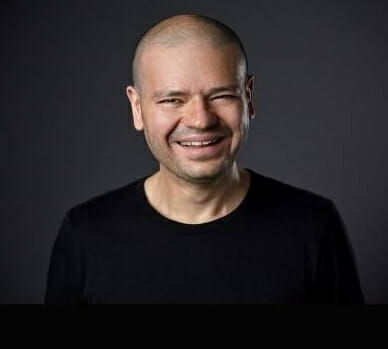
What works: Allan's opening four-word identifier—"serial entrepreneur, rebellious marketer"—immediately signals his positioning. His bio functions as a business card for his thought leadership strategy, establishing him as a practitioner with proven results rather than a theorist. The BRW Fast 100 mention is a specific, verifiable third-party credential that carries far more weight than self-described superlatives.
Best for emulating: First-time nonfiction authors who want to establish industry expertise. Specificity beats generality every time.
6. K.M. Weiland—Nonfiction/Fiction, Writing (130 words)
K.M. Weiland lives in make-believe worlds, talks to imaginary friends, and survives primarily on chocolate truffles and espresso. She is the IPPY, NIEA, and Lyra Award-winning and internationally published author of the popular writing guides Outlining Your Novel and Structuring Your Novel…
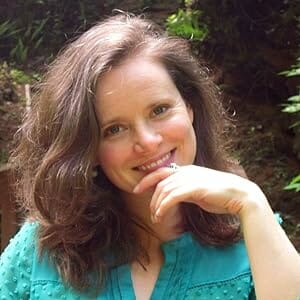
What works: K.M. Weiland's audience is other writers, a particularly discerning group who can smell inauthenticity. She disarms them immediately with self-deprecating humor before layering in an impressive credential stack: three named awards, internationally published, multiple successful titles. Her award-winning blog for authors gets a mention too, reinforcing her authority in the exact community she serves. She includes her email address, a rare but strong signal of accessibility for her community.
Best for emulating: Authors writing for other authors, creatives, or any audience that values authenticity as much as expertise. If you're helping readers outline their books or become successful authors, your bio must earn trust before it claims authority.
7. Jenny B. Jones—Fiction, Multiple Genres (99 words)
Get a free book from Jenny by signing up for her infrequent newsletter. Your Free Book is Just One Click Away. Award-winning author Jenny B. Jones writes romance, mystery, and YA with sass and Southern charm…
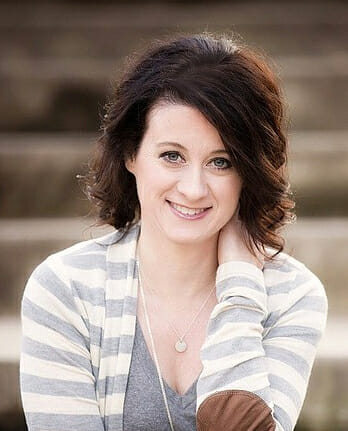
What works: Jenny opens with a CTA before a single word of bio—both an unconventional and a smart move. The free book offer appears before readers can even decide whether they want to follow her, turning passive curiosity into immediate action. The bio itself is playful and specific ("honorary PhD in queso"), carrying the same voice as her fiction. Building her email list is front and center. The right priority for a career author.
Best for emulating: Authors who prioritize social media and email list growth over pure credentialing. If audience-building is your goal, put the CTA first.
8. Emily Conrad—Fiction, Contemporary Christian (58 words)
Emily Conrad writes contemporary Christian romance that explores life's relevant questions. Though she likes to think some of her characters are pretty great, the ultimate hero of her stories (including the one she's living) is Jesus. She lives in Wisconsin with her husband and their energetic coonhound rescue. Learn more at emilyconradauthor.com.
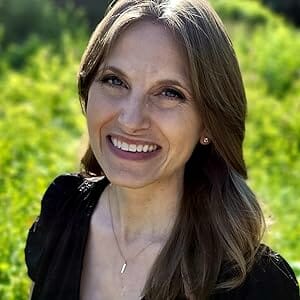
What works: Emily's bio is only four sentences and never mentions a specific book title or award. It works because it perfectly matches reader expectations. Her audience reads Christian romance for faith and values, not for author credentials. Her bio communicates exactly that: her faith is the core of her stories. The website CTA is clean and simple. Nothing is wasted.
Best for emulating: Authors early in their career who worry about thin credentials. Credentials matter far less than alignment with reader values. Know what your audience came for, and reflect it back.
What the Best About the Author Pages Have in Common
After analyzing these eight examples across fiction and nonfiction, five patterns emerge in every successful bio:
They lead with the most compelling thing. The opening line earns attention. The most relevant credential, the most engaging personality trait, or the most surprising background detail, whatever is most likely to make the reader lean in, goes first.
They match the book's tone exactly. A cozy mystery author's bio shouldn't read like a corporate press release. A business author's bio shouldn't be breezy and casual. Tone consistency between the book and the bio signals intentionality and professionalism.
They are specific, not generic. "Award-winning author" is forgettable. "IPPY, NIEA, and Lyra Award-winning" is memorable. "Bestselling author" blends into the background. "More than 80 books translated into 42 languages" does not.
They end with a clear next step. Every strong About the Author page closes with an actionable invitation: a URL, a newsletter CTA, an email address, a free resource offer. The goal is to continue the relationship beyond the book.
They know their audience. The most effective bios are written for a specific reader, not a general one. What does this reader care about? What would make them trust this author? Start there.
Common About the Author Mistakes to Avoid
Writing it in first person. About the Author pages are almost universally written in third person. Journalists, bloggers, and event organizers will often quote them directly—they need to work without editing.
Making it purely a resume. A list of credentials without personality doesn't invite connection. Balance accomplishment with humanity, where you live, what you love, what drives you.
Forgetting the CTA. The most common and costly omission. Every About the Author page should end with a specific invitation: visit your website, join your newsletter, follow you on social media. Readers who finished your book are the most motivated audience you'll ever have. Give them somewhere to go.
Being too long or too short. Fiction bios under 40 words feel empty. Nonfiction bios over 200 words lose readers. Match length to the density of your credentials, no more, no less.
Using the same bio everywhere. Your book's About the Author page serves a different purpose than your author website About page, your author media kit, or your short bio for conferences. Tailor each version to its context and audience.
Frequently Asked Questions
What should an About the Author page say? An About the Author page should identify who you are, establish why you're qualified to write this book, share one or two personal details that humanize you, and close with a next step—your website, newsletter, or social media. Keep it 50–150 words and write it in third person.
How long should an About the Author page be? For fiction, 50–100 words is the sweet spot. For nonfiction and business books with significant credentials, 100–175 words is acceptable. Length should be proportional to the density of genuinely relevant information. Don't pad, and don't undersell yourself.
Should an About the Author page be written in first or third person? Third person. Always. This allows the bio to function as a press-ready document that journalists, bloggers, event organizers, and other authors can quote or reproduce without editing.
Do you need an About the Author page for a self-published book? Yes. It's one of the highest-ROI pages in your entire book. Readers who finish your book are your most engaged audience. An About the Author page gives them a path to stay connected with you, buy your next book, join your email list, and recommend you to others.
Where does the About the Author page go in a book? Traditionally, the About the Author page appears at the very back of the book, after the final chapter and any acknowledgments or notes sections. Some authors also place a brief version on the copyright page at the front.
Can I include a call to action in an About the Author page? Absolutely, and you should. Including a newsletter CTA, a free resource offer, or a website URL is standard practice and often the highest-converting element of the entire page. Jenny B. Jones leads her entire bio with a free book offer. It works.
Write Your About the Author Page Today
Your About the Author page is the last thing an engaged reader sees and the first chance you have to turn that reader into a long-term fan.
Use the four-part framework: a strong opening credential, a body that builds authority with specific details, one personal touch that makes you human, and a clear CTA that gives readers somewhere to go next.
If you're building your author platform from the ground up (bio, website, media kit, launch strategy) the selfpublishing.com team can help you get there. We've helped 7,000+ authors go from idea to published book, and we know exactly what it takes to build an author brand that lasts.
Schedule a free strategy call today and let's talk about your book.
Last updated: April 2026