















TL;DR
Horror has roughly 20 major subgenres, and the clearest way to understand these horror book genres is by the fear each one exploits: the mind (psychological, gothic, quiet), the body (body horror, splatterpunk, slasher), the supernatural (paranormal, occult, creature features), the unknown (cosmic, weird), the world (folk, eco, apocalyptic, survival), and genre crossovers (sci-fi, dark fantasy, comedy, Southern gothic, historical). Pick the fear you want to provoke, and the subgenre picks itself.
Most lists of horror subgenres are just that: lists. A name, a one-line definition, and you're on your own. That's fine if you want trivia. It's useless if you're trying to write a book that finds readers, because it tells you nothing about how each subgenre actually works on the human nervous system.
This guide takes a different approach. Each of the horror subgenres books below is organized by the specific fear it exploits, because that's the decision that matters when you sit down to write. Slasher horror and cosmic horror are not "different flavors." They scare people in completely different ways, attract different readers, and demand different craft. Choose the wrong one for your idea and the book fights you the whole way.
By the end, you'll have a map of horror genres, a standout book to study in each of the different types of horror books, and a clear sense of which one fits the story you want to tell. There's also a quick-reference table if you just want to scan and go.
What counts as a horror subgenre?
Horror subgenres are recognized categories within horror defined by a shared source of fear, a set of conventions, and reader expectations, such as gothic decay, cosmic dread, or bodily violation.
Horror itself is simple to define and hard to do well. What is the horror genre? It's fiction built to disturb, frighten, or unsettle. What separates the subgenres is the where of the fear: where it comes from, what it threatens, and how it gets under the reader's skin.
That's why grouping them by fear family is more useful than an alphabetical list. There are many types of horror genres. The 20 subgenres below fall into 6 families. Many books blend two or three, and the best often do. But every horror story has a primary engine, and naming it is the first real decision you make as an author.
Why horror is a smart genre to write right now
Horror is one of the fastest-growing categories in fiction, and it's unusually friendly to indie authors, who can move fast on trends and own niche subgenres that big publishers overlook.
The fear sells. According to Circana BookScan, horror print sales were up about 13% in the first half of 2025, part of a broader reader shift toward darker, more intense fiction. Adjacent categories surged alongside it, with psychological thrillers up 29% and dark fantasy up 23% over the same period.
Here's why that matters for you specifically. Horror readers are loyal, they read deep within their favorite subgenres, and they discover new authors constantly through BookTok, horror podcasts, and Reddit communities. Names like Grady Hendrix, Stephen Graham Jones, and a wave of indie splatterpunk authors have proven there's a real audience for fresh voices. The door is open.
Now let's get to the horror subgenres list!
Family 1. Horror of the mind
These subgenres scare you from the inside out. The threat is perception, sanity, and the slow realization that something is wrong, often before anything overtly supernatural appears.
1. Psychological horror
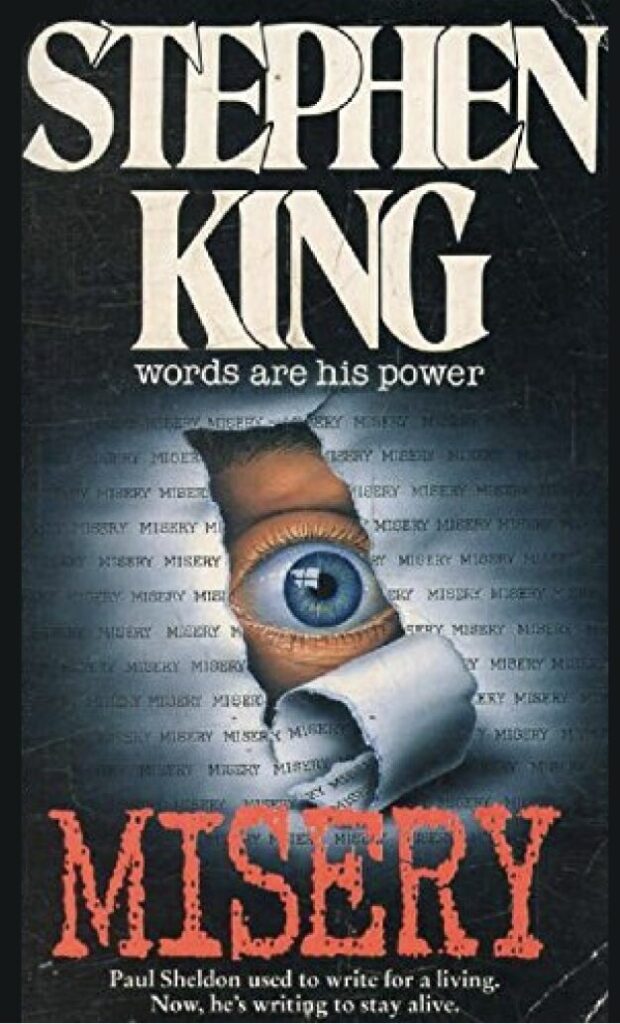
Fear that lives in the mind rather than in a monster. Psychological horror builds dread through paranoia, obsession, unreliable narration, and the collapse of a character's grip on reality. The scariest thing in the book is often the narrator.
The core fear: that you can't trust your own mind.
Signature tropes: the unreliable narrator, gaslighting, isolation, a slow descent into madness, the twist that recontextualizes everything.
Read this: Misery by Stephen King, or The Silent Patient by Alex Michaelides for a modern, commercial take. On screen: The Shining.
For authors who'd rather unsettle than shock, and who love an ending that makes readers reread chapter one.
2. Gothic horror
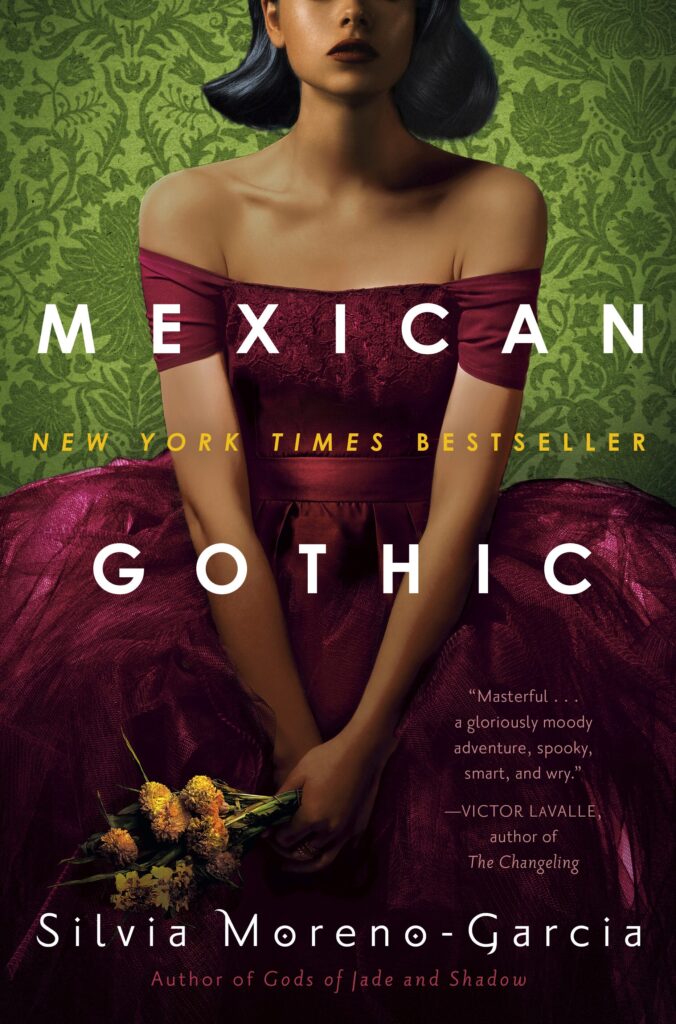
The genre's oldest branch, and still one of the richest. Gothic horror runs on atmosphere: crumbling estates, family secrets, oppressive weather, and a dread that seeps in slowly. It often braids romance and horror together, with decay standing in for moral or psychological rot.
The core fear: the past refuses to stay buried.
Signature tropes: the haunted house or estate, the brooding figure, buried family secrets, isolation, the uncanny.
Read this: Mexican Gothic by Silvia Moreno-Garcia for the modern wave, Rebecca by Daphne du Maurier for the classic.
For authors who want mood, mystery, and slow-building tension over gore.
3. Quiet horror
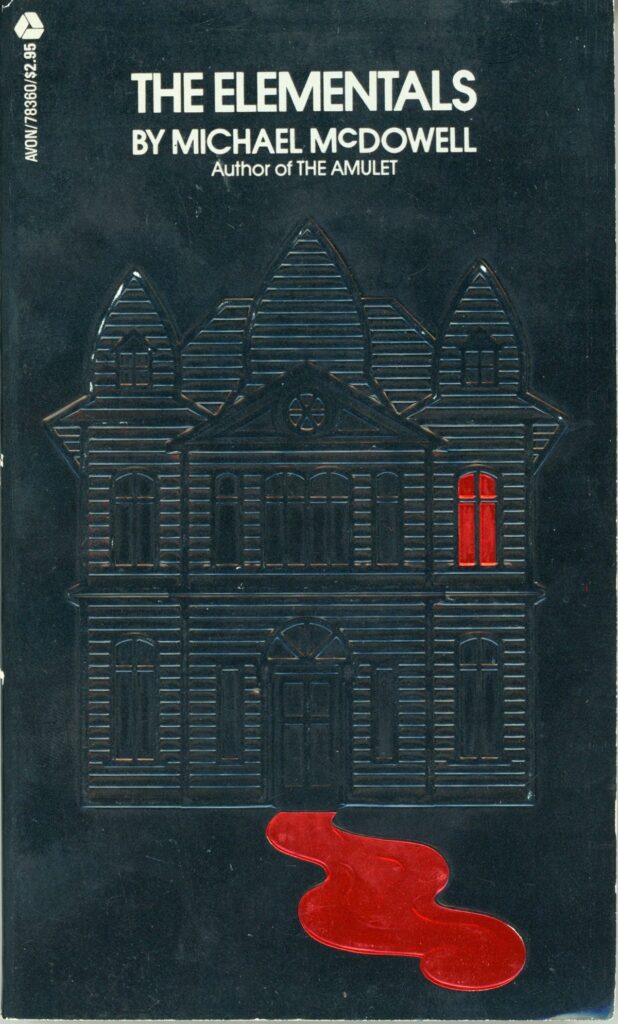
Restraint as a weapon. Quiet horror builds unease through suggestion, the uncanny, and what's left off the page, rather than explicit violence. The fear creeps rather than jumps. It's the literary end of the genre, and harder to write than it looks.
The core fear: the wrongness you can sense but can't name.
Signature tropes: ambiguity, the slow burn, the ordinary turned strange, dread without a clear monster.
Read this: The Elementals by Michael McDowell, or the short fiction of Shirley Jackson.
For literary authors who trust readers to feel dread without being shown the knife.
Family 2. Horror of the body
These subgenres make the threat physical and visceral. They target the body's vulnerability, our fear of pain, mutilation, and the loss of control over our own flesh.
4. Body horror
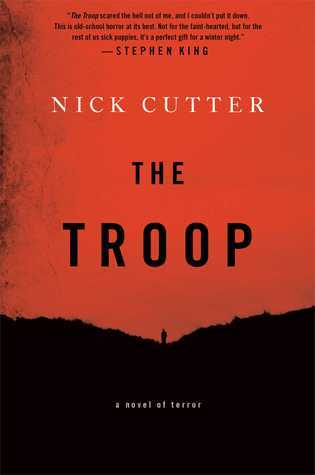
Fear rooted in the body itself: transformation, infection, mutation, and the grotesque undoing of human form. Body horror externalizes anxieties about illness, aging, and losing control of the one thing we can never escape.
The core fear: your own body betraying you.
Signature tropes: grotesque transformation, contagion, parasitism, the uncanny double, science gone wrong.
Read this: The Troop by Nick Cutter, or Tender Is the Flesh by Agustina Bazterrica. On screen: David Cronenberg's The Fly.
For authors with a strong stomach who want a reaction that's physical, not just emotional.
5. Splatterpunk and extreme horror
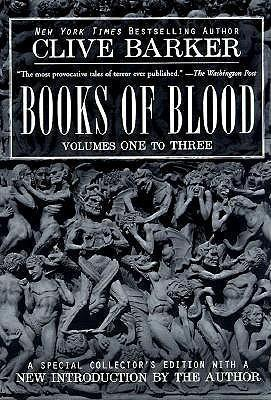
The far end of the genre. Splatterpunk and extreme horror novels push gore, violence, and taboo to the limit, with little interest in restraint. It's polarizing by design, and it has a devoted readership that knows exactly what it wants.
The core fear: there are no limits, and no one is coming to help.
Signature tropes: graphic violence, transgression, nihilism, the no-rescue ending.
Read this: Clive Barker's Books of Blood, a foundational collection. The modern indie scene goes much further.
For authors who want to test limits and write directly to a hardcore, content-warning-savvy audience.
6. Slasher horror
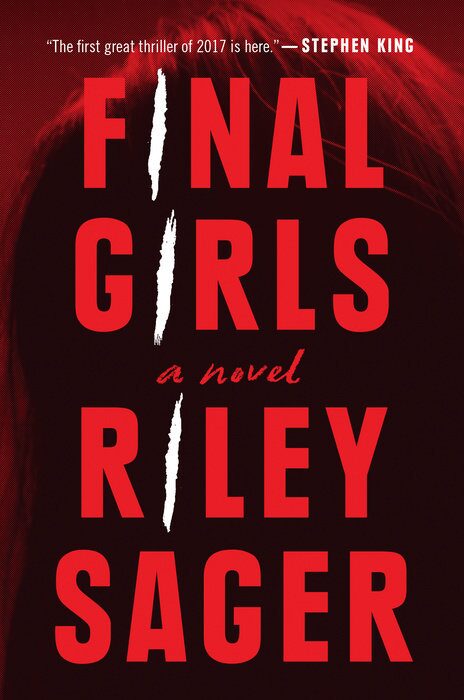
A relentless killer and a dwindling cast of victims. Slasher horror is built on suspense, set-piece kills, and the survivor who finally turns and fights back. It crystallized in film but translates well to the page, especially in the hands of authors who play with the formula.
The core fear: being hunted, in a place that should be safe.
Signature tropes: the masked or unstoppable killer, the final girl, the body count, the safe space turned trap.
Read this: My Heart Is a Chainsaw by Stephen Graham Jones, or Final Girls by Riley Sager. On screen: Halloween.
For authors who love pace, tension, and a knowing wink at genre conventions.
Family 3. Horror of the supernatural
These subgenres reach beyond the natural world. The threat is something that should not exist: ghosts, demons, witches, or creatures from folklore and nightmare.
7. Supernatural and paranormal horror

The broad home for ghosts, hauntings, demons, and possession. This is where the haunted-house story lives, along with the vengeful spirit and the exorcism. The fear comes from a reality that operates by rules we don't understand and can't fight with ordinary tools.
The core fear: death is not the end, and what comes after is not kind.
Signature tropes: the haunted house, the restless spirit, possession, the medium, the cursed object.
Read this: The Haunting of Hill House by Shirley Jackson, the gold standard, or Hell House by Richard Matheson. On screen: The Exorcist.
For authors who want classic scares and a setting that becomes a character.
8. Occult and witch horror
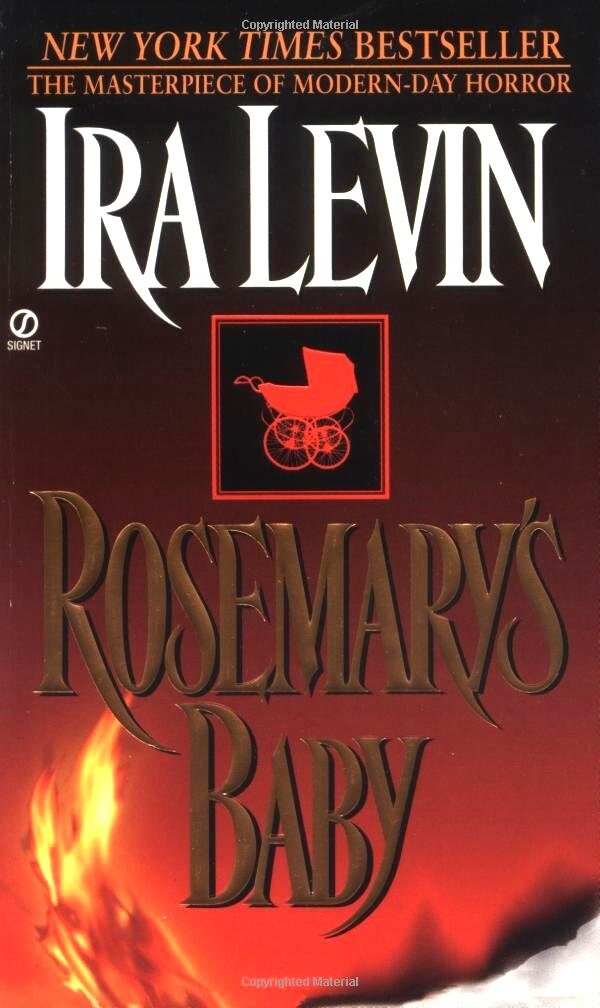
Horror drawn from forbidden knowledge, ritual, and belief. Occult horror centers on covens, cults, satanic panic, and the price of meddling with powers meant to stay hidden. Witch horror is its close cousin, mining centuries of folklore and persecution.
The core fear: the people around you are not who they seem, and they want something from you.
Signature tropes: the coven, the ritual, the sinister neighbors, the bargain, the chosen sacrifice.
Read this: Rosemary's Baby by Ira Levin, or Hex by Thomas Olde Heuvelt. On screen: The Witch.
For authors who want slow-building paranoia and a dread that turns communal.
9. Creature features
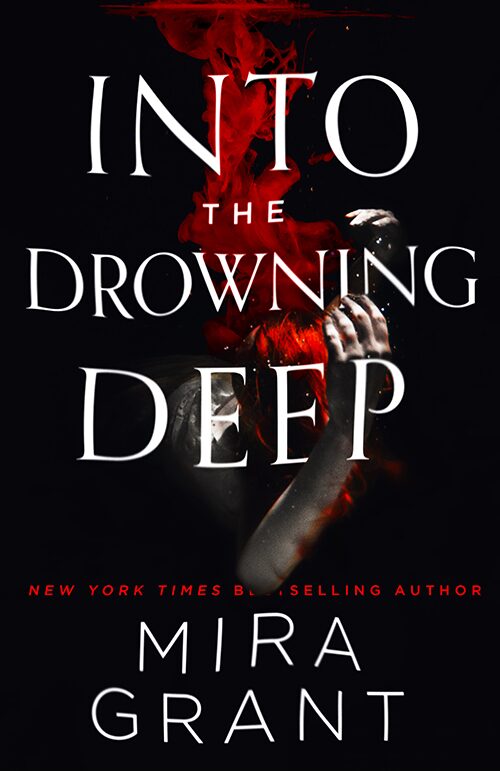
The monster takes center stage. This cluster covers vampires, werewolves, and original creatures alike, where the source of fear is a being that hunts, transforms, or simply cannot be reasoned with. It's also the most flexible space in horror, easy to blend with romance, fantasy, or sci-fi.
The core fear: a predator that sees us as prey.
Signature tropes: the hunt, transformation, the creature's origin, the rules that must be followed to survive.
Read this: Dracula by Bram Stoker for the blueprint, or Into the Drowning Deep by Mira Grant for modern range.
For authors who want a clear antagonist and room to build mythology.
Family 4. Horror of the unknown
These subgenres scare you with scale and incomprehension. The threat is too vast, too alien, or too strange to fully understand, and understanding it is its own danger.
10. Cosmic and Lovecraftian horror

Dread on a universal scale. Cosmic horror, popularized by H.P. Lovecraft and the Cthulhu Mythos, builds fear from humanity's smallness against ancient, indifferent forces. The terror isn't being killed. It's realizing you never mattered at all, and that knowledge can break a mind.
The core fear: the universe is vast, uncaring, and aware of you.
Signature tropes: forbidden knowledge, the descent into madness, ancient entities, insignificance, the narrator who learns too much.
Read this: At the Mountains of Madness by H.P. Lovecraft, then The Ballad of Black Tom by Victor LaValle, which reckons with Lovecraft's legacy head-on.
For authors who want to provoke awe and existential dread, not jump scares.
11. Weird fiction

Horror that refuses to sit still. Weird fiction blends horror, fantasy, and the surreal into something that resists category, prizing the strange and the inexplicable over clean explanations. It overlaps with cosmic horror but leans further into the uncanny and the dreamlike.
The core fear: reality doesn't work the way you thought.
Signature tropes: the inexplicable, genre-blurring, unstable reality, the refusal to explain.
Read this: Annihilation by Jeff VanderMeer, or the short fiction of Thomas Ligotti.
For authors with literary ambitions who want to unsettle on a deeper, stranger level.
Family 5. Horror of the world
These subgenres turn the world itself into the threat: the land, the community, the collapse of society, or the brutal arithmetic of staying alive.
12. Folk horror
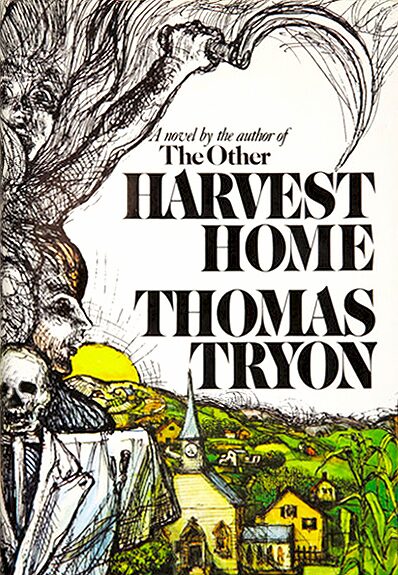
One of the hottest subgenres of the last decade. Folk horror draws fear from rural isolation, old traditions, and the land's deep memory. An outsider arrives in a remote community, senses something off, and learns too late that the old ways never died.
The core fear: the old beliefs are real, and you're the outsider.
Signature tropes: the isolated village, pagan ritual, the unwelcome outsider, nature as menace, the harvest.
Read this: Starve Acre by Andrew Michael Hurley, or Harvest Home by Thomas Tryon. On screen: Midsommar.
For authors who love atmosphere, dread, and a deep sense of place.
13. Eco-horror
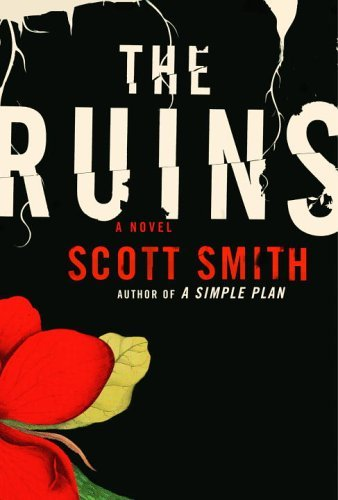
Nature strikes back. Eco-horror makes the environment itself the antagonist, whether through animals, plants, climate, or the planet's slow revenge on the people destroying it. It's timely, resonant, and increasingly popular as real-world anxieties grow.
The core fear: we are not the top of the food chain, and nature is done with us.
Signature tropes: the hostile wilderness, infestation, the natural world turned predator, human hubris punished.
Read this: The Ruins by Scott Smith, or Daphne du Maurier's novella The Birds.
For authors who want horror with a pulse on real-world fear.
14. Apocalyptic and post-apocalyptic horror
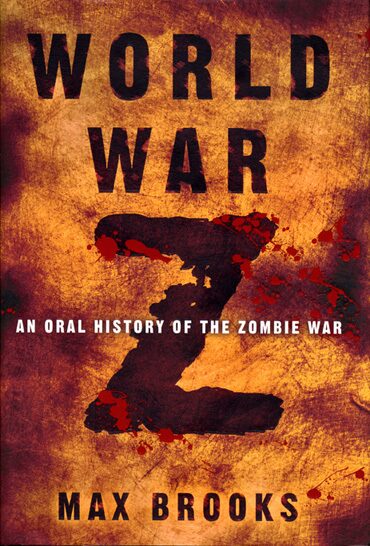
The end of the world, and what comes after. This subgenre covers the collapse itself and the brutal aftermath, including most zombie fiction. The monsters matter less than what people become when the rules disappear.
The core fear: civilization is a thin veneer, and other survivors are the real threat.
Signature tropes: the outbreak, the breakdown of order, the dangerous stranger, scarcity, the hard choice.
Read this: The Girl With All the Gifts by M.R. Carey, or World War Z by Max Brooks.
For authors interested in human nature under pressure, not just the creatures.
15. Survival horror
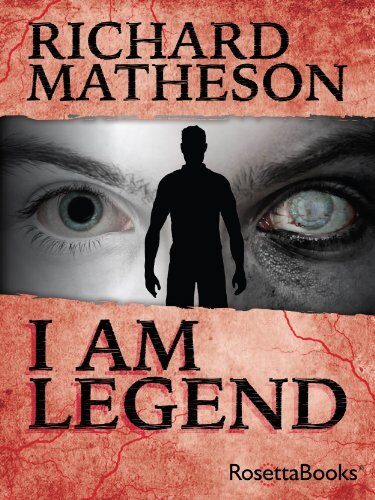
Stripped-down, relentless tension. Survival horror traps characters in a hostile situation with dwindling resources and no easy way out. The fear is immediate and primal: stay alive, by any means, against something that won't stop.
The core fear: the clock is running, and you might not make it.
Signature tropes: isolation, dwindling resources, the relentless threat, the desperate gambit.
Read this: I Am Legend by Richard Matheson, a survival and creature-horror cornerstone.
For authors who want lean, high-tension stories driven by stakes.
Family 6. Horror meets another genre
These subgenres fuse horror with a second genre, borrowing its tools to scare in new ways, or to make the reader laugh between the screams.
16. Sci-fi horror
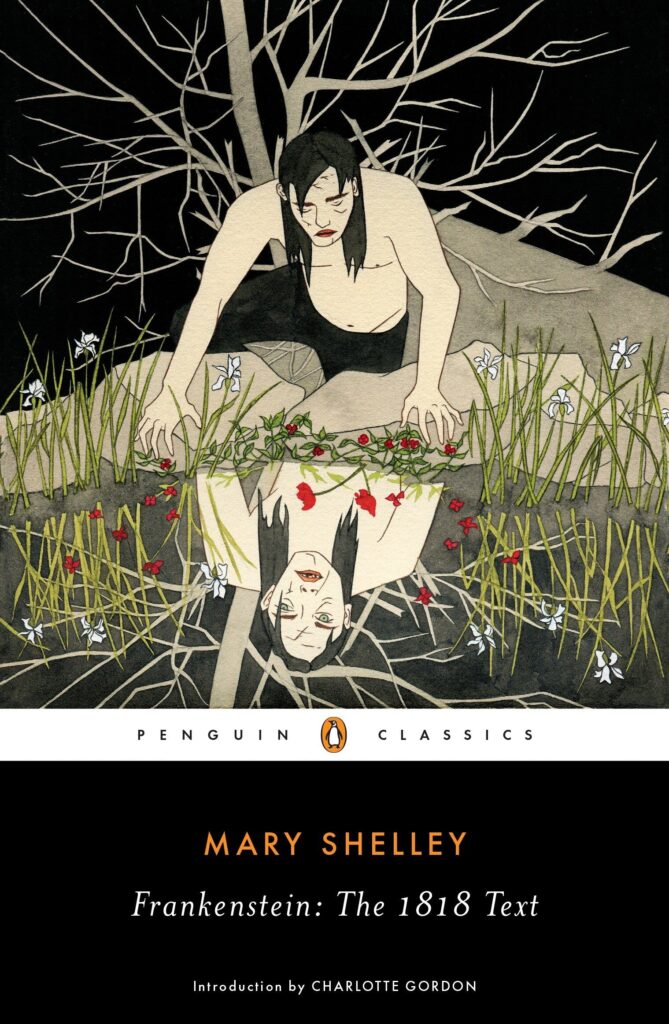
Horror powered by science and the future. Sci-fi horror sets terror against technology, space, or experiments gone wrong, finding fear in what progress unleashes. Mary Shelley's Frankenstein is often called the first true science fiction novel, and it's also a horror story.
The core fear: we built something we can't control.
Signature tropes: the experiment gone wrong, the isolated outpost, the alien, the machine that thinks.
Read this: Frankenstein by Mary Shelley for the root, or There Is No Antimemetics Division by qntm for something modern.
For authors who want big ideas and dread in equal measure.
17. Dark fantasy
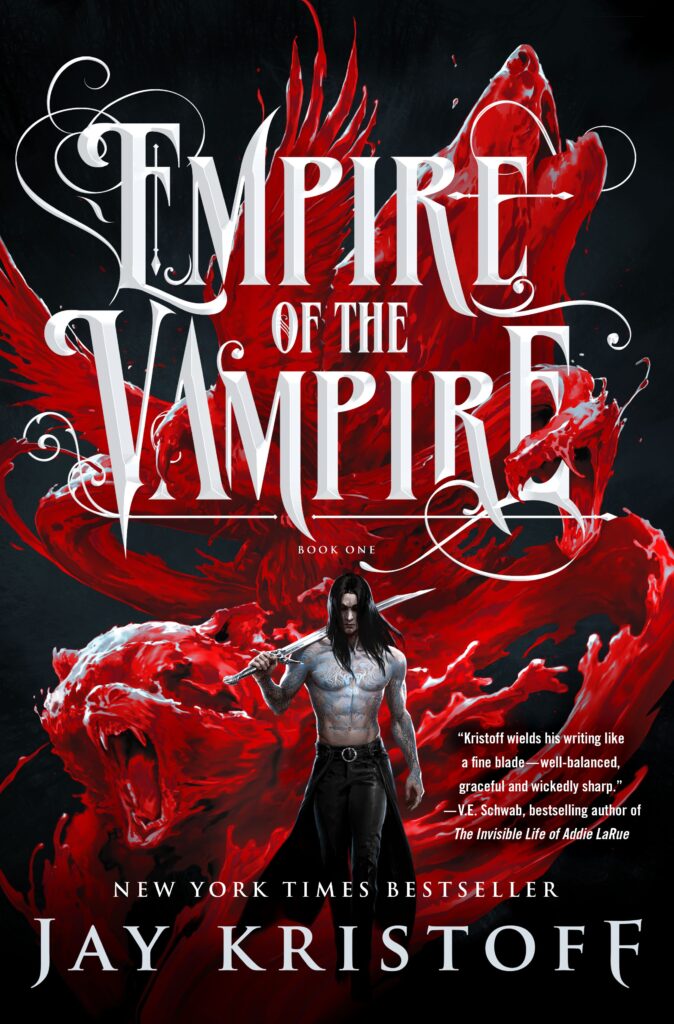
Where fantasy turns grim. Dark fantasy keeps the magic and invented worlds of fantasy but soaks them in horror's dread, moral ambiguity, and gloom. The line between dark fantasy and horror is genuinely blurry, which is part of the appeal.
The core fear: even magic can't save you from what's coming.
Signature tropes: the cursed world, monstrous magic, the bleak quest, beauty laced with menace.
Read this: Empire of the Vampire by Jay Kristoff or The Blacktongue Thief by Christopher Buehlman.
For fantasy authors who want to lean into dread and the macabre.
18. Comedy horror
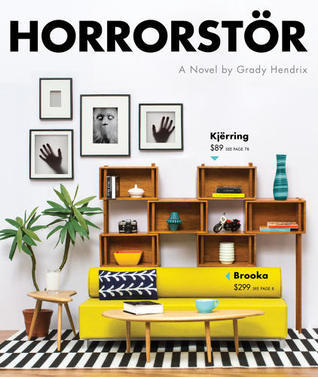
Laughter and fear, on purpose. Comedy horror uses humor to release tension, satirize the genre, or simply have fun with the conventions. Done well, the jokes make the scares land harder, not softer.
The core fear: still real, just wrapped in a grin.
Signature tropes: genre satire, the self-aware character, absurd gore, the comic escalation.
Read this: anything by Grady Hendrix, who's built a career on horror with heart and humor. On screen: Shaun of the Dead.
For authors with a sharp voice who want range between the frights.
19. Southern gothic
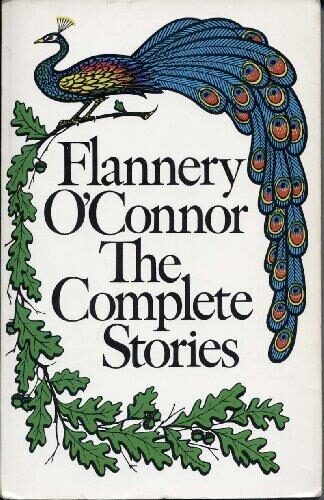
Decay with a regional accent. Southern gothic transplants gothic horror to the American South, using grotesque characters, faded grandeur, and social rot to examine guilt, history, and buried sin. The horror is as much moral as supernatural.
The core fear: the sins of a place echo through generations.
Signature tropes: the decaying estate, the grotesque, family and regional secrets, oppressive heat, inherited guilt.
Read this: the short fiction of Flannery O'Connor, or modern Southern gothic horror from authors like Tananarive Due.
For authors drawn to place, history, and character-driven dread.
20. Historical horror
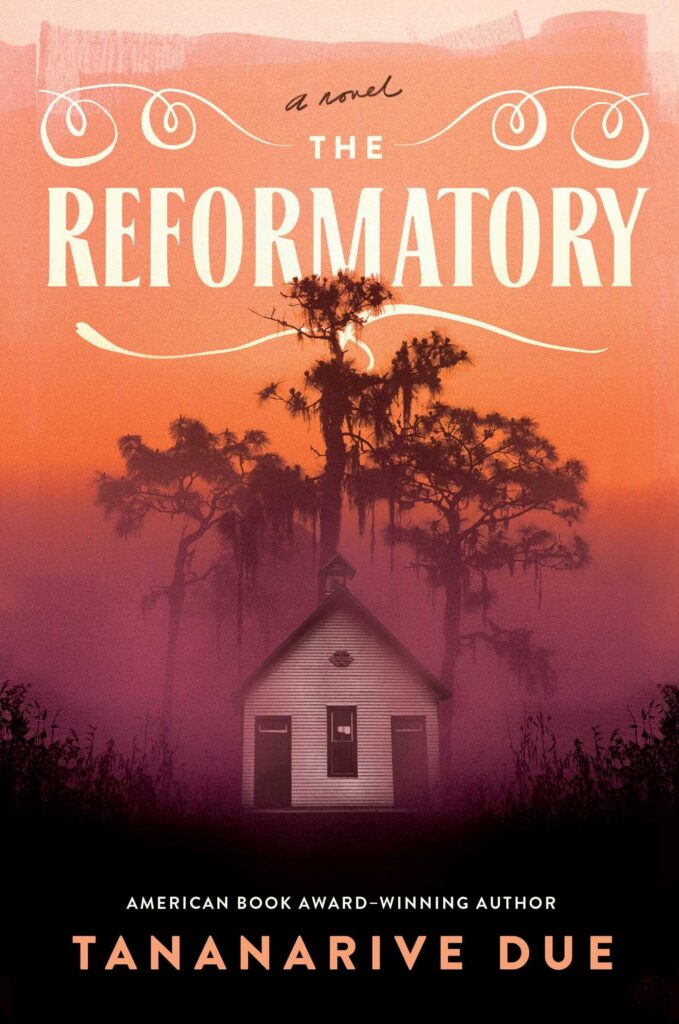
Old fears, real settings. Historical horror grounds its scares in a specific past, using the period's beliefs, brutality, and limited knowledge to deepen the dread. The lack of modern technology raises the stakes, and real history is often the most frightening element.
The core fear: there was no help, and no one would believe you.
Signature tropes: period-accurate dread, real historical atrocity, isolation by era, belief systems we've outgrown.
Read this: The Reformatory by Tananarive Due, or The Hunger by Alma Katsu.
For authors who love research and want history doing half the scaring.
Quick reference: pick your subgenre by the fear
If you know the feeling you want to leave a reader with, you already know your subgenre. Scan this table, find your fear, and start there.
| Subgenre | The core fear | Start with |
|---|---|---|
| Psychological | Can't trust your own mind | Misery |
| Gothic | The past won't stay buried | Mexican Gothic |
| Quiet | Wrongness you can't name | The Elementals |
| Body horror | Your body betraying you | The Troop |
| Splatterpunk | There are no limits | Books of Blood |
| Slasher | Hunted where you feel safe | My Heart Is a Chainsaw |
| Paranormal | Death is not the end | The Haunting of Hill House |
| Occult / witch | The people near you want something | Rosemary's Baby |
| Creature feature | A predator that hunts us | Dracula |
| Cosmic | The universe doesn't care | At the Mountains of Madness |
| Weird fiction | Reality is broken | Annihilation |
| Folk | The old ways are real | Starve Acre |
| Eco-horror | Nature is done with us | The Ruins |
| Apocalyptic | Other survivors are the threat | The Girl With All the Gifts |
| Survival | The clock is running out | I Am Legend |
| Sci-fi horror | We built what we can't control | Frankenstein |
| Dark fantasy | Even magic can't save you | Empire of the Vampire |
| Comedy horror | Fear, with a grin | Grady Hendrix |
| Southern gothic | A place's sins echo | Flannery O'Connor |
| Historical | No help was coming | The Hunger |
How to choose the right horror subgenre for your book
Choose by the fear you want to provoke and the way you naturally write, not by what's trending. The strongest horror comes from an author writing the thing that scares them most.
Three questions cut through the noise:
- What scares you? The fear you can't shake is the one you'll write with conviction. Readers feel the difference between an author who's genuinely unsettled and one who's filling a template.
- How do you like to build tension? If you love slow dread and atmosphere, lean toward gothic, quiet, or folk horror. If you love pace and shock, slasher, survival, or splatterpunk will fit your instincts better.
- Who do you want to reach? Each subgenre comes with a built-in readership and its own corners of BookTok, Reddit, and Goodreads. Knowing your reader before you write makes everything downstream, from the cover to the blurb to the ads, far easier.
You don't have to pick just one, either. Many of the best horror novels blend subgenres: folk horror with a cosmic edge, a slasher with body-horror set pieces, gothic atmosphere over a psychological core. Just be clear which fear is driving the book, so it doesn't pull in two directions.
How to write horror that actually scares (and sells)
Strong horror comes down to dread over gore, characters readers care about, and a fear that means something. The subgenre is the vessel; these fundamentals are what make it work.
Build dread, don't just deliver shocks
A jump scare lasts a second. Dread lasts the whole book. The most memorable horror spends pages making readers afraid of what might happen, so the moment it does is unbearable. Anticipation is your most powerful tool, in every subgenre.
Make readers care before you make them scared
Fear needs a target the reader is invested in. If we don't care about the character, the monster is just spectacle. Spend real time making your protagonist human and worth saving, then put them in danger. The horror lands because the loss would hurt.
Give your fear meaning
The horror that lingers is about something. Body horror about illness and aging. Folk horror about belonging and the outsider. Cosmic horror about insignificance. Decide what your monster means, and the book gains a second layer that keeps readers thinking long after the scares fade.
Respect your subgenre's contract
Each subgenre carries reader expectations, and breaking them carelessly costs you. Slasher readers want a body count and a confrontation. Cosmic readers want awe and dread, not a tidy resolution. Learn the conventions of your chosen subgenre, then decide deliberately which to honor and which to subvert.
Most authors try to figure all of this out through trial and error, and burn a year or more on a draft that never finds its footing. The faster path is to learn the structure of a marketable novel first, then pour your chosen subgenre into it. That's exactly what our Fundamentals of Fiction program teaches: how to write and publish fiction that readers finish, recommend, and remember.
Your horror novel is closer than you think
Ready to write the next best selling horror book?
You can use our horror book title generator to get started, and, if you want a dedicated book coach and help through every step of the writing, editing, marketing, and publishing process, then book a free strategy call with our team today. We've helped over 7,000 authors to publish their books, and yours could be next!
Frequently asked questions
How many horror subgenres are there?
There's no fixed number, since subgenres blend and new ones emerge, but roughly 20 are widely recognized in fiction. Grouping them by the fear they exploit (the mind, the body, the supernatural, the unknown, the world, and genre crossovers) makes the full landscape easier to navigate.
What's the difference between horror and a thriller?
A thriller is built on suspense and the question of what happens next, and the protagonist usually has a fighting chance. Horror is built on dread and fear, and often on a threat that can't be reasoned with or fully escaped. Many books blend the two, but the dominant feeling tells you which it is.
What's the difference between paranormal and supernatural horror?
The terms overlap heavily and are often used interchangeably. In practice, "paranormal" tends to point at ghosts, hauntings, and possession, while "supernatural" is the broader umbrella for anything beyond natural law, including demons, gods, and creatures. Most stories that use one would fit the other.
Which horror subgenre is most popular right now?
Folk horror, gothic horror, and psychological horror have all surged in recent years, helped by hit films and BookTok. More broadly, horror and other dark fiction categories are among the fastest-growing in publishing, with horror print sales up roughly 13% in 2025.
Can a horror novel belong to more than one subgenre?
Yes, and many of the best do. A book can be folk horror with cosmic undertones, or a slasher with body-horror elements. The key is knowing which fear is the primary engine, so the story stays focused even while it blends.
Is horror a good genre for a first-time author to self-publish?
Yes. Horror readers are loyal and read deeply within their favorite subgenres, the indie horror community is active and welcoming, and self-publishing lets new authors move fast on trends that big publishers are slow to chase. Many of today's breakout horror authors built their audience independently.