
















You did it. You published your book.
You shared the announcement on social media. Maybe you sent an email to your list. You posted a few graphics, asked friends to share, and watched the first wave of sales come in.
Then… silence.
Life got busy. Writing the next project took over. You weren’t sure what to post next. Weeks passed. Your audience stopped hearing from you. And the momentum your book desperately needed? It faded.
This is the “random posting” trap most authors fall into. They treat marketing like a burst of inspiration instead of a system. A post here. A launch push there. A last-minute email when sales slow down. But inconsistency is the fastest way to stall your growth. Algorithms reward consistency. Audiences trust consistency. And strong book marketing strategy depends on it.
The solution isn’t posting more, it’s planning better.
That’s where a content calendar changes everything.
A content calendar gives structure to your author marketing. It turns scattered ideas into intentional social media content planning. It helps you stay visible without feeling overwhelmed. And most importantly, it transforms your marketing from reactive to strategic.
In this article, you’ll learn exactly what a content calendar is, why authors need one, how it directly supports book sales, and how to build one step-by-step so your book doesn’t just launch… it lasts.
What is a content calendar?

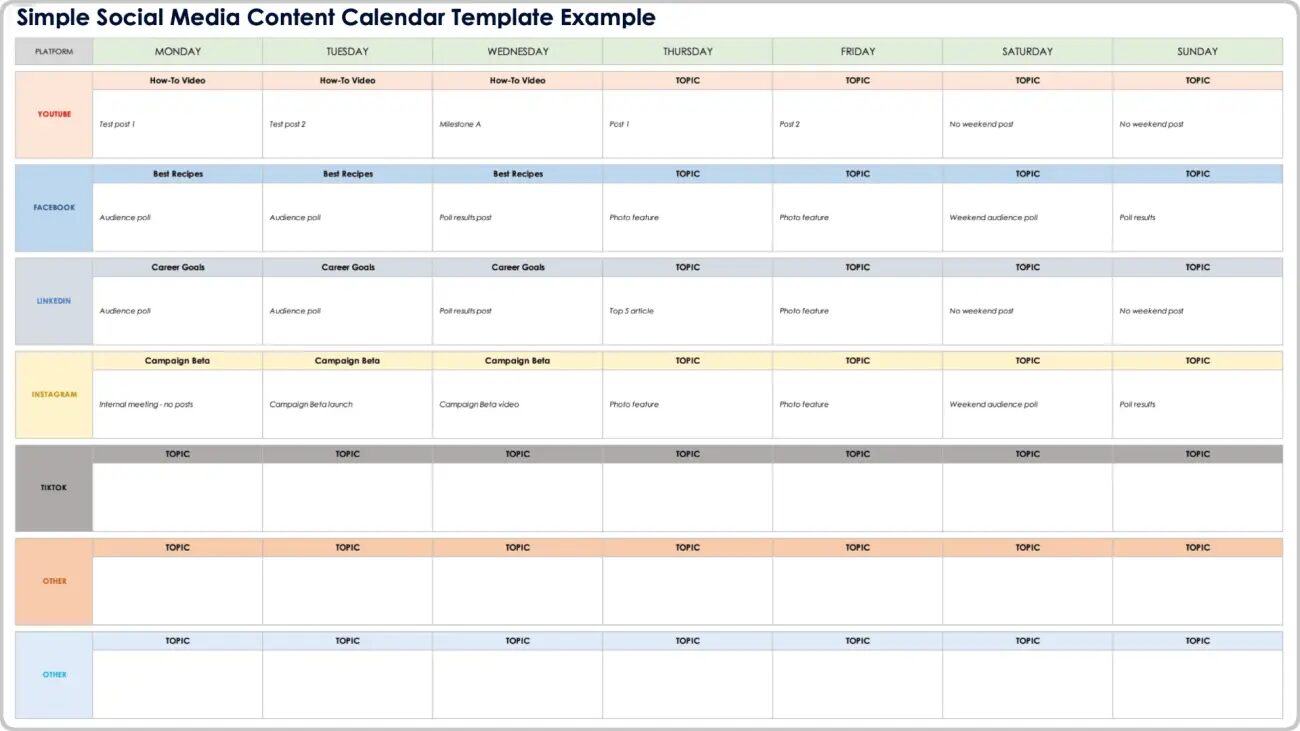
At its core, a content calendar is a strategic plan that maps out everything you share to promote your book and grow your author brand. It answers four essential questions:
- What you’re posting
- Where you’re posting it
- When you’re posting it
- Why you’re posting it
Think of it as more than a spreadsheet or a simple checklist. A content calendar is a marketing roadmap. It’s a way to organize your ideas, ensure consistent messaging, and align your marketing activities with your book goals. Without one, even the best content can fall flat or get lost in the noise of social media and email inboxes.
What a content calendar includes
A robust author content calendar typically covers multiple channels and types of content, such as blog posts to drive traffic and establish authority, social media posts to engage readers, and email newsletters to nurture your audience and encourage pre-orders or sales.
It can also include book promotions highlighting launches, discounts, or special offers, or launch campaigns coordinating announcements across channels.
You should also add in any podcast appearances, speaking events, or seasonal promotions to your content calendar.
What a content calendar is not
It’s important to clarify what a content calendar doesn’t do:
It’s not random posting or a “post when you feel inspired” approach
It’s not copying trends blindly without a clear strategy
It’s not an afterthought or something you “throw together” at the last minute
For authors, the difference is critical. A content calendar transforms your marketing from sporadic bursts of activity into a cohesive, intentional plan. Instead of hoping your book sells, you’re strategically creating visibility and connecting with readers in meaningful ways.
Why authors need a content calendar
Publishing a book is a huge accomplishment, but it’s only the beginning of the journey. Many authors assume that once their book is out in the world, readers will automatically discover it.
The truth is, books don’t sell themselves.
Visibility drives sales, and consistency builds trust with your audience. Posting sporadically or waiting until inspiration strikes is not enough.
Social media algorithms favor regular engagement, email subscribers expect consistent communication, and readers are more likely to buy when they see your presence consistently across multiple channels.
A content calendar ensures that you are consistently showing up in front of your audience, helping your book maintain momentum long after the launch date.
A content calendar also supports the bigger picture: building your author brand. Marketing a book isn’t just about one title, it’s about creating long-term recognition and authority in your niche. By planning your content strategically, you can establish yourself as a thought leader, grow an engaged email list, and cultivate a loyal audience that is eager to read your future books.
With a calendar, every post, email, and blog article reinforces your brand voice and positions you as an expert, while also generating evergreen content that continues to attract readers months or even years after the initial launch.
Another key benefit is that a content calendar prevents burnout.
Many authors fall into a familiar pattern: they launch a book with tremendous energy, post constantly for a couple of weeks, then disappear for months. Without a plan, creating content can feel overwhelming and unsustainable.
A content calendar reduces decision fatigue by mapping out what to post and when. It eliminates last-minute scrambling and gives you a sustainable rhythm, so you can engage your audience consistently without exhausting yourself..
As an author, your content calendar turns one book into months of marketing material. Every chapter, story, or lesson in your book can become multiple pieces of content: blog posts, social media updates, email newsletters, quote graphics, short-form videos, or discussion prompts for your audience.
When planned strategically, a single book can fuel consistent content for weeks or months, maximizing its reach and impact. In short, your book is a content goldmine, and a content calendar is the tool that unlocks it, ensuring your work gets the visibility and engagement it deserves.
How a content calendar helps you sell more books
Publishing a book is just the first step. The real challenge (and the real opportunity) lies in marketing it effectively. This is where a content calendar becomes a powerful tool, directly impacting book sales and ROI.
By planning your content strategically, you ensure your messages reach the right audience at the right time.
One of the most important ways a content calendar drives sales is by creating repeated exposure. Marketing research consistently shows that people need multiple touchpoints before making a purchase.
Your audience isn’t likely to buy the first time they hear about your book, but repeated visibility builds trust and interest. With a content calendar, every blog post, email, and social media update is mapped to reinforce your themes and consistently include clear calls-to-action. Over time, this structured repetition increases the likelihood that a casual reader becomes a paying customer.
A content calendar also helps you move readers through a marketing funnel. Each type of content has a role: educational posts introduce your expertise, storytelling and behind-the-scenes content build personal connection, and direct promotional posts create opportunities to convert interest into sales.
By planning this funnel in advance, you can ensure that every piece of content contributes to guiding readers toward buying your book rather than leaving it to chance.
A content calendar is critical for a successful book launch. Launching a book is a coordinated campaign. A calendar allows you to build anticipation weeks or even months in advance, warm up your audience 60–90 days before launch, plan cover reveals, manage pre-order campaigns, and schedule the sharing of testimonials and early reviews.
When executed thoughtfully, this strategy creates momentum and maximizes sales during the most crucial period.
What should be in an author’s content calendar
For authors, a content calendar is most valuable when it includes all the channels and types of content that will keep readers engaged and consistently exposed to your book. It’s not enough to post sporadically. Every piece of content should serve a purpose in your marketing strategy.
One of the most important elements of your content calendar is educational content.
Readers are drawn to authors who provide value beyond the pages of their book. This could be tips, how-to guides, or insights related to your book’s topic.
For example, if your book is about productivity, you might share weekly tips, short blog posts, or infographics that break down your methods.
Equally effective is personal and storytelling content. Readers love to connect with the person behind the book. Share your writing journey, challenges you faced during the creation of your book, or moments that inspired chapters. These stories humanize you and help your audience feel invested in your success.
Another key piece is authority-building content. This includes interviews, podcast appearances, guest blogs, speaking engagements, and reviews. Scheduling this content in your calendar ensures you leverage opportunities to position yourself as a thought leader. Each feature you appear in extends your reach to new audiences and lends credibility to your author brand.
Of course, direct promotional content must also have a place. Plan when to announce your book launch, highlight pre-orders, run special promotions, or share milestones like bestseller lists or positive reviews. But balance is crucial. Promotion should be strategic and purposeful, not overwhelming.
Finally, don’t forget email-specific content. Your newsletter is one of your most powerful tools because it reaches your audience directly, bypassing algorithms. Plan regular newsletters with a mix of educational tips, personal stories, and promotional updates. Over time, this helps cultivate a loyal reader base who will support your current and future books.
Tools authors can use for content calendars
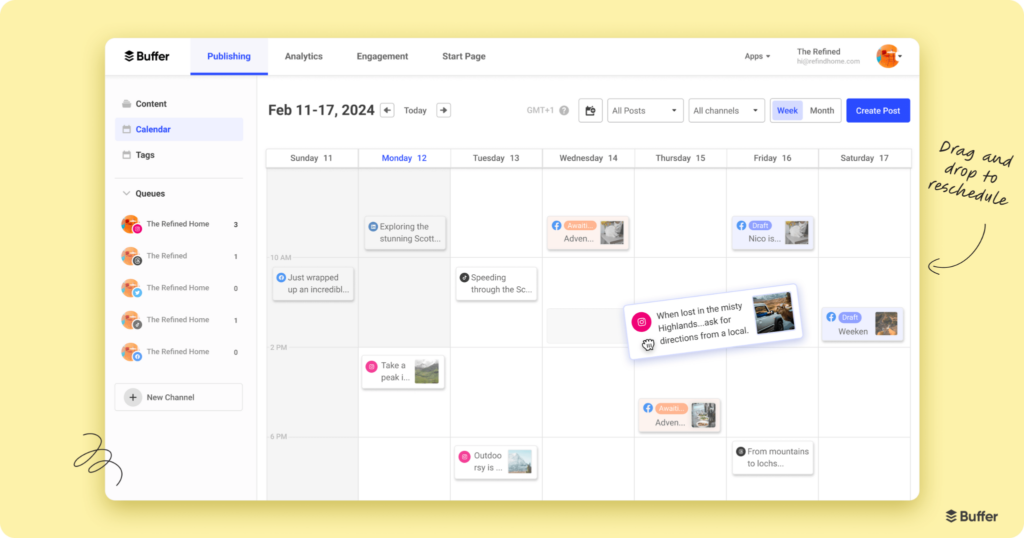
One of the great things about content calendars is that you don’t need expensive software or complicated systems to get started. What matters most is consistency and planning, not the tool itself. That said, there are a variety of platforms that can help authors organize their content efficiently.
For authors who prefer simplicity, Google Sheets or Excel can be powerful. They allow you to create customizable tables to track your blog posts, social media updates, emails, and book promotions all in one place.
If you want something a little more dynamic, Notion offers flexible templates for calendars, task lists, and content tracking, while Trello uses a visual board system that makes it easy to move posts through stages like “Draft,” “Scheduled,” and “Published.”
For teams or authors who prefer project management features, Asana and Airtable provide more robust options, including collaboration tools, deadlines, and reminders.
And when it comes to publishing, scheduling tools like Buffer, Later, or Hootsuite can help you plan posts across multiple social media platforms in advance, saving time and reducing last-minute stress.
Ultimately, the best tool is the one you’ll actually use consistently. A content calendar only works if it becomes part of your regular marketing routine, keeping you organized and ensuring your book reaches readers consistently.
Marketing your book starts with a plan
Publishing a book is an incredible achievement, but without a clear strategy, even the best content can get lost in the noise. A content calendar transforms your marketing from sporadic bursts of activity into a consistent, strategic system that drives visibility, engagement, and sales.
By planning your posts, emails, blogs, and promotions in advance, you create repeated exposure that builds trust with your audience. You guide readers through a thoughtful journey from discovering your book to becoming loyal fans.
A content calendar also prevents burnout, keeps your messaging aligned across multiple channels, and turns every chapter, story, or lesson into months of valuable content.
For authors who want to maximize the impact of their book, the time to act is now. Consistency is key, and a well-organized content calendar ensures your hard work doesn’t go unnoticed. Every post, newsletter, or social share becomes part of a larger, cohesive strategy that moves readers closer to purchasing your book.
If you’re ready to take your marketing to the next level and turn your book into a long-term success, start by building a content calendar. It’s the roadmap that keeps your audience engaged, your messaging clear, and your book sales growing – chapter by chapter, post by post.