
















TL;DR
Hero archetypes are the recurring protagonist patterns readers already recognize: the reluctant hero, tragic hero, archetypal hero, anti-hero, unlikely hero, trickster, and redeemed hero. Each one carries a built-in promise about how your character will change. Pick the archetype that matches the flaw you want to break, then subvert one expectation so the hero feels new instead of borrowed.
Your protagonist is brave, likable, and technically well built. Readers still put the book down at chapter 4.
That usually isn't a character problem. It's a pattern problem.
Readers show up already carrying templates for what a hero is and how one changes. When your protagonist doesn't map onto any of them, the story feels shapeless and nobody can tell where it's going. When it maps too neatly, the story feels borrowed and nobody needs to keep reading to find out.
Hero archetypes are those templates. This guide covers the 7 that show up most in fiction, what each one promises a reader, the examples worth studying, a 5-step method for choosing the right one, and the mistakes that flatten a good character into a stock figure.
Use them as scaffolding, not costumes.

What is a hero archetype?
A hero archetype is a repeating protagonist pattern, like the reluctant hero or trickster, that readers recognize instantly and use to predict the story.
The shortest useful hero archetype definition: a hero archetype is a template for how a protagonist relates to their own call to action. Not a personality type. Not a set of traits. A relationship to change.
That distinction matters more than anything else on this page. “Brave, loyal, good with a sword” is a character sheet. “Refuses the call until refusing costs more than acting” is an archetype, because it tells you what the character does under pressure and roughly when they'll do it.
Where the idea comes from
Three sources do most of the work behind every list of hero types you'll find online:
- Carl Jung proposed that certain character patterns recur across unrelated cultures because they come from a shared layer of human psychology. He called these archetypes and published his core work on them in the 1930s through the 1950s.
- Joseph Campbell published The Hero with a Thousand Faces in 1949, arguing that myths worldwide share one structure he named the monomyth: departure, initiation, return.
- Christopher Vogler turned Campbell's academic work into a practical writing tool in The Writer's Journey (1992), which is why so much modern screenwriting and novel craft advice sounds like Campbell with better bullet points.
You don't need to read all three to use archetypes well. You do need the takeaway: these patterns persist because they encode how humans actually change, which is why readers respond to them without knowing why.
Archetype vs. stereotype vs. trope
Writers collapse these three constantly, and it costs them.
| Term | What it is | Effect on the reader |
|---|---|---|
| Archetype | A structural pattern of change | Orientation. Readers know what kind of story they're in. |
| Trope | A recognizable narrative device or beat | Recognition. Can delight or bore depending on execution. |
| Stereotype | A fixed set of surface traits assigned by category | Flattening. Readers disengage because nothing can surprise them. |
An archetype is load-bearing structure. A stereotype is wallpaper. You can build a great character on the first one, and the second one will collapse your character no matter how good your prose is.
The 7 hero archetypes at a glance
These 7 hero types cover most protagonists in fiction: reluctant, tragic, archetypal, anti-hero, unlikely, trickster, and redeemed. Each solves a different storytelling problem.
Before the detail, here's the whole map. If you're scanning for the different types of heroes and which one fits your draft, start here and then read only the sections that apply.
| Hero archetype | Core tension | What readers expect | Classic example | Best for |
|---|---|---|---|---|
| Reluctant hero | Fear vs. duty | They'll say no, then be forced to say yes | Frodo Baggins | Ordinary-world openings, epic scope |
| Tragic hero | Greatness vs. fatal flaw | They'll fall, and it will be their own fault | Hamlet | Literary fiction, cautionary arcs |
| Archetypal hero | Self vs. destiny | They'll be tested, transformed, and return changed | Odysseus | Fantasy, adventure, series fiction |
| Anti-hero | Right outcome vs. wrong methods | They'll do good things for bad reasons | Holden Caulfield | Crime, thriller, modern literary |
| Unlikely hero | Insignificance vs. consequence | The weakness becomes the weapon | Bilbo Baggins | Middle grade, YA, underdog stories |
| Trickster hero | Wit vs. power | They'll cheat, and we'll be glad | Br'er Rabbit | Comedy, satire, heist, folklore |
| Redeemed hero | Past vs. possibility | They'll pay for what they did | Ebenezer Scrooge | Redemption arcs, second-act pivots, series villains turned allies |
One thing to notice
These categories overlap on purpose. Odysseus is an archetypal hero and a trickster. Bilbo is unlikely and reluctant. Overlap isn't sloppiness, it's where the interesting characters live. More on stacking them in the mistakes section.
The reluctant hero
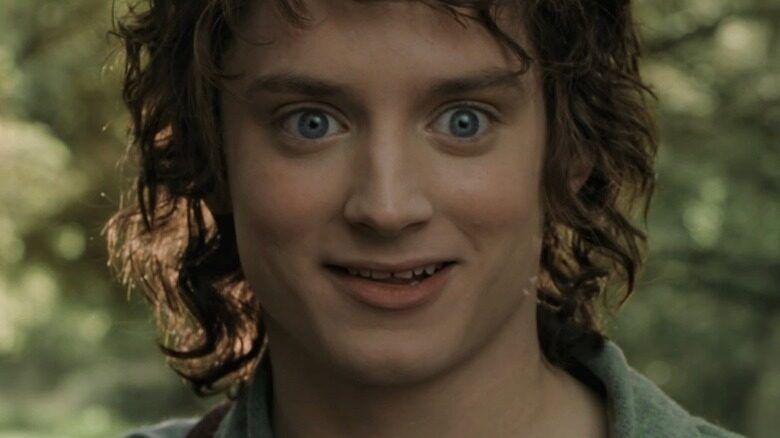
The reluctant hero refuses the call to adventure, then accepts it when refusing costs more than acting. Their arc converts fear into responsibility.
The reluctant hero archetype is the most widely used pattern in commercial fiction, and for a practical reason: it buys you a believable ordinary world before the plot starts. Readers get to meet the character as a person before they meet them as a hero.
The refusal is the whole engine. A hero who leaps at the quest tells you nothing. A hero who says no and means it forces the story to make an argument, and whatever finally changes their mind becomes the thematic spine of the book.
How it works on the page
- Establish what they'd lose. The reluctance has to cost something real: a farm, a family, a quiet life they actually like.
- Make the refusal legitimate. If readers think the character is being cowardly rather than reasonable, they stop rooting for them.
- Close the exits. Don't persuade them. Remove the option of staying.
- Let the reluctance leave a residue. They should still want to go home in act 3. That ache is what makes the ending land.
Examples worth studying
- Frodo Baggins in The Lord of the Rings. He volunteers, but every step after is negotiated against the pull of the Shire.
- Katniss Everdeen in The Hunger Games. She volunteers to save her sister, then spends two more books refusing to become a symbol.
- Jonah in the Hebrew Bible. The oldest recorded version of the pattern, and still the most economical: called, flees, is returned, complies, resents it.
If your protagonist has no good reason to stay home, you don't have a reluctant hero. You have a delay.
The tragic hero
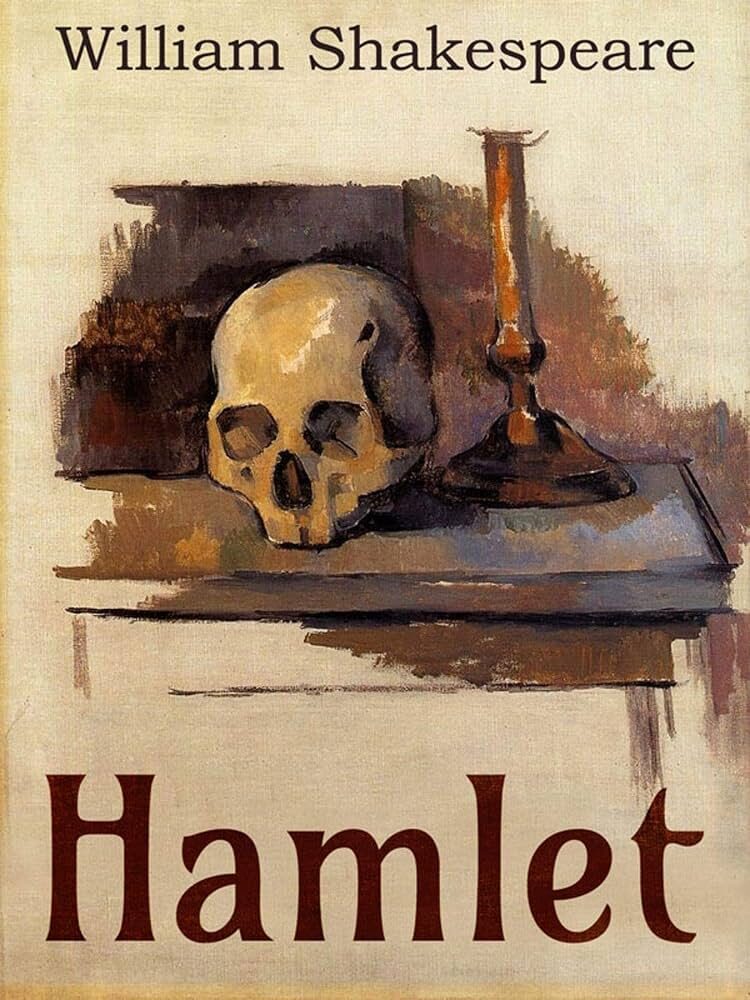
The tragic hero has genuine greatness and one fatal flaw. The trait that makes them exceptional is the trait that destroys them.
Aristotle described this pattern in the Poetics roughly 2,300 years ago, and nobody has improved on the mechanics since. The tragic hero must be admirable enough that the fall hurts, and responsible enough that the fall is earned. Miss either condition and you get melodrama or a morality tale.
The flaw is not a weakness bolted on for balance. It is the same quality as the strength, turned one degree too far. Macbeth's ambition makes him formidable and then makes him a murderer. Hamlet's intellect makes him the most interesting man in Denmark and then makes him unable to act.
The 4 required ingredients
- Stature. They have something worth losing: a throne, a reputation, a marriage, a self-image.
- Hamartia. The flaw, usually hubris, obsession, or misplaced loyalty.
- Recognition. A moment where they see what they've done. Without this, it's just a bad ending.
- Catharsis. The reader's release. They should close the book shaken, not merely informed.
This archetype rewards depth more than any other on the list, which is why it dominates literary fiction and prestige drama. If you want the full mechanics, we break the pattern down in detail in our guide to what makes a tragic hero.
Archetypal hero
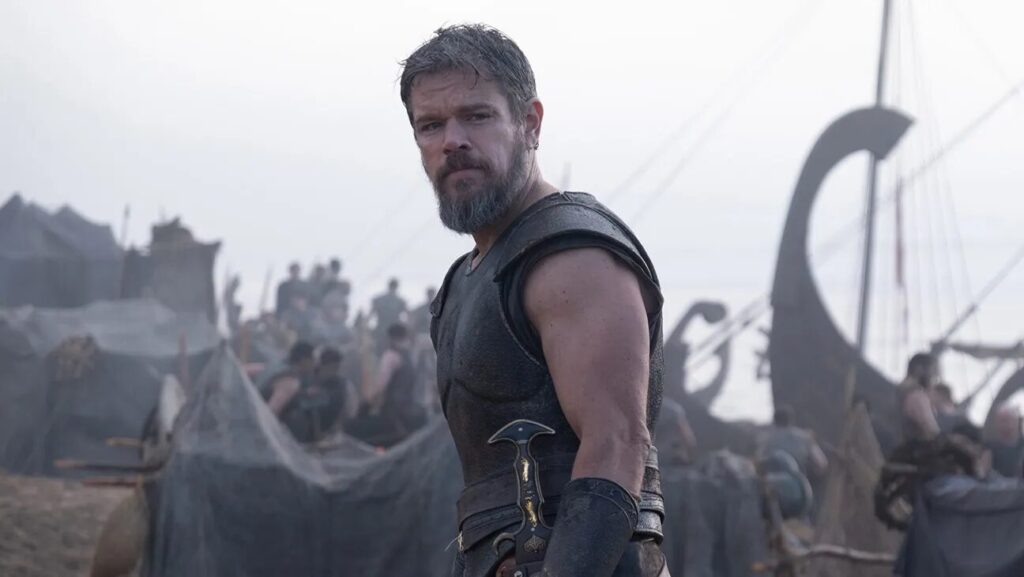
The archetypal hero is the classical model: called to a quest, tested by trials, transformed by the journey, and returned home changed.
When people talk about the hero's journey, this is the character they mean. The archetypal hero is the baseline against which every other pattern on this list is a variation. Courage, competence, a working moral compass, and a quest bigger than themselves.
Modern writers often treat this archetype as the boring one. That's a misread. The archetypal hero is hard, not boring. Because the character starts admirable, you can't lean on the cheap tension of wondering whether they'll do the right thing. You have to generate tension from cost instead: what does doing the right thing take from them?
The 3-act shape it implies
- Departure. They leave the known world, usually losing a mentor or an illusion on the way out.
- Initiation. Escalating trials, at least one of which they fail. The failure is not optional.
- Return. They come back with something the community needs, and they no longer fit the place they left.
Examples worth studying
- Odysseus in the Odyssey. The template, and notably also a trickster.
- Beowulf. Nearly pure archetype, which is exactly why the poem's power comes from his final failure.
- Aragorn in The Lord of the Rings. Tolkien's answer to the question of what an archetypal hero costs: 60 years of refusing his own crown.
The anti-hero
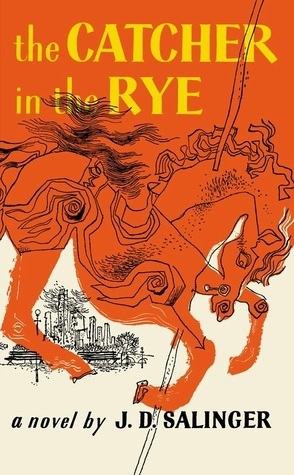
The anti-hero does heroic things for unheroic reasons. Readers root for them without approving of them, which is what makes them addictive.
The anti-hero is the most misused archetype in modern fiction, because writers hear “flawed protagonist” and stop there. A flaw doesn't make an anti-hero. What makes an anti-hero is a genuine gap between their motives and their effects.
They save the town because they need the money. They tell the truth because a lie is inconvenient. They protect someone because of a debt nobody else knows about. The good outcome is real. The reason behind it would not survive daylight.
What separates an anti-hero from a villain
| Anti-hero | Villain | |
|---|---|---|
| Reader position | Aligned with them | Opposed to them |
| Net effect on the world | Broadly positive | Broadly destructive |
| Self-awareness | Usually knows what they are | Usually believes they're justified |
| Line they won't cross | Has one, and we find out what it is | Doesn't, or discards it |
That last row is the one to write toward. An anti-hero without a line is a villain with better lighting. Find the thing they won't do, hide it until the third act, then make the plot demand it.
Examples worth studying
- Holden Caulfield in The Catcher in the Rye. Unreliable, self-pitying, cruel to people who like him, and impossible to abandon.
- Severus Snape in the Harry Potter series. Not the protagonist, but the cleanest demonstration in popular fiction of motives and effects pulling in opposite directions for 7 books.
- Tom Ripley in The Talented Mr. Ripley. Patricia Highsmith's experiment in how far reader alignment stretches before it snaps.
The unlikely hero
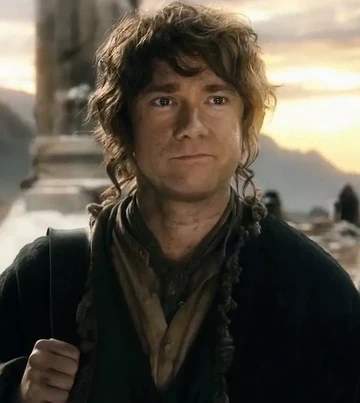
The unlikely hero has no qualifications for the job and wins anyway, using traits the story first framed as weaknesses or irrelevant quirks.
The unlikely hero is the most reliably satisfying archetype in fiction, and the reason is unflattering to all of us: readers want evidence that ordinary people matter. Every unlikely hero story is an argument that the reader might also be equal to something.
The craft requirement here is strict. The trait that wins in act 3 must be present and dismissed in act 1. Bilbo's comfort-loving domesticity is played as a joke early and turns out to be the thing that makes him incorruptible. Set that up, and the ending feels inevitable. Skip it, and the ending feels like you cheated.
How to build one that works
- Name the disqualification out loud. Somebody in the story should say why this person is the wrong choice.
- Plant the real asset early, as a flaw. Stubbornness, softness, curiosity, an obsessive memory for useless detail.
- Let them fail at the conventional test. They should be genuinely bad at whatever the qualified hero would be good at.
- Make the climax unanswerable by conventional strength. If a stronger character could have solved it, you've written the wrong climax.
Examples worth studying
- Bilbo Baggins in The Hobbit. Recruited as a burglar with no burglary skills, wins on nerve and decency.
- Celie in The Color Purple. Powerless by every external measure, and the novel's moral center throughout.
- Arthur Dent in The Hitchhiker's Guide to the Galaxy. Proof the archetype survives being played entirely for comedy.
Trickster hero
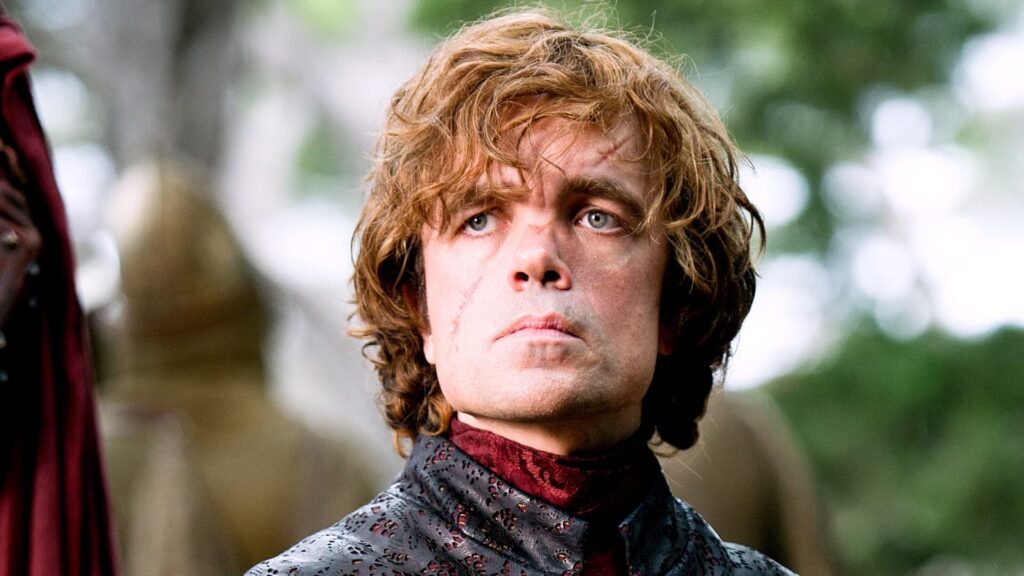
The trickster hero wins with wit instead of force. They break rules, expose hypocrisy, and solve problems the powerful characters cannot.
The trickster is the oldest archetype in world storytelling and shows up independently across cultures: Anansi in West African folklore, Br'er Rabbit in the African American tradition, Loki in Norse myth, Coyote across Indigenous North American traditions, Puck in Shakespeare.
Tricksters exist because every society has rules, and every audience needs a figure who can break them without being punished for it. That's their structural job: they say the thing the story otherwise can't say.
The 2 rules tricksters need
- They must be genuinely outmatched. A trickster with real power is just a bully with jokes. Their cleverness has to be the only weapon available.
- The trick must cost them something. Otherwise the reader feels no risk, and the cleverness reads as authorial showing off rather than character.
Tricksters are also the hardest archetype to sustain across a long book, because cleverness gets predictable fast. The usual solution is to let a trick fail badly at the midpoint and force them to win the ending some other way.
Examples worth studying
- Odysseus. The Trojan horse, the Cyclops, the name “Nobody.” Trickery as a survival strategy, not a personality.
- Tyrion Lannister in A Song of Ice and Fire. Physically outmatched in every scene, wins with language.
- Huckleberry Finn. Lies constantly, and the lies are the book's moral instrument.
The redeemed hero
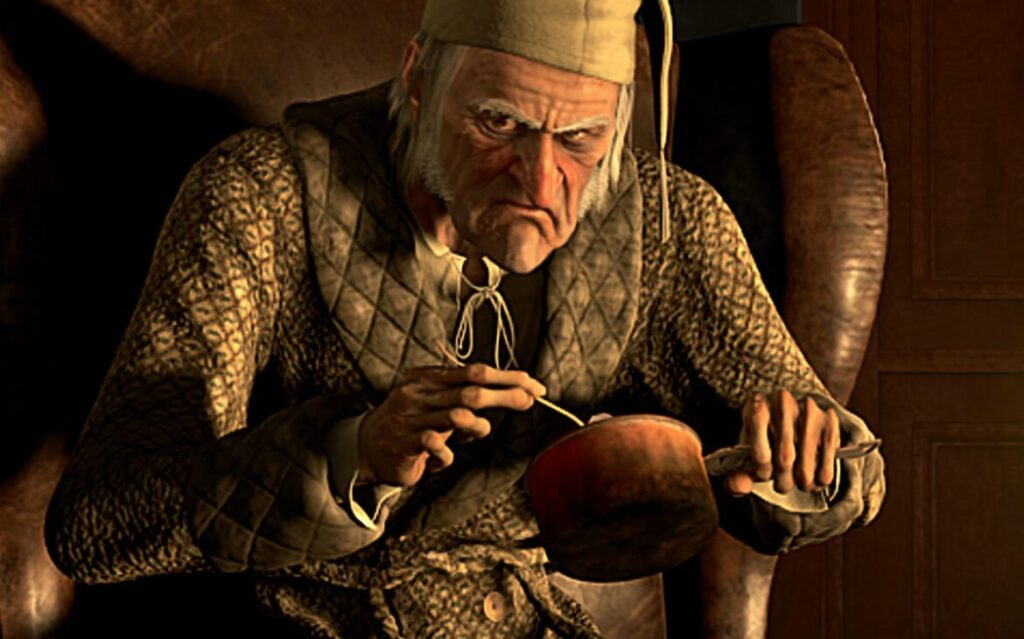
The redeemed hero starts on the wrong side of the moral line and earns their way back through costly, irreversible acts of sacrifice.
Redemption is the archetype readers want most and writers botch most often. The failure mode is almost always the same: the character apologizes, feels bad, and is forgiven. That's not redemption. That's an admission.
Redemption requires payment, and the payment has to hurt in the specific currency the character values. Scrooge doesn't just feel sorry, he spends money, which is the one thing that was ever real to him. Jean Valjean doesn't just reform, he surrenders his freedom repeatedly, including at the exact moment he finally has a life worth keeping.
The redemption test
Before you write the arc, answer these 3 questions. If any answer is vague, the redemption won't land:
- What did they actually do? Specific, named, on the page. Vague past sins produce vague redemption.
- What do they value most? That's the currency the payment has to come out of.
- What can they never get back? Redemption is not restoration. Something stays broken, and the character lives with it.
Examples worth studying
- Ebenezer Scrooge in A Christmas Carol. The tightest redemption arc in English literature, executed in about 30,000 words.
- Jean Valjean in Les Misérables. Redemption as a lifetime of repeated choices rather than a single turn.
- Eustace Scrubb in The Voyage of the Dawn Treader. C.S. Lewis makes the internal change literal and physical, which is a useful trick for middle grade and YA.
Who this section is for: if you're 30,000 words into a draft and your protagonist still feels flat, the problem is usually structural, not stylistic. Before you rewrite prose, map your hero against the table above and find the archetype you're accidentally halfway into.
Our character bio template is built for exactly this pass, and the guide to character types covers the supporting cast your hero needs to push against.
Hero archetype examples
The clearest hero archetype examples come from books readers already know: Bilbo Baggins, Hamlet, Scrooge, Odysseus, Snape, and Katniss Everdeen.
Studying types of heroes in literature works better when you look at how a specific author solved a specific problem. Here are 8 to reverse-engineer, with the craft lesson in each.
| Character | Work | Archetype | The craft lesson |
|---|---|---|---|
| Bilbo Baggins | The Hobbit | Unlikely + reluctant | The trait mocked in chapter 1 (loving comfort) is the trait that makes him resistant to the Ring's pull. Plant early, pay off late. |
| Hamlet | Hamlet | Tragic | The flaw is inseparable from the gift. His mind is why we love him and why everyone dies. |
| Severus Snape | Harry Potter | Anti-hero | Sustained misdirection. Every cruel act is later revealed to have a defensible motive, and the cruelty was still real. |
| Ebenezer Scrooge | A Christmas Carol | Redeemed | Redemption is measured in the character's own currency. For a miser, that means money. |
| Odysseus | The Odyssey | Archetypal + trickster | Two archetypes stacked. The classical structure gives shape, the trickster traits give personality. |
| Katniss Everdeen | The Hunger Games | Reluctant | Reluctance can persist past act 1. She resists her own symbolic role for the entire trilogy. |
| Jean Valjean | Les Misérables | Redeemed | One redemptive act isn't a redemption arc. He chooses it again and again, each time at higher cost. |
| Tyrion Lannister | A Song of Ice and Fire | Trickster + anti-hero | Cleverness only reads as heroic when the character is genuinely outmatched in every other way. |
Try this
Pick the character on this list closest to your protagonist. Write one paragraph explaining why your hero isn't them. That paragraph is usually your book's actual premise.
How to choose the right hero archetype for your book
Choose the archetype by working backward from the ending: decide what your protagonist must learn, then pick the pattern that makes that lesson expensive.
Most writers pick an archetype the wrong way round. They choose the hero they find appealing, then discover 40,000 words in that the pattern doesn't support the ending they wanted. Reverse it.
Step 1: Write your ending in one sentence
Not the plot resolution. The character resolution. “She stops protecting people who never asked to be protected.” That's an ending.
Step 2: Identify the belief that has to break
Work backward from step 1. What does your character believe on page 1 that they cannot still believe on the last page? That belief is your real antagonist.
Step 3: Match the belief to the pattern
Each archetype is optimized for breaking a specific kind of belief:
- “This isn't my problem” → reluctant hero
- “I'm right about this” → tragic hero
- “I can't do this” → unlikely hero
- “Nothing I do matters morally” → anti-hero
- “I'm beyond forgiveness” → redeemed hero
- “The rules protect me” → trickster hero
- “I'm ready for this” → archetypal hero
Step 4: Subvert exactly one expectation
Take the reader's default assumption about your chosen archetype and break it. One, not five. A reluctant hero whose reluctance turns out to be correct. A tragic hero who survives and has to live in the wreckage. Break more than one and readers lose the orientation the archetype was supposed to give them.
Step 5: Pressure-test it against your outline
Run your chosen archetype against your act breaks. If your reluctant hero has already committed by chapter 3, the pattern isn't doing any work and you've mislabeled your character. Our guide to outlining a book covers how to structure those beats, and the elements of fiction covers how archetype interacts with plot, setting, and theme.
Common mistakes with hero archetypes
The most common mistake is treating an archetype as a personality instead of a structure, which produces protagonists who feel borrowed rather than alive.
These are the 6 failures we see most often in first drafts:
1. Using the archetype as a character description
“He's a reluctant hero” is not characterization. It's a category. The reluctance needs a specific, personal reason nobody else in fiction has.
2. Stacking too many archetypes
Two can work well together, as Odysseus and Tyrion show. Four is not a complex character, it's an undecided one. Pick a primary and let the others be seasoning.
3. Confusing a flaw with an anti-hero
A hero who drinks too much is a hero with a problem. An anti-hero has a gap between what they want and what they accomplish. Different machines entirely.
4. Skipping the setup for the payoff
The unlikely hero's winning trait must be visible and dismissed in act 1. Introduce it in act 3 and you haven't written a payoff, you've written a coincidence.
5. Cheap redemption
Remorse is not payment. If your redeemed hero ends the book with everything they had plus forgiveness, no redemption occurred.
6. Writing the archetype instead of the person
The archetype tells you the shape of the arc. It tells you nothing about how your character talks, what they notice, or what they're embarrassed about. That's your job, and it's the part readers actually remember. Our guide to show, don't tell writing covers how to get that on the page.
Hero archetypes in literature: final thoughts
Hero archetypes persist because they encode how people actually change. Use them for structure, then break one expectation so the character feels specific.
Two forces explain why these patterns have outlasted every literary movement that tried to retire them.
The first is that readers need to believe individual action matters. Every hero archetype is a version of that argument, which is why the patterns show up independently in cultures that never traded stories.
The second is that readers keep demanding more moral complexity. That's why the list has grown. The archetypal hero came first, then the tragic hero complicated him, then the anti-hero and the redeemed hero complicated that. The trend is one direction: toward heroes who look more like the people reading about them.
Which means the safest bet for your own book is also the most interesting one. Take a pattern readers know, then give them a hero who honors the shape and breaks the assumption.
Your hero is closer than you think
Most writers don't fail at character because they lack talent. They fail because they're building a protagonist without a structure underneath, then rewriting prose to fix a problem prose can't fix. Fundamentals of Fiction gives you the frameworks, the outline, and a coach who's seen the mistake you're about to make. We've helped authors publish over 7,000 books, and yours could be next.
Frequently asked questions about hero archetypes
What is a hero archetype in simple terms?
A hero archetype is a repeating pattern for how a protagonist responds to a call to action and changes because of it. It describes structure, not personality, which is why two characters sharing an archetype can feel nothing alike.
How many hero archetypes are there?
There's no fixed count, because the number depends on how finely you slice the categories. Most writing frameworks land on somewhere between 6 and 12. The 7 covered here (reluctant, tragic, archetypal, anti-hero, unlikely, trickster, and redeemed) account for the overwhelming majority of protagonists in published fiction.
What's the difference between hero archetypes and the hero's journey?
Hero archetypes describe the character. The hero's journey describes the plot. Joseph Campbell's monomyth is a sequence of story beats, while an archetype is the pattern of the person moving through them. You can run any archetype through the hero's journey structure.
Is an anti-hero the same as a villain?
No. Readers are aligned with an anti-hero and opposed to a villain. An anti-hero produces broadly positive outcomes through questionable motives and has at least one line they won't cross. A villain either has no such line or abandons it.
What's the difference between a reluctant hero and an unlikely hero?
A reluctant hero doesn't want the job. An unlikely hero isn't qualified for it. Those are separate problems, and many great characters have both, including Bilbo Baggins and Frodo Baggins.
Which hero archetype is the most popular?
The reluctant hero, by a wide margin in commercial fiction and film. It lets you establish an ordinary world and a likable character before the plot forces a change, which solves the hardest problem in any first act.
Can a character be more than one hero archetype?
Yes, and the best ones usually are. Odysseus is an archetypal hero and a trickster. Tyrion Lannister is a trickster and an anti-hero. Stack 2 at most, with a clear primary. Beyond that, readers lose the orientation the archetype was supposed to provide.
Do hero archetypes work in nonfiction and memoir?
Yes. Memoir in particular runs on the reluctant hero and redeemed hero patterns, because both are structured around a person who didn't want to change and then had to. The archetype gives a true story a shape readers can follow.