




















TL;DR:
A fantasy theme is the underlying message your story teaches beneath the plot, characters, and magic system. Below are 15 fantasy themes with book examples (from self-discovery to power corrupts), plus a 4-step process for building a theme from your own life instead of defaulting to good vs. evil.
Most fantasy novels fail for the same reason: they have a plot but no point. Dragons, magic systems, and prophecies keep readers turning pages for a while, but fantasy themes are what make a story stay with them after the book closes.
A theme is not the same as your plot, and it's not the same as a trope. Once you know the difference, choosing (or building) a theme becomes one of the fastest ways to turn a fun fantasy draft into a book readers actually remember.

Unlock the Magic of Imagination
With the Ultimate Fantasy Author's Resource Bundle!
What is a theme in writing?
A theme is the underlying lesson or message your story teaches once you strip away the plot, characters, setting, and genre. It's what your book is really about, not what happens in it.
Ask yourself this: if you had to describe your story without mentioning a single character, place, or event, what would you say it's about? That answer is your theme.
Here's an example from a split-perspective fantasy adventure: "This story is about righting the wrongs we committed before we understood who we were, and about whether we're meant to reach our full potential or simply use as much of it as makes us happy."
Notice there's no plot, no character name, and no genre in that sentence, just the idea underneath the story.
If you can't answer that question yet for your own manuscript, that's normal. The 4-step process later in this article will help you find it.
15 fantasy themes and archetypes that make for great stories
You can build a theme entirely from scratch, or use one of these as a foundation and make it your own. These 15 skip the most overused fantasy themes (a straight good vs. evil retelling, for one) in favor of ideas that are common enough to resonate, but specific enough to still feel fresh. These themes work whether you are writing high fantasy or low fantasy.
1. Self-discovery

A character learns who they are by confronting who the world has already decided they are.
This theme works across age categories, from middle grade through adult fantasy, because every reader has lived some version of it.
Example: In Harry Potter, Harry grows up in a world that's already labeled him "the chosen one." The real story is him deciding what that label means on his own terms.
For a sharper variation, try self-re-discovery: a character rebuilding their identity after a major life change, like an empty nest or a personal crisis, rather than a coming-of-age arc.
2. Fear of the unknown
A character has to face change and uncertainty instead of avoiding it, and discovers they're more capable than they feared.
Example: Frodo Baggins in The Lord of the Rings leaves the only home he's known. The unknown doesn't just test him; it's where he finds confidence he didn't know he had.
3. The power of nature
Nature itself acts as the antagonist, giving you a powerful, morally neutral force to build conflict around.
This theme pairs well with real-world disaster elements reimagined through a fantasy lens: floods, wildfires, earthquakes, or magnetic-field shifts that reshape the rules of your world.
4. Making sacrifices

A character gives up something valuable to gain something more important, revealing exactly what they value most.
Example: Katniss volunteering in place of her sister in The Hunger Games tells readers everything about her character in a single choice, without a line of exposition.
5. Found family
Characters build a family by choice rather than by blood, which is part of why fantasy readers keep returning to this theme.
A lot of fantasy readers feel like outsiders in their own lives, including in their own families. A found-family theme tells them they get to decide who their people are.
Example: Harry Potter, Game of Thrones, and The Lord of the Rings all use this theme, and Harry's version carries extra weight because his birth family is gone entirely.
6. Power corrupts
A protagonist, not just a villain, gains power and shows how it can corrupt anyone, including the reader's favorite character.
This theme lands because it's absolute: even the best-intentioned person can be changed by too much power, which is exactly what makes a morally gray character compelling.
7. Good conquers evil
Good defeats evil, but the interesting part isn't the outcome, it's the method: outsmarting, out-fighting, or morally compromising to win.
This is one of the most common fantasy themes, and readers still want it, as long as the path to victory isn't predictable.
8. Underdogs can win
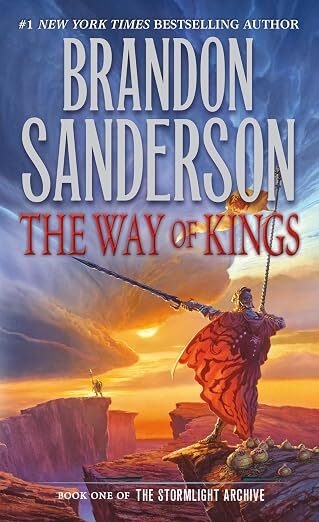
An outmatched character wins against worsening odds, and every gain comes at a cost that makes the next challenge harder.
Example: In Brandon Sanderson's The Way of Kings, Kaladin leads a group of bridgemen whose entire purpose is to die first so the real army can advance. His survival, and theirs, is what makes the underdog arc land.
9. The grass isn't always greener
A character gets what they wanted only to realize it wasn't what they needed.
This theme is a direct line to your own life. What's something you once wanted badly, only to find out it wasn't what you expected once you had it? That's your entry point.
10. Balance creates harmony

Too much of anything, even peace, causes stagnation, and a world needs friction to keep evolving.
Example: The Good Place shows a "perfect" afterlife where everyone gets everything they want, and the result is people turning into zombies from the lack of struggle.
11. Freedom over oppression
A character or society chooses freedom over safety under control, exposing how oppression is dressed up as order.
Example: Brandon Sanderson's Mistborn series builds an entire world around this tension. It also pairs well with the grass-isn't-greener theme above.
12. Everyone deserves a second chance
A flawed or fallen character earns redemption, which resonates because every reader wants to believe they could be forgiven too.
Keep one limit in mind: redemption only works if the character's past mistake isn't so severe it breaks reader trust entirely, like killing a beloved side character or committing an unforgivable betrayal.
13. Ordinary is extraordinary
A character without special powers or status becomes the one who saves the day.
Example: Bilbo Baggins has no magic and no army, yet he's the one who changes the outcome of The Hobbit.
Watch your plot logic here. It's hard to have an ordinary character outmaneuver highly capable ones without a few convincing turns along the way.
14. People can be multifaceted
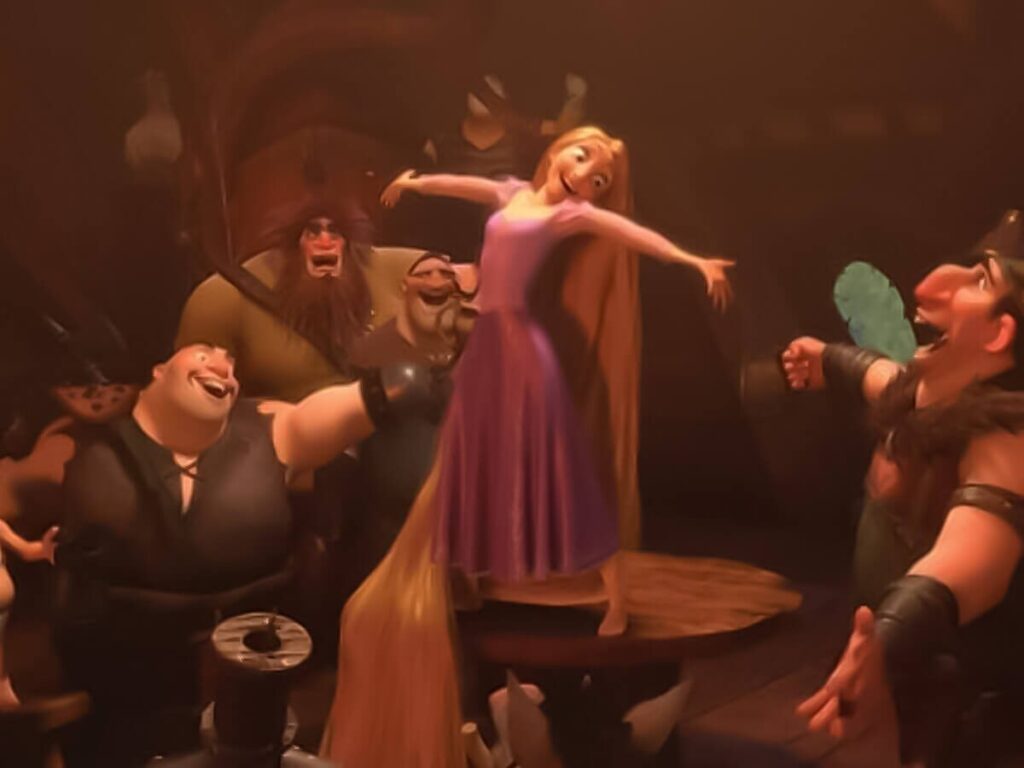
A character defies the single trait readers expect of them, which is also a reliable source of plot twists.
Example: In Tangled, a bar full of "rough and tough" thugs breaks into a song about their secret dreams. It works because it subverts a single-note first impression.
15. Change doesn't always mean progress
A society or character changes, but that change makes things worse instead of better.
This theme works at any scale, from a single character's choice to an entire civilization's shift, and it's a useful counterweight if your world has been trending toward "everything gets better."
How to create your own fantasy theme
Build your theme from your own life instead of a public list, using 4 questions that surface the lessons only you can write about.
Every list above, including this one, is public. Anyone can read it and drop a theme into their book. What makes a theme actually resonate is that it comes from somewhere real, not from a list on the internet.
Grab a notebook or blank doc and answer these 4 prompts:
- Write down your strongest memories. The ones that still feel vivid years later usually point to something you're still processing, which is exactly what makes for compelling fiction.
- Name your biggest values. What do you refuse to compromise on? Your characters' choices should test those same values.
- Remember a lesson you learned the hard way. Painful lessons make the most honest themes because you didn't learn them from a book. You learned them by living them.
- Write the 3 pieces of life advice you'd give someone you love. These are often your themes in disguise.
Look for the patterns across your answers. The lessons you keep circling back to are the ones you know deeply enough to write a whole novel about, which is what people mean when they say "write what you know."
3 mistakes authors make with fantasy themes
Picking a theme before knowing your story
A theme should emerge from what you already care about, not get bolted onto a plot after the fact. If a theme feels forced, it usually is.
Using only one theme
Most novels carry 2 or 3 themes working together. Freedom over oppression combined with grass-isn't-always-greener, for example, creates more tension than either theme alone.
Stating the theme outright
Themes work through scenes, choices, and consequences, not through a character announcing the moral. If you can delete a line and the theme still lands, delete it.
Fantasy themes: frequently asked questions
What's the difference between a theme and a trope?
A trope is a recurring plot element or convention, like a chosen one or a magic sword. A theme is the underlying message the story teaches. Tropes serve the plot; themes serve the point of the plot.
Can a fantasy novel have more than one theme?
Yes, and most do. Longer works like novels typically carry 2 to 3 interconnected themes, while short stories tend to focus on just 1.
What is the most common fantasy theme?
Good conquers evil is the most widely used fantasy theme, largely because readers consistently want to see justice restored. It still works today as long as the path to that outcome feels earned rather than predictable.
How do I find a theme for my own fantasy novel?
Start with your own life instead of a list. Write down your strongest memories, your core values, and a lesson you learned the hard way, then look for the pattern that connects them.
Have a theme but no plan to finish the book?
Most fantasy authors get stuck turning a strong theme into a finished, published novel. If that's you, Fundamentals of Fiction teaches you how to write and publish your fantasy book from outline to launch. At selfpublishing.com, we offer one-on-one coaching, five rounds of professional editing, book cover design, a marketing plan, and more to help turn your dream novel in to a reality.
Why wait? Your future best seller is waiting for you, and we are here to help you evert step of the way.