














TL;DR:
A personal narrative is a true, first-person story about one meaningful moment in your life, told through scene and reflection instead of a list of events. To write one: pick a moment that still moves you, open with a scene instead of a summary, draft without editing, then revise for clarity. Below you'll find the full process, examples, and 15 ideas to start with.
Search "personal narrative" and you'll find hundreds of definitions and almost no working examples of the format itself.
That gap is exactly why most authors freeze before they write a single sentence.
This guide fixes that: a plain-language definition, a 5-step process, real examples, and a list of ideas you can use to start your personal narrative today.

Free Ebook: From Memories to Masterpiece
Get our step-by-step guide to writing and publishing a bestselling memoir!
What is a personal narrative?
A personal narrative is a true, first-person story about one meaningful moment in your life, built with scene, emotion, and reflection rather than a chronological list of events.
It's not the same as an autobiography, which covers an entire life, and it's not the same as a memoir, which typically spans a theme across many chapters. A personal narrative zooms in on one moment and tells you what it meant.
The most common place people encounter this format is the personal narrative essay: the assignment given in high school English classes and college application prompts. But the format extends well beyond the classroom. Authors use personal narratives as standalone pieces, as blog and newsletter content, and as the seed that eventually grows into a full memoir.
Personal narrative vs. memoir vs. personal essay
| Format | Scope | Goal |
|---|---|---|
| Personal narrative | One moment or event | Show what happened and what it meant, through scene |
| Personal essay | One moment or idea | Argue toward a takeaway or a lesson |
| Memoir | Multiple moments, one theme, book-length | Show how a theme played out across a period of your life |
If you've never written about your own life before, a personal narrative is the right place to start. It's short enough to finish in a sitting and it teaches you the exact muscle you'll need if you go on to write a memoir.
How to write a personal narrative
Writing a strong personal narrative takes 5 steps: pick a moment that still moves you, open with a scene, map the arc before you draft, write without self-editing, then revise for clarity and closure.
1. Pick a moment that still moves you
Most people default to the moment they think a reader "should" want to hear about. The moment your reader actually feels is the one that still moves you when you think about it now. If you feel nothing recalling it, your reader won't either.
Need a starting point? Skip ahead to the personal narrative ideas below.
2. Know how to start a personal narrative
The most common way to start a personal narrative is to drop the reader directly into a scene, not a summary. Set the moment in motion: where you were, what you were doing, what you felt, before you explain any of it.
Weak opening: "I learned an important lesson the summer I turned 16."
Strong opening: "The car door slammed before I'd even unbuckled my seatbelt, and I already knew I wasn't getting the apology I'd rehearsed the whole drive over."
The second version puts the reader in the moment instead of announcing a conclusion. Save the conclusion for the end.
3. Map the arc before you draft
A personal narrative still needs a shape: a beginning that sets the scene, a middle that builds tension or change, and an end that reflects on what shifted. A loose outline, even five bullet points, keeps you from wandering.
Outlining a personal narrative works the same way as any other story structure. If you'd rather work from a template than a blank page, our free book outline tool adapts to shorter pieces too.
4. Draft without self-editing
Write the full first draft before you go back to fix a single sentence. Stopping to polish line one kills momentum before the story has a shape to polish. Tell the story first. Edit it later.
5. Edit for clarity and closure
Once the draft is down, edit in two passes: one for facts and clarity, one for closure. Does the ending answer the question the opening scene raised? If not, that's the gap to close before you call it finished.
Personal narrative examples
Personal narrative examples range from 600-word student essays to full personal-narrative-driven memoirs, and the strongest ones share one trait: they show what a moment meant instead of only reporting what happened.
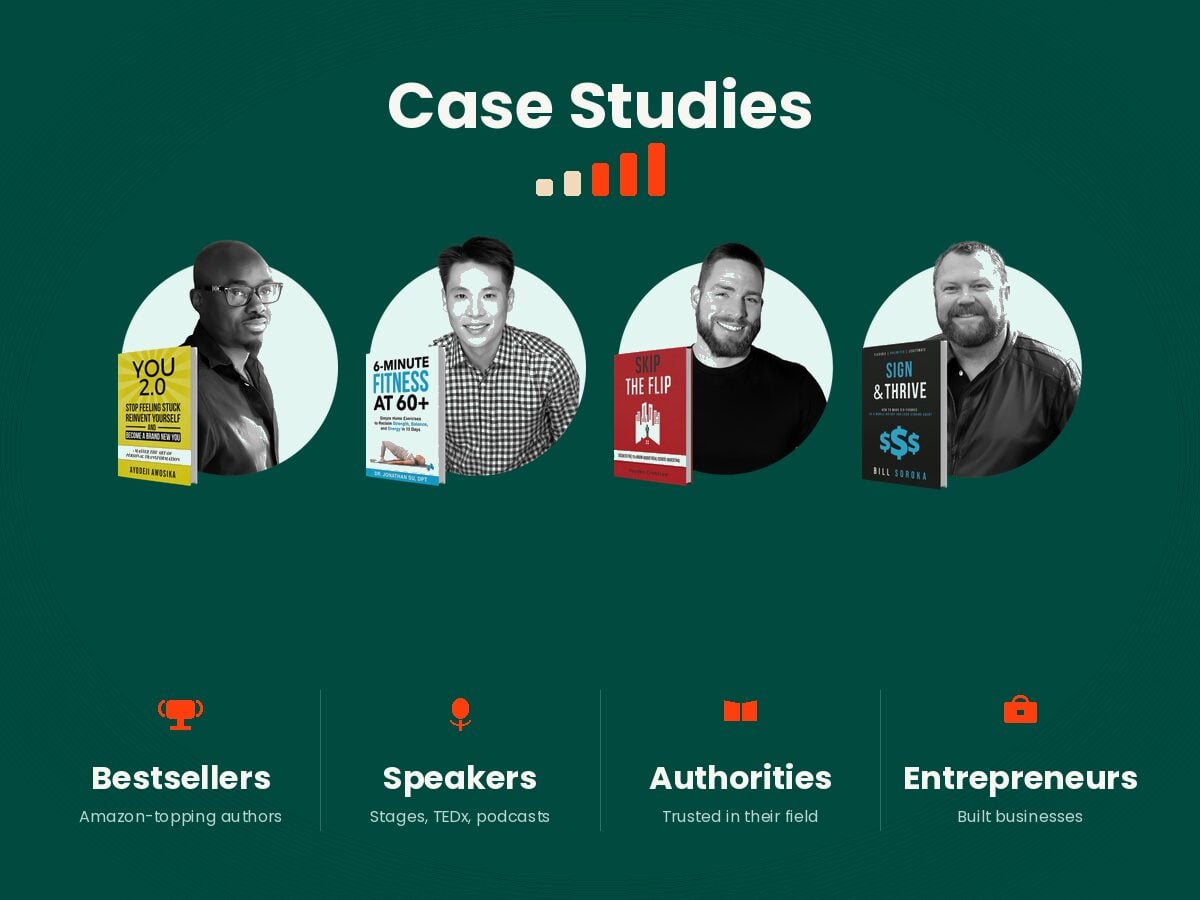
selfpublishing.com author Tarra R. Gundrum's memoir, Finding My Possible: How I Changed My Narrative and Created a Life of Adventure, is built almost entirely from personal narrative moments strung together. What makes it work isn't the events themselves. It's that Gundrum shows the reader how each moment landed on her, not just what happened next.
You don't need a full book to use this format well. The New York Times runs an annual personal narrative essay contest for teens, capped at 100 words, and the strongest entries consistently do the same thing a book-length memoir does at a smaller scale: one scene, one honest reflection, no filler.
That's the real takeaway from studying examples: length doesn't determine power. A single well-chosen scene, told honestly, outperforms a summary of an entire year.
Personal narrative ideas and topics
The strongest personal narrative ideas come from moments of change, not moments of achievement. Look for a memory where something in you shifted, not just a memory you're proud of.
Use this list as a starting point. Read through it once, then write down the first two memories each prompt brings up before you second-guess them.
- A moment you were wrong about someone, and when you realized it
- A time you had to make a decision with no good options
- The first time you felt truly on your own
- A conversation that changed how you saw a parent or mentor
- A moment you almost quit something, and what stopped you (or didn't)
- A small kindness from a stranger you never forgot
- A time your plans fell apart in public
- The moment you stopped believing something you'd always believed
- A risk that didn't pay off, and what it taught you anyway
- A place you left and never fully explained why
- A time you had to forgive someone, or yourself
- An ordinary day that turned out to matter more than you expected
- A moment you surprised yourself with your own reaction
- The first time you saw a parent as a person, not just a parent
- A tradition you kept, changed, or walked away from, and why
Common mistakes to avoid
The most common personal narrative mistakes are opening with a summary instead of a scene, writing for an imagined judge instead of a reader, and skipping reflection at the end.
- Opening with a conclusion. Announcing the lesson in sentence one removes the reason to keep reading.
- Writing for an audience of one imagined critic. Worrying about what a reader "should" think shuts down the honesty that makes the format work.
- Skipping the reflection. A personal narrative without a closing reflection is just an anecdote. The meaning is the point.
- Over-editing the first draft. Fixing sentences before the story has a shape usually kills the story before it's told.
- Choosing the "impressive" moment over the honest one. Readers respond to specificity and honesty, not achievement.
Frequently asked questions
What is a personal narrative?
A personal narrative is a true story from your own life that centers on one specific event or experience, told through scene and reflection rather than a summary of what happened.
How do I start a personal narrative?
Start inside a scene, not with a statement. Set where you were, what you were doing, and what you felt, and let the reader arrive in the moment with you before you explain anything.
What's the difference between a personal narrative and a personal narrative essay?
They're the same format. "Personal narrative essay" is the term most commonly used in academic settings, particularly for college application prompts. Outside the classroom, it's simply called a personal narrative.
How long should a personal narrative be?
There's no fixed length. Academic personal narrative essays are often capped at 500 to 800 words. Outside that context, a personal narrative can run anywhere from a page to a full chapter, as long as it stays focused on one moment.
What should I include in my personal narrative?
Include the setting, the key people involved, and the sequence of events, but center the piece on your thoughts and feelings throughout. The emotional throughline matters more than a complete record of what happened.
How do I end a personal narrative?
End by reflecting on what the moment meant or how it changed you. A strong ending answers the question the opening scene raised, giving the reader a sense of closure rather than trailing off.
Your personal narrative could be the first chapter of something bigger
A personal narrative and a memoir come from the same instinct. The difference is scope: a memoir takes that instinct and builds it into a full book instead of one story.
If the moment you just wrote about is one of several that shaped who you are, you already have the start of a memoir. The skill is the same: scene, honesty, reflection. The difference is doing it across a whole book instead of a single piece.
That's exactly where a lot of our authors begin. They write one true story, realize there are more, and decide the whole thing deserves to be a book. From there, the challenge stops being "can I write this" and becomes "how do I structure a book, edit it well, and get it published."
That's what selfpublishing.com is built for. We've helped thousands of authors turn a single true story into a published, professionally designed memoir, with 1:1 coaching guiding every step from outline to cover design to Amazon upload. You don't need the whole book mapped out today. You need one moment you're ready to tell the truth about, and a plan to get it published.
If you're ready to see what your personal narrative could become, let's talk it through. Book a free consult call today.