

















TL;DR:
Thriller is an umbrella genre built on tension, danger, and high stakes, and it splits into distinct subgenres based on where that danger comes from: the mind (psychological), the law (crime, legal), the world stage (spy, political), or technology and medicine (techno, medical). Below are 10 thriller subgenres, each with defining traits, book and movie examples, and who tends to write them well.
"I want to write a thriller" isn't quite specific enough to start drafting. A courtroom drama and a Cold War spy novel are both thrillers, but they share almost nothing else: different pacing, different research, different reader expectations. Picking the right thriller genre subgenres before you outline saves you from writing 80,000 words in the wrong lane.
Here are 10 of the most common thriller genre subgenres, what defines each one, and how to tell which fits the story (and the writer) you actually are.

Thriller subgenres at a glance
Each thriller subgenre is defined by where its central danger comes from: internal, criminal, political, technological, or medical.
| Subgenre | Source of danger | Best for writers who |
|---|---|---|
| Psychological | An unstable or unreliable mind | Excel at complex, morally ambiguous characters |
| Crime | A committed or investigated crime | Have strong plotting and pacing instincts |
| Mystery | An unsolved whodunit | Love engineering intricate puzzles |
| Suspense | Time pressure and limited information | Can build tension gradually to a climax |
| Action | Physical confrontation | Write fast, kinetic set pieces well |
| Spy | Espionage and global stakes | Enjoy geopolitics and heavy research |
| Legal | A courtroom or major case | Have legal knowledge or love procedure |
| Political | Corruption and power struggles | Understand political systems and motives |
| Medical | Disease, ethics, or medical malpractice | Have a medical background or research patience |
| Techno-thriller | Emerging or weaponized technology | Understand technology and its consequences |
1. Psychological thriller

A psychological thriller uses mind games, unreliable narrators, and moral ambiguity to explore how unfolding events warp a character's psyche.
Key characteristics
- Mind games or manipulation
- Moral ambiguity
- Twisted family or social dynamics
- Unreliable narrators
- A deep dive into the human psyche
Examples
- Gone Girl by Gillian Flynn: a wife goes missing, and her husband becomes the prime suspect
- Shutter Island by Dennis Lehane: a U.S. marshal investigates a mental institution and starts questioning his own sanity
- Movie: Black Swan, where a ballet dancer's mind unravels as she prepares for a role
This subgenre rewards writers who are drawn to unraveling human behavior and building genuinely complex, morally ambiguous characters.
2. Crime thriller

A crime thriller centers on the commission, investigation, or prevention of a crime, usually with a detective or investigator as the protagonist.
Key characteristics
- A detective or investigator as the protagonist
- High stakes
- Clues and red herrings
- Criminal psychology
- Action-packed sequences
Examples
- The Girl with the Dragon Tattoo by Stieg Larsson: a journalist and a hacker investigate a woman's disappearance
- In the Woods by Tana French: a detective confronts his own past while solving a young girl's murder
- Movie: Se7en, where detectives hunt a serial killer using the seven deadly sins as his method
Strong plotting and pacing are non-negotiable here. This subgenre suits writers fascinated by the mechanics of law and the criminal mind.
3. Mystery thriller

A mystery thriller is built around solving a central mystery, most often murder, through a whodunit structure with multiple suspects.
Key characteristics
- Whodunit structure
- Intricate plotlines
- Multiple suspects
- A final twist or revelation
- Investigative procedure
Examples
- And Then There Were None by Agatha Christie: 10 strangers are killed one by one on an isolated island
- Big Little Lies by Liane Moriarty: a murder happens at a school event, but the killer stays unknown until the end
- Movie: Knives Out, where a detective investigates the death of a wealthy family's patriarch
If you love crafting intricate puzzles and leading readers astray until the final page, this is your subgenre.
4. Suspense thriller

A suspense thriller keeps readers on edge through time constraints, limited information, and a gradual build to an intense climax.
Key characteristics
- Cliffhangers
- Time constraints
- Limited information
- High emotional stakes
- Multiple viewpoints
Examples
- The Da Vinci Code by Dan Brown: a symbologist races against time to solve a murder and a conspiracy
- Before I Go to Sleep by S.J. Watson: a woman wakes up every day with no memory of her past
- Movie: Rear Window, where a man suspects his neighbor of murder but can't leave his apartment to prove it
Pacing is everything in suspense. Writers who can build tension gradually, rather than front-loading it, do best here.
5. Action thriller
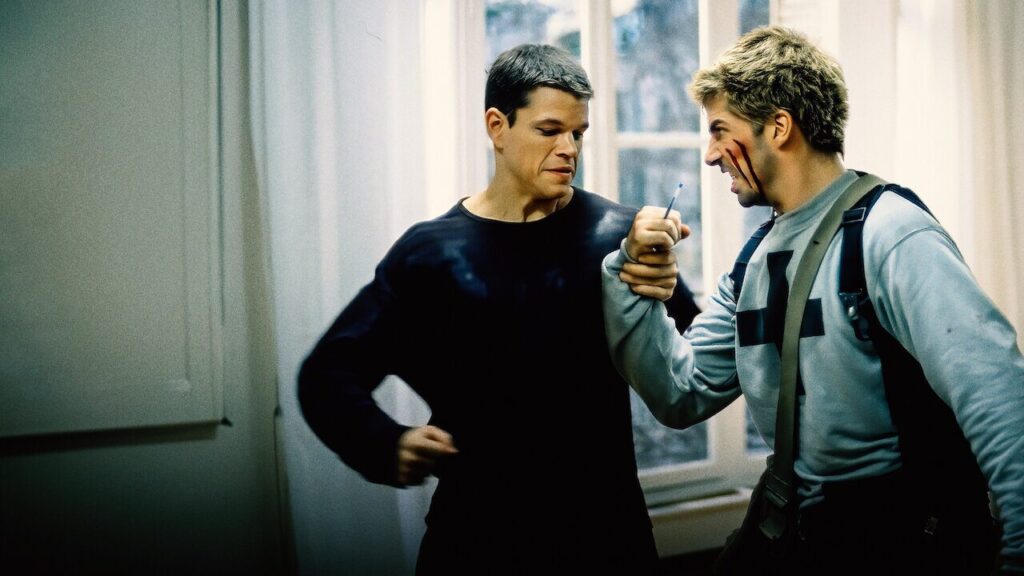
An action thriller delivers its tension through physical action, fast pacing, and resourceful heroes facing well-armed villains.
Key characteristics
- Fast pace
- High-stakes scenarios
- Explosive confrontations
- Resourceful heroes
- Villains with significant firepower
Examples
- The Jack Reacher series by Lee Child: a former military police officer takes justice into his own hands
- The Bourne Identity by Robert Ludlum: a man with amnesia discovers he's a trained assassin
- Movie: Die Hard, where a cop fights terrorists inside a high-rise building
This subgenre rewards writers who can craft intense, kinetic sequences and keep the story moving at a sprint.
6. Spy thriller

A spy thriller revolves around espionage, undercover operations, and global political stakes.
Key characteristics
- Political intrigue
- Undercover operations
- Surveillance
- Moral quandaries
- Global stakes
Examples
- Tinker, Tailor, Soldier, Spy by John le Carré: a retired spy uncovers a mole inside the intelligence agency
- The Day of the Jackal by Frederick Forsyth: an assassin is hired to eliminate Charles de Gaulle
- Movie: Skyfall, where James Bond faces a threat from within MI6
If geopolitics and covert operations genuinely interest you, this subgenre rewards the research it demands.
7. Legal thriller
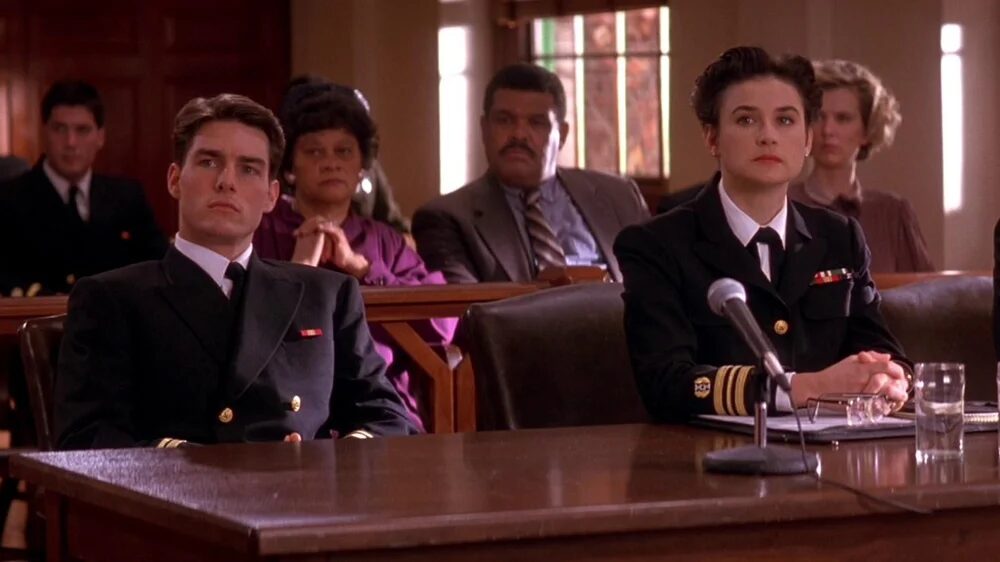
A legal thriller centers on lawyers or courtrooms, usually built around a major criminal case with real ethical stakes.
Key characteristics
- Legal procedure
- Moral dilemmas
- High-stakes trials
- A lawyer as protagonist
- Legal terminology
Examples
- A Time to Kill by John Grisham: a young lawyer defends a Black man accused of killing 2 white men
- Presumed Innocent by Scott Turow: a prosecutor is accused of murdering his own colleague
- Movie: A Few Good Men, where Navy lawyers defend Marines accused of murder
A background in law helps, but a genuine interest in legal ethics and detail-oriented research matters more.
8. Political thriller
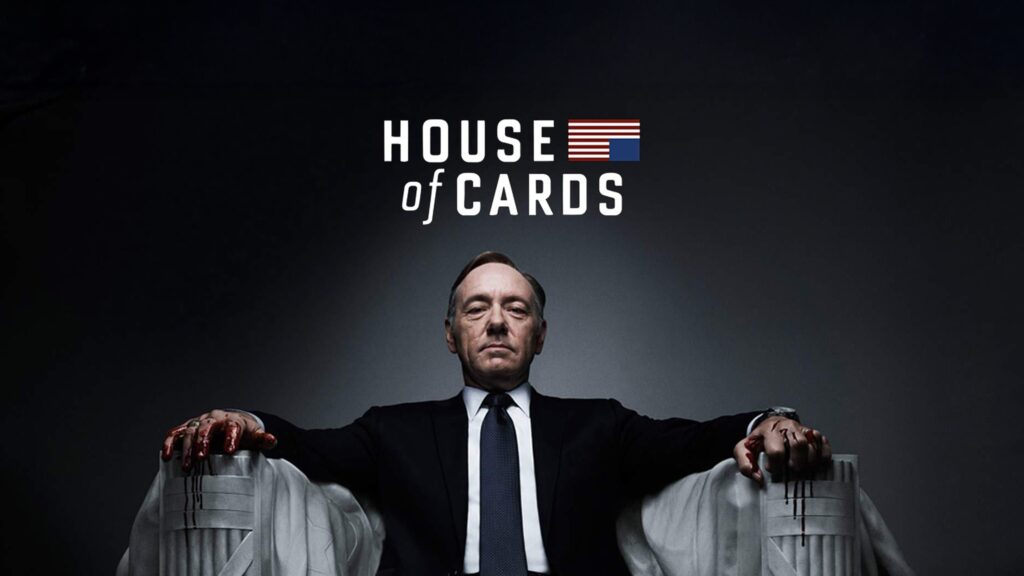
A political thriller is built around political maneuvering, corruption, and the gap between a politician's public and private self.
Key characteristics
- Political corruption
- Power plays
- Government secrets
- Revolutions or coups
- Public versus private personas
Examples
- All the King's Men by Robert Penn Warren: a journalist becomes entangled in a corrupt political landscape
- House of Cards by Michael Dobbs: a politician maneuvers his way to the top at any cost
- Movie: The Manchurian Candidate, where a soldier is brainwashed to assassinate a political candidate
Writers with strong opinions on governance and power dynamics tend to write this subgenre with real conviction.
9. Medical thriller

A medical thriller focuses on medical professionals, diseases, or medical ethics, usually inside a hospital or research setting.
Key characteristics
- Medical terminology
- Ethical dilemmas
- Scientific research
- Epidemics or pandemics
- Hospital settings
Examples
- Coma by Robin Cook: patients mysteriously go into comas during routine surgeries
- The Andromeda Strain by Michael Crichton: scientists race to contain a deadly extraterrestrial microbe
- Movie: Contagion, tracking the global spread of a virus and the race to find a cure
A medical background helps, but thorough research is the real requirement for this subgenre.
10. Techno-thriller

A techno-thriller combines thriller pacing with advanced or emerging technology, often exploring the ethical fallout of that technology.
Key characteristics
- Advanced technology
- Cybersecurity
- Hacking
- Futuristic settings
- Ethical implications of technology
Examples
- Snow Crash by Neal Stephenson: a computer virus threatens to infect human minds
- Neuromancer by William Gibson: a washed-up hacker is hired for a heist against a powerful AI
- Movie: The Matrix, where a hacker discovers his world is a simulated reality
A strong grasp of technology, and a genuine curiosity about where it's headed, is what makes this subgenre convincing.
Frequently asked questions
How many thriller subgenres are there?
There's no single official count to the number of genres. This guide covers 10 of the most common thriller subgenres, but many novels blend 2 or more, like an action thriller with spy elements, or a legal thriller with political stakes.
What’s the difference between a mystery and a thriller?
A mystery is built around solving a puzzle, usually a crime, with the reader piecing together clues alongside the protagonist. A thriller is built around danger and tension, and the reader often already knows more than the characters do. Many books, like mystery thrillers, blend both.
Can a thriller combine multiple subgenres?
Yes, and most bestselling thrillers do. The Bourne Identity works as both an action thriller and a spy thriller. Combining subgenres is common as long as the core tension stays clear to the reader.
Which thriller subgenre is easiest to write first?
Suspense and crime thrillers tend to have the most flexible, well-documented structures for new thriller writers, since their pacing and clue-planting conventions are widely taught. Subgenres requiring specialized knowledge, like legal or medical thrillers, ask for more research upfront.
Picked your subgenre? Now build the book around it
Knowing your thriller subgenre is step one. Fundamentals of Fiction teaches you how to outline, write, and publish your novel from first draft to launch. We offer one-on-one coaching to walk you through every step of the way from book idea to publisher best-seller.