




















TL;DR
Writing conventions are the agreed-upon rules of writing (spelling, grammar, punctuation, capitalization, formatting, and more) that make your work clear and easy to follow. They fall into two groups: mechanics (the technical marks on the page) and usage (how language is put together). Master them, and readers stay focused on your story instead of your typos.
You've written something you're proud of. Then a reader points out three typos on the first page, and suddenly they're reading like an editor instead of a fan. That's the quiet cost of ignoring writing conventions: even strong ideas lose their authority when the basics slip.
The good news is that conventions are learnable. They're not a talent you're born with, they're a fixed set of rules. Once you know them, your writing gets clearer and more credible almost overnight. So what are conventions in writing? This guide breaks down what they are, the nine that matter most for your book, and when it's worth breaking them on purpose.
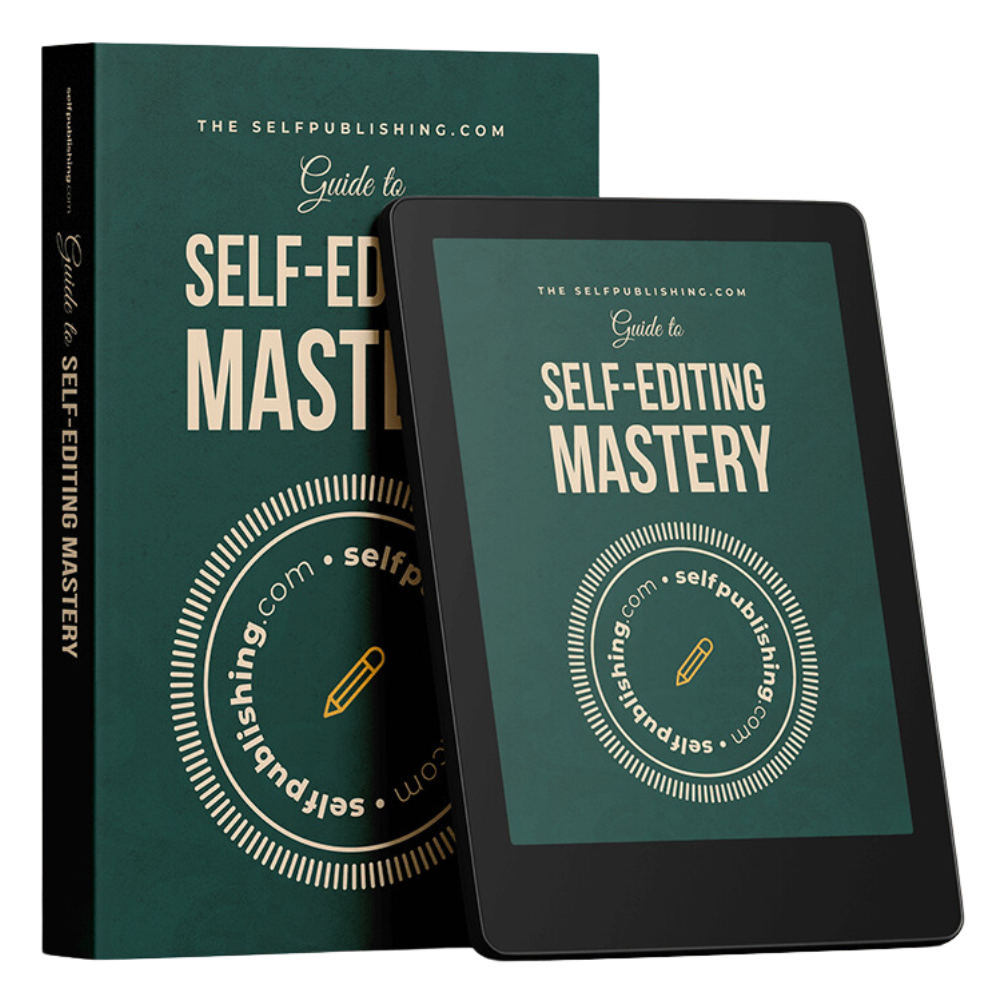
Guide to Self-Editing Mastery
Learn how to avoid the most time-consuming editing mistakes most authors make and self-edit your book like a seasoned professional with our free guide.
What are writing conventions?
The writing conventions definition is this: Writing conventions are the standard rules writers follow (spelling, grammar, punctuation, capitalization, formatting, citation, tone, and style) so readers can understand the work without friction.
Think of them as the road signs of written communication. They tell your reader when to pause, where a new idea starts, and which words carry weight. Skip them and readers get lost. Use them well and your meaning travels cleanly from your head to theirs.
Most conventions in English sort into two buckets. Knowing the difference helps you spot what's actually wrong when a sentence feels off.
| Category | What it covers | Examples |
|---|---|---|
| Mechanics | The technical marks on the page (the parts of writing that don't exist in speech). | Spelling, punctuation, capitalization, numerals vs. spelled-out numbers, formatting |
| Usage | How language is put together so it makes sense. These are rules that apply to speech too. | Grammar, word order, subject-verb agreement, verb tense, sentence structure |
Mechanics and usage work together. A sentence can be spelled perfectly and still confuse a reader if the grammar falls apart, and the cleanest grammar in the world won't save a page riddled with typos.
The 9 writing conventions every author should master
The nine core conventions are: spelling and grammar, punctuation, capitalization, paragraphing, formatting, citation, tone, style, and audience awareness.
1. Spelling and grammar
This is the backbone of writing. Clean spelling and accurate grammar show readers you take your book seriously and they keep your meaning intact.
Typos and grammatical slips don't just look careless; they can blur the very point you're making.
Spell-check catches the obvious ones, but read your work out loud to catch the rest.
2. Punctuation
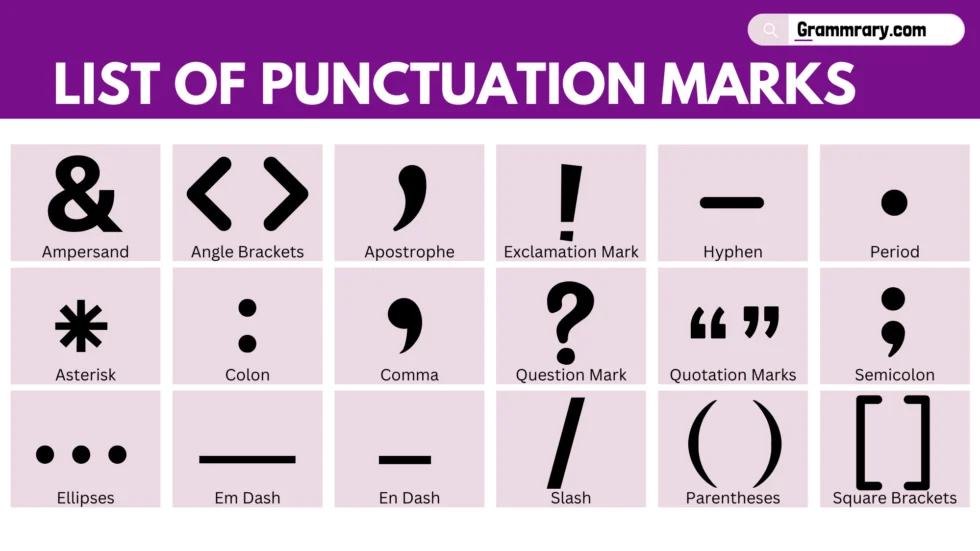
Punctuation is the traffic signal of your writing. Commas, periods, and dashes tell readers when to pause, stop, or connect ideas.
Used well, your sentences flow. Used carelessly, they change your meaning entirely.
If you're looking for writing conventions examples, "Let's eat, Grandma" and "Let's eat Grandma" are not the same dinner.
- Commas separate ideas and add pauses for clarity.
- Periods mark the end of a complete thought.
- Dashes add emphasis or slip in extra information.
3. Capitalization
Capitalization helps readers identify proper nouns, titles, and the beginnings of sentences. It adds structure and clarity to your writing, guiding readers to the most important parts.
Be consistent with capitalization. Overusing it can make your writing look cluttered, and skipping it entirely makes your work look unpolished (unless you’re using this as a purposeful technique!).
4. Paragraphing
Paragraphing breaks your writing into chunks a reader can actually follow. A strong paragraph holds one idea and hands off smoothly to the next. Long, unbroken blocks of text are where readers give up.
White space is your friend.
5. Formatting
Formatting is how your writing looks on the page. It includes font, spacing, margins, headings, and layout.
Good formatting makes your book readable and draws the eye to what's important. It's also where a self-published book either looks professional or looks homemade, so it's worth getting right before you hit publish.
6. Citation and referencing
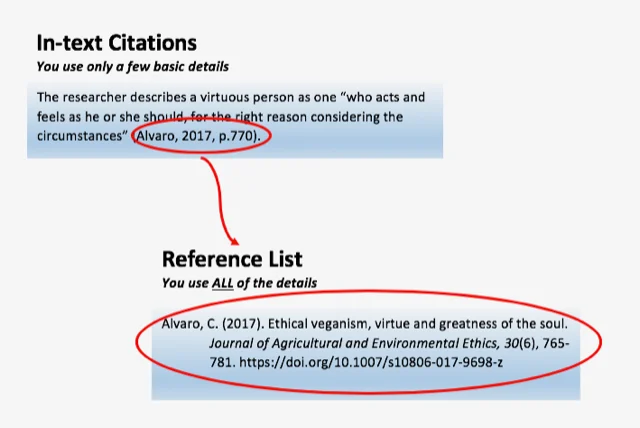
Citations aren't just for academics. Any time you quote, paraphrase, or build on someone else's work, credit the source. It builds trust and keeps you clear of plagiarism.
Common styles include APA, MLA, and Chicago, and if you're writing for a specific publisher or audience, check their preferred style guide first.
7. Tone
Tone is how your writing feels. It can be friendly, formal, serious, playful, you name it!
The right tone comes from knowing your reader. A leadership book reads differently than a cozy memoir.
Pick a tone and hold it steady. A voice that lurches from corporate to chatty and back makes readers trust you less.
8. Style
Style is the personal fingerprint you bring to the page. It includes your sentence rhythm, word choices, and the images you reach for.
Style is what makes a paragraph unmistakably yours and keeps readers turning pages. But style isn't only flourish. The best style serves clarity, not the other way around.
9. Audience awareness
Audience awareness means writing for the actual person who'll read your book, not a generic "reader." A research paper for academics and a young adult novel for teens follow very different rules. Before you draft, get specific:
- Knowledge level - are they experts, beginners, or somewhere between?
- Interests - what will actually hold their attention?
- Tone preferences - do they expect formal, casual, or playful?
A quick reframe
Conventions aren't there to box you in. They're there so readers spend their attention on your ideas instead of decoding your sentences. Every rule you internalize is one less thing standing between your book and the person reading it.
Genre conventions: how the rules shift by genre
Genre conventions are the reader expectations baked into each genre. (The detective in a mystery, the magic system in fantasy, the happy ending in romance.)
Beyond the universal rules, every genre carries its own unwritten contract with the reader. Meet those expectations and readers feel at home. Ignore them without reason and they feel cheated.
A few examples:
Mystery
- A detective or investigator working a crime or puzzle.
- A central crime or event that needs solving.
- Red herrings that misdirect readers and characters alike.
- A twist or reveal that uncovers the truth.
Science fiction
- Futuristic settings or advanced technology (space travel, AI, and the like).
- Big societal questions explored through a technological lens.
- Themes of exploration, time, or alternate realities.
Fantasy
- Magic or supernatural elements, from wizards to enchanted objects.
- An epic quest undertaken by a hero or band of characters.
- Good versus evil, often building to a final showdown.
- Deep world-building with invented lands, realms, and histories.
Romance
- A central love story between two leads.
- Conflict or misunderstanding that tests the relationship.
- Emotional chemistry built through vulnerability and growth.
- A satisfying, hopeful ending.
Horror
- Supernatural or otherworldly forces such as ghosts, monsters, or the unknown.
- Dread that escalates as the story moves.
- Characters in real danger.
- Isolation where characters are trapped, alone, and cut off from help.
When should you break writing conventions?
Break conventions on purpose only after you've mastered them. A fragment, a lowercase line, or a run-on can create voice and effect when it's a choice, not a mistake.
Here's the part the classroom worksheets leave out: great writers break the rules all the time.
A one-word sentence for impact.
A run-on that mirrors a racing mind.
Dropped capitalization for a character's voice in a text message.
The difference between style and error is intent. A reader can feel the difference between a writer who chose to break a rule and one who didn't know it existed. Learn the convention first. Then, when you bend it, you'll know exactly what you're doing and why.
Common writing convention mistakes
The most common mistakes are inconsistency, run-on sentences, comma splices, mixed verb tenses, and confusing homophones like their, there, and they're.
- Inconsistency - switching tense, point of view, or tone partway through.
- Run-on sentences - two complete thoughts jammed together without the right punctuation.
- Comma splices - joining two sentences with only a comma where a period or semicolon belongs.
- Homophone mix-ups - their/there/they're, your/you're, its/it's.
- Overusing passive voice - "the book was written by me" instead of "I wrote the book."
Frequently asked questions
What are the two main types of writing conventions?
Mechanics and usage. Mechanics are the technical marks on the page like spelling, punctuation, and capitalization that don't exist in spoken language. Usage covers how language is structured, like grammar, word order, and verb tense. Both work together so readers can understand exactly what you mean.
What's the difference between writing mechanics and writing conventions?
Writing conventions is the umbrella term for all the standard rules of written communication. Mechanics is one category within that umbrella that includes the technical pieces like spelling, punctuation, and capitalization. So all mechanics are conventions, but conventions also include broader things like tone, style, and audience awareness.
Do writing conventions change between genres?
The core mechanics stay constant. Spelling and punctuation don't change. But many usage and style conventions shift by genre. A technical manual uses numbered steps and a neutral tone; a picture book uses short, warm sentences. Each genre also carries reader expectations, like a twist in a mystery or a hopeful ending in romance.
Can you break writing conventions on purpose?
Yes, and skilled authors do it constantly for effect. A sentence fragment, a dropped capital, or a deliberate run-on can carry real voice. The key is intent: learn the rule first so the break reads as a choice, not a mistake. Readers can tell the difference.
Why do writing conventions matter for self-published authors?
When you self-publish, there's no traditional publishing house catching errors for you. Clean conventions are what separate a book that looks professional from one that looks homemade and they directly affect reviews, credibility, and sales. It's also exactly where a good editor and a proven process earn their keep.
Your book deserves more than spell-check.
Conventions are just one piece of writing a book you're proud of. We've helped authors publish over 7,000 books, guiding them from a blank page through writing, editing, formatting, and launch.
If you're ready to stop circling the same draft and actually finish, let's map out your path on a free strategy call.