
















TL;DR
Psychological horror scares readers through the mind rather than the monster. It uses unreliable perception, dread, and moral discomfort instead of gore or jump scares. To write it well, choose the emotional journey first, build a narrator readers can't fully trust, set the story somewhere that contradicts its darkness, and trap your protagonist with no clean exit.
Most first drafts in this genre fail for the same reason: the author writes a scary thing instead of a scary state of mind. The result reads like a slasher with the volume turned down. No dread, no unease, no reason for the reader to keep the light on.
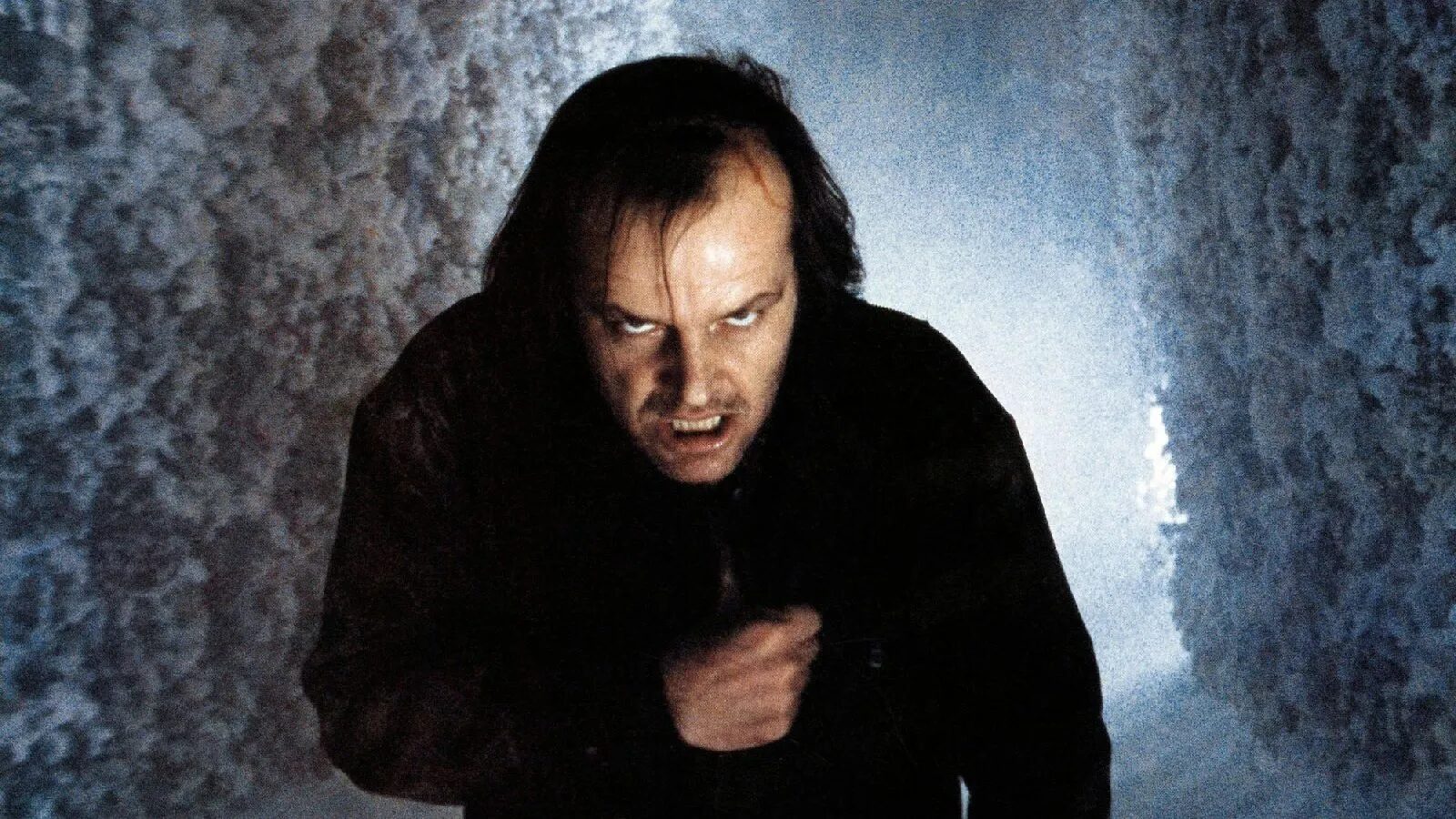
Psychological horror works differently. The threat is often small, ordinary, or entirely internal, and the fear comes from what the reader starts to suspect rather than what they're shown. Stephen King's The Shining is terrifying long before anything supernatural is confirmed, because the reader stops trusting the man they're following.
This guide covers what psychological horror actually is, the elements that define it, and 13 steps for writing a psychological horror story that unsettles readers instead of merely startling them.
What is psychological horror?

Psychological horror is a horror subgenre that generates fear through a character's mental state, perception, and dread rather than physical threat or gore.
The psychological horror meaning comes down to the source of the fear. In conventional horror, something exists and it wants to hurt you. In psychological horror, the reader is never quite certain what exists, and that uncertainty does the damage.
The genre keeps the reader in a state of suspicion. Is the narrator lying? Are they mistaken? Is the house haunted, or is the man inside it unraveling? A good psychological horror never fully resolves that tension until it wants to, and sometimes not at all.
It's a genre with real commercial pull, too. Searches for "psychological horror" run at roughly 10,000 per month globally, with about 5,200 of those in the US alone. Readers are actively hunting for this, and most of what they find is film and TV. There's an opening for books.
Psychological horror vs. horror vs. psychological thriller
These 3 genres share DNA and get confused constantly. The difference is what the story does to the reader.
| Genre | Primary source of fear | Reader's dominant feeling | Ending expectation |
|---|---|---|---|
| Horror | An external threat that is real and confirmed | Terror, shock | The threat is faced, survived, or not |
| Psychological horror | Perception, memory, and mental deterioration | Dread, unease, doubt | Ambiguity is acceptable and often preferred |
| Psychological thriller | A hidden truth the protagonist is racing to uncover | Tension, urgency | The truth is revealed and resolved |
The practical test: if you removed the supernatural or violent element entirely and the story is still frightening, you're writing psychological horror.
The 6 core elements of psychological horror
Every strong book in this genre uses most of these. The elements of psychological horror are less about content than about control of information.
- Unreliable perception. The reader cannot fully trust what they're being shown, whether through a lying narrator or an honest one who is wrong.
- Sustained dread over spikes of fear. Tension holds across chapters instead of resetting after each scare.
- Isolation. Physical, social, or psychological. The protagonist loses the people who could confirm reality for them.
- Ordinary settings turned wrong. The horror lives in a kitchen, a marriage, or a suburb, not a crypt.
- Moral discomfort. The reader is made complicit, sympathizing with someone they probably shouldn't.
- Withheld confirmation. The story refuses to tell the reader what's real for as long as it can bear.
Who this is for: if you're writing your first novel in this genre and you can feel that your draft is scary in scenes but not scary overall, that's a structural problem, not a prose problem. Our Fundamentals of Fiction program walks fiction authors through structure, character, and revision so the dread holds from page 1 to the last line.
How to write psychological horror: 13 steps

Writing psychological horror means designing the reader's mental journey first, then building character, setting, and plot to deliver it.
Here's the sequence we recommend for how to write a psychological horror story from concept to final draft. These psychological horror writing techniques work whether you're writing a short story or a 90,000-word novel. Follow them in order the first time; deviate once you know why you're deviating.
1. Choose the mental journey for your reader
Before plot, decide what you're doing to the person holding the book. Where do they start? Safety tinged with foreboding? Mild suspicion? Where are they at the midpoint, and what do they carry out of the final page?
In The Shining, the reader's journey moves from sympathy for a struggling father to fear of him. That reversal is the actual product. Everything else is delivery mechanism.
2. Name the one emotion that dominates
Pick a single core emotion and subordinate everything else to it. Confusion. Guilt. Paranoia. Grief. In Shutter Island, the dominant note is disorientation, and every scene either deepens it or momentarily relieves it so it can deepen further.
Write it on a sticky note. Any scene that doesn't serve it is a candidate for cutting.
3. Build an unreliable narrator readers still root for
Unreliability is the engine of this genre, but unlikeability kills it. If readers stop caring about your narrator, the doubt stops being frightening and becomes tedious.
Note that an unreliable narrator doesn't have to lie. Most of the best ones simply lack information, misremember, or interpret through a damaged lens. That's more unsettling than deliberate deception, because it could happen to anyone reading.
Ground the unreliability in a specific history. What happened to this person? What did they learn to believe about how the world works?
4. Choose a setting that argues with your plot
The obvious move is a decaying asylum. The better move is contradiction. Set a story about a woman who was never loved by her parents in a bright, manicured Florida suburb. The dissonance between what the setting of a story promises and what the plot delivers creates unease on its own, before a single frightening event occurs.
5. Mix expected and unexpected plot points
Meet enough genre expectations that readers feel oriented, then break one deliberately. A romantic subplot in a psychological horror can be devastating precisely because it doesn't belong there. Familiarity earns you the right to unsettle.
6. Design a psychologically credible character arc
Psychological horror lives or dies on credibility. Readers who recognize a mental health condition being written lazily will disengage immediately, and they'll say so in reviews.
Someone with narcissistic personality disorder will not become an empath by the last chapter. A trauma response doesn't resolve because the plot needs it to. When you're writing close to clinical territory, read primary sources and, where the stakes are high, consult a mental health professional. Small, partial, hard-won change is both more honest and more affecting than transformation.
7. Lock your 3 structural anchors
Planning is done. Before drafting, answer 3 questions and write the answers down:
- Where does the story start, in terms of the reader's certainty?
- What is the protagonist actually pursuing, even if they're wrong about it?
- What does the final page confirm, and what does it refuse to confirm?
That third question is the one most authors skip, and it's the one that determines whether your ending lands.
8. Write scenes through all 5 senses
Visceral horror is sensory horror. Your characters hear the wind pushing at a window frame. They taste dust. They smell smoke before they see it. They touch a handle that's slick when it shouldn't be.
Smell and touch are the underused ones, and they're the most primal. Audit a scary scene in your draft: if every detail is visual, you're writing a screenplay, not a novel. Our guide on show, don't tell covers the technique in depth.
9. Cut the clichés the genre is drowning in
Jump scares, ghosts under the stairs, women fleeing in impractical shoes, mirrors that show something behind you. These are dead on the page.
A useful exercise: pull up the Amazon book categories for horror and read 30 book descriptions in a row. Note every repeated premise. That list is what you're competing against. Write around it.
10. Write your protagonist into a corner with no exit
Every strong story reaches a point where escape looks impossible, and psychological horror demands it. In Split, the protagonist reaches a moment with no physical way out and has to think her way through with what she has.
Don't rescue your character early because the corner scares you. Write them all the way in. The solution you find under that pressure will be better than the one you'd have planned.
11. Manage tension as a through line, not a series of spikes
Conventional horror spikes and releases. Psychological horror sustains. Think of tension as a floor that rises across the book, with small releases that never return to the previous level.
A Quiet Place is a useful study here: even its loud moments sit on top of a baseline of dread that never fully resets.
12. Name the reason you're drawn to this genre
Authors who write horror well are usually working something out. Fear of losing control. Fear of being wrong about someone. Fear of what's inherited.
Articulate yours. That specific fear is the only thing in your book that no other author can replicate, and readers can feel the difference between a book about fear and a book written from it.
13. Read widely, including the books nobody recommends
Start with Stephen King and Shirley Jackson, then go past the canonical list. Read recent indie psychological horror. Read the 3-star reviews of bestsellers to learn what disappoints readers in this genre specifically. Prolific readers write better books, and this genre punishes authors who only know it through film.
What makes a good psychological horror story?
A good psychological horror story makes the reader doubt something they relied on, and keeps that doubt alive after they finish the book.
Ask 4 questions of your draft. If you can't answer all 4, the manuscript isn't ready.
- What does the reader stop trusting, and on what page? If there's no specific turn, there's no psychological horror. There's just atmosphere.
- Does the fear survive the explanation? Weak books stop being scary the moment the reader understands what's happening. Strong ones get worse.
- Is the protagonist implicated? Readers should feel uncomfortable about how much they've been siding with this person.
- Does the last line change the book? The best endings in this genre reframe everything that preceded them without contradicting it.
How to write disturbing horror without losing your reader
Disturbing horror works when the darkness is purposeful and researched. It fails when it's shock for its own sake.
This is where learning how to write horror in general and writing psychological horror specifically diverge most sharply. General horror can escalate through spectacle. Psychological horror can't, because the moment a reader feels manipulated, the spell breaks and they close the book.
3 rules keep disturbing content on the right side of that line:
- Research anything real. If you're writing about grief, addiction, abuse, or mental illness, read primary accounts and consult professionals. Readers who have lived it will know instantly whether you did the work.
- Keep every character human. The instant a person becomes a device for making the reader uncomfortable, the horror flattens into content.
- Cut what has no consequence. If a disturbing scene doesn't change a character, a relationship, or the reader's understanding, it's decoration. Delete it.
The restraint test
Take your most disturbing scene and cut it by half. Then read it again. Most of the time it's more frightening, because you've handed the work to the reader's imagination, which is always more specific and more personal than your prose can be.
How to write a psychological thriller plot
Psychological thrillers run on tension and revelation, where psychological horror runs on dread and ambiguity.
If you decide mid-draft that you're writing a thriller instead, the 13 steps above still apply with 3 adjustments:
- Give the protagonist a concrete goal with a deadline. Horror protagonists endure. Thriller protagonists pursue.
- Plant a hidden truth on page 1 and reveal it in stages. The engine is information, not atmosphere.
- Resolve it. Thriller readers tolerate far less ambiguity than horror readers. An unresolved thriller reads as a broken promise.
Everything else, unreliable narration, contradictory settings, sensory writing, transfers directly. For broader craft, see our guide on how to write a novel.
5 mistakes that flatten psychological horror
After working with thousands of fiction authors, these are the 5 problems we see most often in psychological horror drafts.
- Explaining too early. Once the reader knows the rules, dread converts to plot. Hold the explanation longer than feels comfortable.
- Confusing vagueness with ambiguity. Ambiguity means 2 readings are both fully supported. Vagueness means you haven't decided. Readers can tell.
- An unlikeable unreliable narrator. If we don't want them to be okay, their unraveling isn't frightening.
- Borrowing fear from film. Techniques that work on screen, a sudden cut or a score change, have no equivalent on the page. Prose horror is built from anticipation, not surprise.
- No cost at the end. If the protagonist walks away unchanged, the reader was never really at risk.
Psychological horror FAQ
What is the difference between horror and psychological horror?
Horror derives fear from a confirmed external threat. Psychological horror derives it from a character's mind, perception, and deteriorating grip on what's real. Remove the monster from a psychological horror story and it should still be frightening.
Why is psychological horror so scary?
Because the reader cannot dismiss it. A haunted house isn't going to happen to you. Misjudging someone you love, or being wrong about your own memory, is entirely possible. The fear follows readers out of the book.
What counts as psychological horror?
Any horror story where the primary tension comes from perception, mental state, or moral discomfort rather than physical danger. Supernatural elements are allowed, but they can't be the source of the fear.
How long should a psychological horror novel be?
Most sit between 70,000 and 100,000 words. The genre needs room for dread to accumulate, which is why psychological horror rarely works well under 60,000 words. Novellas can work if the timeframe is compressed.
Can a first-time author publish psychological horror successfully?
Yes. Horror has an unusually engaged indie readership and readers who buy deeply within the genre. The barrier is craft, not access. We've helped authors publish over 7,000 books across 91+ countries, roughly 3 per day, and genre fiction is a consistent part of that.
Psychological horror: take your next step
Psychological horror is a genre of restraint, and restraint is hard to self-assess. Most authors can't tell whether their draft is genuinely unsettling or whether they're just close to it. That's the single biggest reason horror manuscripts stall in revision.
If you're ready to move from draft to published book, start by finding the right path for your situation. Book a free strategy call with our team today to get started.