

























TL;DR: Gothic writing is a style of fiction built on dark atmosphere, decaying settings, isolation, and heightened emotion, usually with a supernatural thread and a buried secret. It started in 1764 with The Castle of Otranto and runs straight through to today's bestsellers. To write it: pick a place your character can't leave, give it a secret, and keep the dread physical.
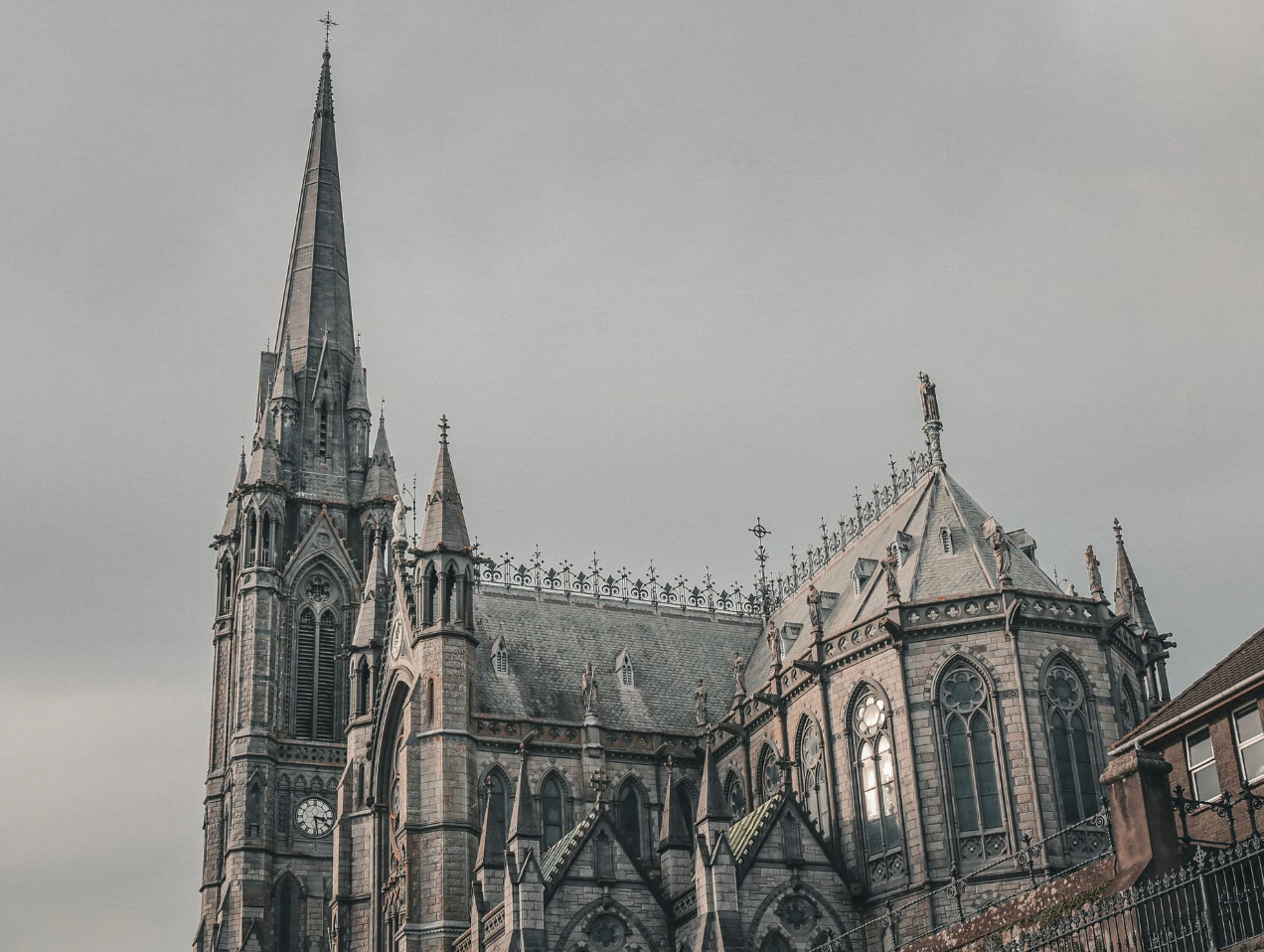
You already know what gothic literature looks like. A castle dripping with cobwebs. A moor swallowed by fog. A vampire, a locked room, a woman in a nightgown holding a candle she probably shouldn't be holding.
Here's what most authors get wrong: they write the aesthetic and forget the engine underneath it. They pile on the fog and the crumbling stonework, and the story still lands flat, because atmosphere without dread is just set dressing.
Gothic writing is having a serious commercial moment. Silvia Moreno-Garcia's Mexican Gothic, the romantasy boom, the whole Southern gothic aesthetic that dominates Pinterest and TikTok. Readers want this. But they want it built the way modern readers read.
This guide breaks down what gothic writing is, the 7 elements that define gothic writing style, gothic writing examples from 1764 to 2020, and a 7-step method for writing your own gothic novel.
What is gothic writing?
Gothic writing is a style of fiction that uses dark atmosphere, decaying settings, isolation, and heightened emotion to create dread, often with supernatural or romantic elements.
The defining feature isn't the ghost. It's the atmosphere of threat. A gothic story makes the reader feel that something is wrong before anything has gone wrong, and then makes them wait.
Quick disambiguation, because this trips people up: "gothic writing" can also mean blackletter script, the ornate medieval calligraphy (Gothic Textualis) you'd see in an illuminated manuscript or on a heavy metal album cover. That's typography, not fiction. This guide covers the literary style.
What is gothic literature?
Gothic literature is the genre that houses gothic writing. It began in 1764 and evolved into modern horror, psychological thriller, and gothic romance.
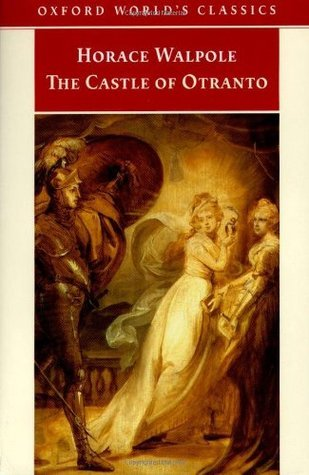
The genre has a birth certificate, which is rare. In 1764, Horace Walpole published The Castle of Otranto and subtitled the second edition "A Gothic Story." That subtitle named the whole genre.
What followed, in order:
| Year | Work | What it added |
|---|---|---|
| 1764 | The Castle of Otranto — Horace Walpole | The template: castle, curse, prophecy, doomed family line |
| 1794 | The Mysteries of Udolpho — Ann Radcliffe | The "explained supernatural" terror that turns out to be human |
| 1818 | Frankenstein — Mary Shelley | Science as the source of horror; gothic gets a brain |
| 1839 | The Fall of the House of Usher — Edgar Allan Poe | The house as a psychological mirror |
| 1847 | Wuthering Heights & Jane Eyre — the Brontës | Gothic romance; the madwoman in the attic |
| 1897 | Dracula — Bram Stoker | The monster as seducer; epistolary dread |
| 1938 | Rebecca — Daphne du Maurier | Domestic gothic. The threat is a dead wife and a housekeeper |
| 1959 | The Haunting of Hill House — Shirley Jackson | Ambiguity: is the house haunted, or is she? |
| 2020 | Mexican Gothic — Silvia Moreno-Garcia | Gothic decoupled from Europe; colonialism as the rot |
Structurally, gothic literature grew out of Romanticism. Romanticism cared about individualism, emotion, and the sublime power of nature. Gothic writing took all of that and pointed it at the macabre. It's the darkest wing of Dark Romanticism.
Gothic vs. horror vs. thriller vs. gothic romance
| Genre | Primary emotion | Source of threat | Pacing |
|---|---|---|---|
| Gothic | Dread | The past, the place, the family | Slow, atmospheric |
| Horror | Fear / revulsion | An external monster or force | Escalating shocks |
| Thriller | Tension | A human antagonist with a plan | Fast, plot-driven |
| Gothic romance | Longing + dread | The love interest may be the danger | Slow burn |
Most successful gothic novels sit in two of these at once. Rebecca is gothic and thriller. Dracula is gothic and horror. Pick your second lane deliberately. It decides your pacing.
The 7 elements of gothic writing style
Gothic writing style is defined by 7 elements: an oppressive setting, decay, isolation, the supernatural, heightened emotion, a buried secret, and sensory prose.
If your draft is missing three or more of these, it isn't gothic yet, it's just dark.
1. A setting that behaves like a character
The castle, manor, hotel, or bayou isn't a backdrop. It watches, it resists, it traps. In The Haunting of Hill House, the house has an opinion about its guests. Give your setting agency.
2. Decay and the weight of the past
Peeling wallpaper, a dead family name, a fortune that ran out two generations ago. Gothic stories are about things that used to be grand. The rot is thematic, not decorative.
3. Isolation
Physical (no road out), social (nobody local will talk), or psychological (nobody believes her). The best gothic novels use all three at once.
4. The supernatural, or the suspicion of it
You have two options, and you have to pick one before you draft: the supernatural is real (Dracula), or it's explained (Radcliffe). You can hold ambiguity to the final act, but you can't be undecided yourself.
5. Heightened emotion
Characters in gothic fiction feel things at a volume that would be absurd elsewhere. That's a feature. The trick is earning it, which we cover in step 5 below.
6. A secret buried in the house or the family
A first wife. A locked wing. A child nobody mentions. The plot engine of gothic writing is almost always information being withheld from the protagonist by people who live there.
7. Sensory, ornate prose
Gothic writing style leans richer than contemporary commercial fiction. Longer sentences, more texture, more smell and sound.
Gothic writing examples: 8 books and what to steal from each
The clearest gothic writing examples are Frankenstein, Wuthering Heights, Dracula, Rebecca, The Haunting of Hill House, and Mexican Gothic.
Frankenstein (1818) — Mary Shelley
Steal: the frame narrative. Shelley nests the story inside letters, which puts distance between the reader and the horror, and distance makes dread last longer than shock.
The Fall of the House of Usher (1839) — Edgar Allan Poe
Steal: the house-as-psyche. The literal crack in the masonry is the crack in Roderick Usher's mind. Poe also wrote the best unreliable narrators in the genre. Read The Tell-Tale Heart for how a narrator's insistence on their own sanity does the work.
Wuthering Heights (1847) — Emily Brontë
Steal: the landscape as emotional weather. Readers either love this book or loathe it, and usually for the same reasons. The fog, the melodrama, the romance turned up to a hundred. That dichotomy is worth studying. It's the line you'll be walking.
Dracula (1897) — Bram Stoker
Steal: the epistolary structure. Journals, letters, and ship's logs make the impossible feel documented. Every vampire story since owes it something, Twilight included.
Rebecca (1938) — Daphne du Maurier
Steal: the unnamed narrator. We never learn her first name, and it makes her erasure by a dead woman structural rather than stated. Also the cleanest gothic opening line in the language.
The Haunting of Hill House (1959) — Shirley Jackson
Steal: sustained ambiguity. Jackson never resolves whether Eleanor is haunted or unwell, and the book is scarier for it.
Beloved (1987) — Toni Morrison
Steal: the haunting as history. Morrison proves gothic machinery can carry the heaviest possible subject matter. The ghost is literal and it is also slavery.
Mexican Gothic (2020) — Silvia Moreno-Garcia
Steal: the modern pacing. Full gothic apparatus (decaying house, sinister family, isolated heroine) delivered with contemporary chapter lengths and a protagonist who actively investigates instead of waiting to be menaced. This is the model if you're publishing today.
Gothic writing examples at the sentence level
Gothic prose works by attaching menace to ordinary details. A thing is described, then given an unsettling implication.
Book lists tell you what gothic is. They don't show you how the sentences do it. Here's the actual mechanism, in three before-and-afters.
Technique 1 — give inanimate things intent
Flat: The old house stood at the end of the drive.
GothicT: he house waited at the end of the drive, as it had waited for everyone before her.
Technique 2 — describe the decay, imply the history
Flat: The wallpaper was peeling and the room smelled damp.
Gothic: The wallpaper had come away in long strips, and underneath it the plaster was dark with something that had been damp for a very long time.
Technique 3 — let the character notice the wrong detail
Flat: The housekeeper greeted her coldly.
Gothic: The housekeeper said welcome, and did not move out of the doorway.
Notice what the gothic versions have in common: nothing supernatural happens in any of them. The dread comes from specificity plus implication. Name a concrete detail, then let it suggest something the character hasn't consciously registered yet.
If you can delete a sentence and lose no menace, it was atmosphere. If deleting it makes the scene safer, it was gothic.
4 gothic subgenres worth knowing
The main gothic subgenres are Southern gothic, gothic horror, gothic romance, and domestic or contemporary gothic.
- Southern gothic - American South, decaying plantations and small towns, grotesque characters, inherited moral rot. Flannery O'Connor, William Faulkner, Jesmyn Ward.
- Gothic horror - the supernatural is real and it means you harm. Stoker, Shirley Jackson, modern authors like Paul Tremblay.
- Gothic romance - the love interest is also the threat, or is guarding the threat. Currently the strongest-selling branch, especially where it overlaps with romantasy.
- Domestic / contemporary gothic - no castle required. A modern marriage, a suburban house, an inherited apartment. Rebecca invented it; it's where most new gothic fiction is being published now.
Pick one before you outline. Each has different reader expectations on the ending, and gothic readers are unforgiving about endings.
How to write gothic literature in 7 steps
To write gothic literature: choose a confining setting, bury a secret in it, isolate a newcomer protagonist, and escalate dread before revealing anything.
Step 1 — Pick a place your character can't leave
Before plot, before character, choose the location. Manor, hotel, island, bayou town, research station. The requirement isn't that it's old, it's that leaving must be difficult and getting help must be impossible. Isolation is your whole pressure system.
Step 2 — Give the place a secret, and decide what it is now
Write the secret down before you draft chapter 1, in one sentence. Not "something happened in the east wing." The actual event, the actual year, the actual people. Vague authors write vague dread, and readers can feel the difference by chapter 8.
Step 3 — Make your protagonist a newcomer
A bride, an heir, a governess, a journalist, a daughter come home. The newcomer gives you a legitimate reason to describe everything, and it makes every other character a potential withholder of information. This single choice solves most gothic structure problems.
Step 4 — Escalate in this order: wrong → unsettling → threatening → confirmed
Most failed gothic drafts confirm too early. Spend the first third on the sense of wrongness. Details that don't add up, a locked door, a servant's evasion. Don't give the reader proof until they've spent 100 pages wanting it.
Step 5 — Keep emotion high, but attach it to real stakes
Heightened emotion only works when the danger justifies it. Stephenie Meyer made Edward a vampire specifically so Bella's teenage intensity became proportionate... she might actually die. Whatever you think of Twilight as literature, that's a correct structural move, and it sold over 100 million copies.
Escalate the threat first. The emotion can then go anywhere you want.
Step 6 — Cut the melodrama modern readers won't forgive
This is where contemporary gothic wins or dies. Wuthering Heights and Twilight get the same criticism (too dramatic, too drawn out) and they're not entirely wrong.
What today's readers will accept: intense emotion, ornate description, high stakes. What they'll put down: characters behaving illogically to service a plot beat, descriptions that stop the scene, and a protagonist who has no plan. Keep the flair. Cut the stalling.
Step 7 — Write for the senses, especially smell and sound
Gothic is the most sensory genre there is. Damp, wax, iron, mildew, woodsmoke. A floorboard, a clock, wind in a chimney, silence where there should be noise. Sight is the least useful sense in a dark house. Lean on the other four and the reader's body responds before their brain does.
5 mistakes that kill a gothic novel
- Aesthetic without structure. Fog and candles aren't a plot. If you removed the atmosphere, would there still be a story? There needs to be.
- A passive protagonist. Modern readers won't follow someone who only reacts for 300 pages. Give her an investigation.
- Explaining too early. The reveal is the payment. Don't pay out in act one.
- Undecided supernatural rules. If you don't know whether the ghost is real, the prose gets mushy and readers sense the hedge.
- Description that stops the scene. Layer atmosphere into action and dialogue rather than pausing for three paragraphs of architecture.
Frequently asked questions
What is the gothic style of writing?
The gothic style of writing uses ornate, sensory prose to build dread. It describes decay, confinement, and silence in concrete detail, then implies something threatening behind it. Sentences tend to run longer than in contemporary commercial fiction, and inanimate things are often given intent.
What are five common features of gothic writing?
The five most common features are: an oppressive, decaying setting; isolation of the protagonist; a supernatural or seemingly supernatural element; heightened emotion; and a secret buried in the house or family. Sensory, ornate prose is a sixth near-universal marker.
Is Harry Potter a gothic novel?
No, but it borrows heavily from gothic writing. Hogwarts is a vast old castle with forbidden wings, moving staircases, and a hidden chamber; the Shrieking Shack and the Forbidden Forest are pure gothic set pieces. It's fantasy with gothic furniture rather than gothic fiction, because the dominant emotion is wonder rather than dread.
What's the difference between gothic literature and horror?
Gothic literature builds dread from the past, the place, and the family, and paces slowly. Horror builds fear from an external threat and paces in escalating shocks. Many books are both. Dracula is the obvious example.
How long is a gothic novel?
Most contemporary gothic novels run 80,000–100,000 words. The atmosphere and slow-burn structure need room, but modern readers won't sit through the 200,000-word Victorian versions.
Can you self-publish gothic fiction successfully?
Yes. Gothic and gothic romance are among the strongest-performing indie categories right now, particularly where gothic overlaps with romantasy and horror. The genre has dedicated readers, clear cover conventions, and well-defined Amazon categories, all of which make it easier to find your audience than a broader literary label would.
Long (gothic literature) story short
Gothic writing is dread built out of place, past, and the things people won't say. Choose a setting your character can't leave, bury a specific secret inside it, send in a newcomer, and hold the reveal until your reader is begging for it. Keep the emotion high and keep it earned.
Then write the sentences so that ordinary details carry menace, because that, more than any castle, is what makes readers feel it.
Most authors don't stall on atmosphere. They stall on structure at around 30,000 words, when the dread has nowhere left to escalate. That's a solvable problem, and it's the one we solve every day. We've helped over 7,000 authors to publish their books, and we can help you turn your gothic novel idea into a reality. Book a free consult today to get started.


