

















TL;DR
The dark romance genre is a romance subgenre built on morally gray heroes, taboo themes, obsession, and power imbalance, always ending in a happily ever after. Its biggest subgenres are mafia, dark romantasy, stalker, captive, bully, dark academia, MC, why choose, serial-killer, monster, gothic, forbidden, twisted-fairytale, and psychological-thriller romance. Below: what each one is, signature tropes, a standout book, and how to write your own.
Most "dark romance" guides get the genre wrong. They list Pride and Prejudice and Twilight as dark romance, and any reader who actually devours the genre will close the tab immediately. Dark romance is not "romance that happens to be a little sad." It is a specific subgenre with its own rules, its own readers, and right now, its own gold rush.
If you write romance, this matters. Dark romance is the fastest-growing corner of the fastest-growing category in publishing, and the readers are some of the most loyal and highest-spending in the entire market. Misunderstand the genre and you write a book nobody can shelve. Understand it, and you tap into an audience that buys an author's whole backlist in a weekend.
This guide does two things. First, it defines dark romance the way readers actually use the term. Then it breaks down the 14 dark romance subgenres driving the trend, with real, current book examples and the tropes that signal each one. By the end, you'll know exactly where your story fits, and what readers will expect when they pick it up.
What is dark romance, really?
Need the definition of dark romance books? Dark romance is a romance subgenre defined by its content, not its setting: morally gray or villainous heroes, taboo or triggering themes, obsession, and power imbalance, resolved in a guaranteed happy ending.
The genre takes its name from what's inside the books. Dark romances put trauma, danger, and unhealthy dynamics on the page instead of tucking them into a character's backstory. Some of the elements of dark romance include obsession, captivity, revenge, and dubious consent head-on. The heroes are possessive, frightening, and often genuinely bad people, who happen to love one person with terrifying intensity.
That last part is the engine of the whole genre. Readers don't show up for heroes with hearts of gold. They show up for heroes who are wrecked, dangerous, sometimes loathsome, and who would burn the world down for the heroine. Watching that softer side emerge is the hook.
One rule never breaks: dark romance is still romance, so it ends in a happily ever after (HEA) or a happy for now (HFN). A book where the love story ends in tragedy is not dark romance. It's a dark book with a romance in it. That distinction is the line every reader draws, and crossing it is the fastest way to earn one-star reviews.
The conventions every dark romance shares
No matter the subgenre, dark romance readers expect four things: a guaranteed happy ending, a morally gray hero, clear content warnings, and high heat with on-page intimacy.
Get these right and readers trust you. Get them wrong and you lose the audience, even if the writing is gorgeous.
- A guaranteed HEA or HFN. Readers will follow you through some genuinely disturbing places, but they're trusting you to bring the couple home. That trust is the whole contract.
- A morally gray (or fully villainous) hero. The appeal is a dangerous man who is dangerous to everyone except her. Sand off his edges and the book stops being dark romance.
- Content warnings up front. Most dark romances open with a trigger or content warning list. Far from scaring readers off, it's a signal that you understand the genre and respect the reader. Listing dubious consent (dubcon), non-consent (noncon), captivity, or violence tells the right reader they've found their book.
- High heat. Dark romance runs steamy, with multiple open-door scenes. The tension these stories build has to release somewhere, and a closed door rarely satisfies this audience.
There's also a spectrum of "how dark." On the lighter end sit dark romcoms and obsessive-but-safe heroes. On the far end sit captivity, noncon, and gore. Knowing where your book lands, and labeling it honestly, is what keeps reviews fair and readers loyal.
Why dark romance is the hottest category in publishing
Romance is the top growth category in print, and dark themes are leading the charge. The data behind the trend is hard to argue with, and most of the breakout authors are self-published.
This isn't a vibe. It's in the numbers. According to Circana BookScan, US print romance sales were up 24% year over year in the first half of 2025, with about 51 million units sold over 12 months, more than double the volume of four years earlier. Romance was the single leading growth category in the entire print market.
The "dark twist" is the part analysts keep flagging. Circana named H.D. Carlton, Rina Kent, and Elsie Silver among the top-growing romance authors, and noted that their stories share dark and anti-hero themes. The adjacent categories are booming too: psychological thrillers up 29%, dark fantasy up 23%, and horror up 13% over the same period.
On TikTok, the #DarkRomance hashtag climbed from roughly 4 billion views in early 2025 to more than 8 billion within about a year. And the money is following the readers.
Here's why this should matter to you specifically. The breakout dark romance authors of the last few years didn't come up through traditional publishing. They self-published, found their readers on BookTok, and got acquired after the fact. The path is wide open, and it runs straight through indie publishing.
The 14 dark romance subgenres readers love
Dark romance branches into more than a dozen distinct subgenres. Each carries its own tropes, reader expectations, and signature books, and most successful authors mix two or three.
These dark romance examples are ordered roughly by popularity and market heat. Notice how often the same dark romance tropes and elements recur: obsession, power imbalance, captivity, and a hero who is the threat and the safety at once.
1. Mafia and organized-crime romance
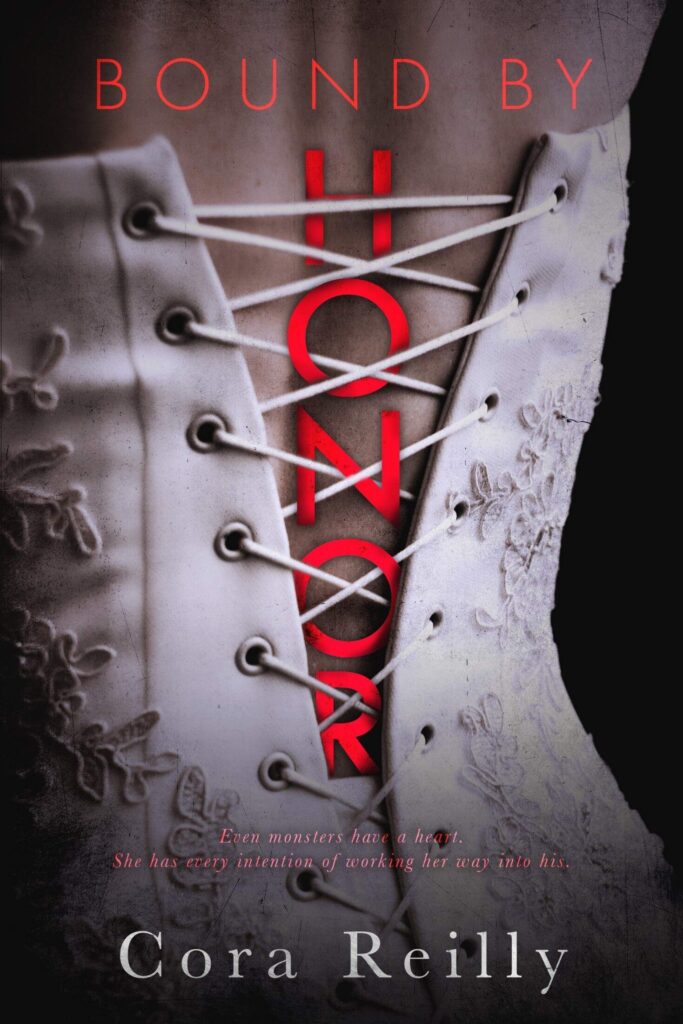
The flagship. If dark romance has a home subgenre, this is it. Mafia romance drops the love story into a world of crime families, bratva, Yakuza, or cartels, where the hero is a mob boss or enforcer operating entirely outside the law. The heroine is usually pulled into his world, sometimes married off to settle a family debt, sometimes claimed after she sees something she shouldn't have.
Signature tropes: arranged marriage, captive bride, forced proximity, "touch her and die," only one heir.
Read this: Bound by Honor by Cora Reilly, or anything in Ana Huang's Twisted series. For a faster, pulpier ride, S.J. Tilly's Nero.
For readers who want power, danger, and a possessive hero with a code.
2. Dark romantasy (dark fantasy romance)

Dark romance meets world-building. Dark romantasy blends the power imbalance and explicit content of dark romance with magic systems, prophecy, and non-human love interests. Your hero might be a fae king, a demon, or a god, which lets the power gap go literal and cosmic. He could unmake the world, and chooses not to, for her.
Signature tropes: enemies to lovers, fated mates, captive in a magical court, morally gray immortal, "he could end everything but kneels for her."
Read this: Rose in Chains by Julie Soto.
For readers who want their darkness with magic, stakes, and a slow-burning fated bond.
3. Stalker and obsession romance
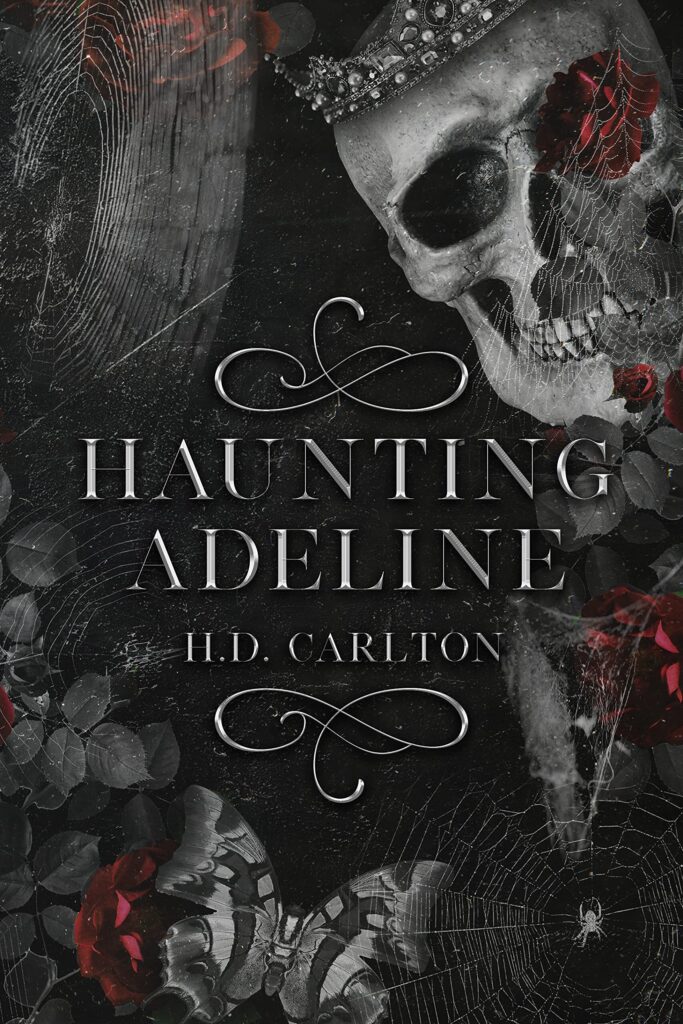
This is where the genre separates the casual readers from the committed ones. Stalker romance puts obsessive, boundary-obliterating surveillance front and center, and frames it as devotion. The hero knows her schedule, her coffee order, her secrets, and learned all of it without permission. The thrill lives in being wanted that completely.
Signature tropes: the watcher, "I've always been here," dubious consent, the hero who appoints himself her protector, the morally black anti-hero.
Read this: Haunting Adeline by H.D. Carlton, the BookTok phenomenon that defined the modern wave. Read the content warnings first; this one earns them.
For readers chasing the most intense version of "you are the center of his world."
4. Captive and kidnapping romance
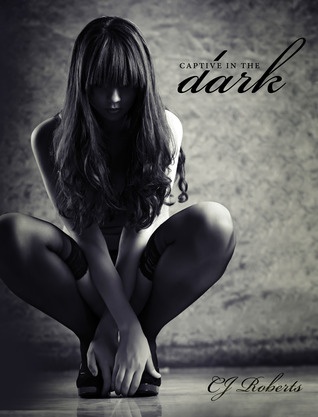
One of the oldest and most polarizing dark romance forms. Captive romance builds the entire relationship inside confinement: a heroine held by her captor, a slow shift from terror to something far more complicated. It leans hard on dubious and non-consent, which is exactly why honest content warnings are non-negotiable here.
Signature tropes: captor and captive, Stockholm-adjacent dynamics, forced proximity, the gilded cage, the slow flip in power.
Read this: Captive in the Dark by C.J. Roberts, a foundational and deliberately extreme example. This is the deep end of the genre.
For experienced dark romance readers who know their own limits.
5. Bully romance
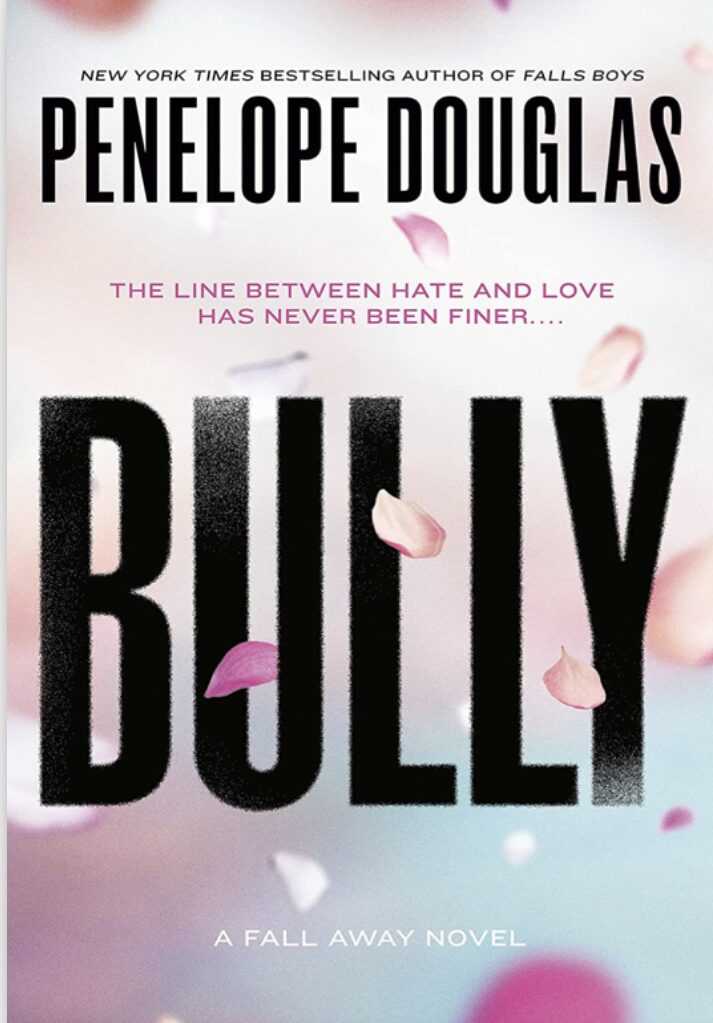
A sharp-tongued, cruel hero and a clever, resilient heroine who refuses to break. Bully romance runs on antagonism that curdles into obsession, often in high school or college settings. Fanfic culture supercharged it, and readers now describe any morally dubious male lead plus a sharp heroine as "Dramione-coded." Done well, it's psychologically compulsive. Done badly, it hits too close to real cruelty, so the execution is everything.
Signature tropes: enemies to lovers, "I hate you, I need you," the tormentor turned protector, hidden vulnerability, revenge.
Read this: Bully by Penelope Douglas, a cornerstone of the modern bully romance wave.
For readers who want the slow burn of hate flipping into devotion.
6. Dark academia romance

Obsession filtered through elite institutions, secret societies, and intellectual dominance. Dark academia romance sets desire and control against a backdrop of old universities, forbidden knowledge, and power that's as much about the mind as the body. The aesthetic alone (candlelight, libraries, ritual) is half the draw.
Signature tropes: forbidden professor-student lines, secret societies, intellectual rivalry, gothic campus, the dangerous mentor.
Read this: Nocticadia by Keri Lake for the dark romance lean.
For readers who want atmosphere, intellect, and slow-building dread.
7. Motorcycle club (MC) romance

Outlaw loyalty, brutality, and ownership. MC romance puts at least one lead inside a motorcycle club, where the rules are the club's rules and the love interest is claimed, marked, and protected with violence. It's grittier and more contemporary than mafia, with its own coded language of property, loyalty, and brotherhood.
Signature tropes: "property of," club loyalty over law, protective brotherhood, the old lady, forced proximity inside the clubhouse.
Read this: Reaper's Property by Joanna Wylde, a defining title in the MC romance space.
For readers who want raw, contemporary danger and fierce loyalty.
8. Why Choose (reverse harem) dark romance
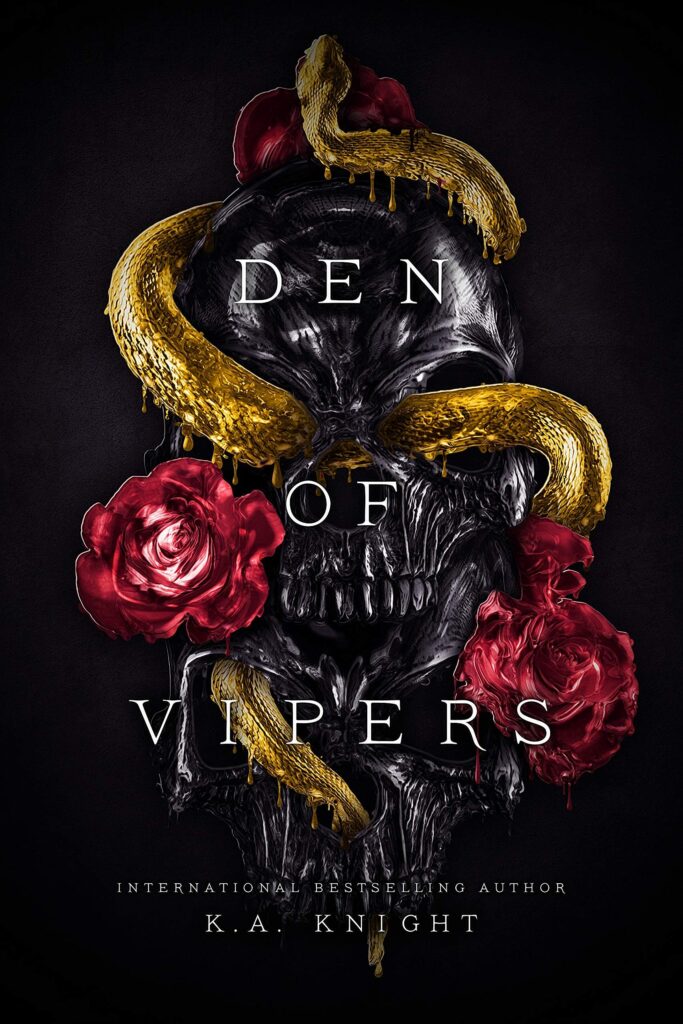
One heroine, multiple dangerous lovers, and no illusion of safety. Why Choose (sometimes called reverse harem) pushes the power imbalance further by surrounding the heroine with several morally gray men who all want her. The dark version strips out the cozy and leans into possession, jealousy, and threat.
Signature tropes: the found pack, shared obsession, "why choose when you can have them all," protective and possessive group dynamics.
Read this: Den of Vipers by K.A. Knight, a BookTok favorite that leans fully into the dark.
For readers who want maximum intensity and multiple anti-heroes.
9. Serial-killer and vigilante romance
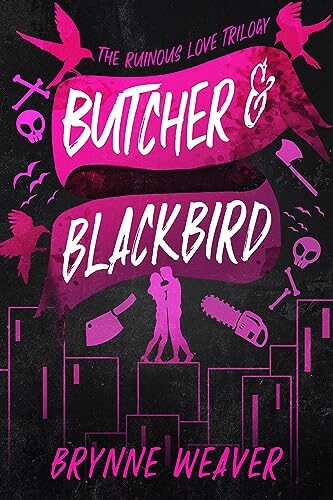
Two pitch-black souls who find each other. This subgenre pairs explicit romance with graphic violence, often by making both leads killers. The best versions give the violence a moral frame (they hunt other predators), which lets readers root for characters who are, by any normal measure, monsters.
Signature tropes: "golden retriever meets black cat," shared body count, the kill that becomes courtship, dark humor over gore.
Read this: Butcher & Blackbird by Brynne Weaver, the viral "Dexter, but make it a love story" hit that helped mainstream dark romcom.
For readers with a strong stomach and a taste for gallows humor.
10. Monster and paranormal romance
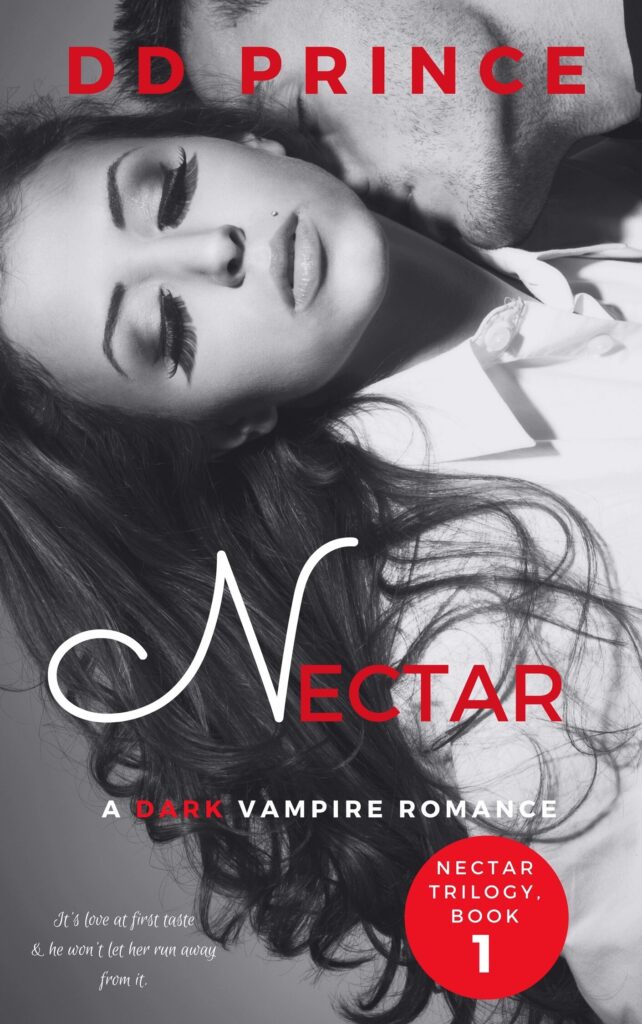
Desire that isn't quite human. Paranormal dark romance pairs the heroine with vampires, werewolves, demons, or genuine monsters, using the supernatural to justify dynamics that wouldn't fly in a contemporary setting. The danger is built into the love interest's nature, which raises the stakes of every tender moment. It is typically steamier ad more adult than paranormal YA romance.
Signature tropes: the predator and prey dynamic, fated mate, "I could kill you and want to keep you," transformation, the beast who softens only for her.
Read this: Nectar by D.D. Prince or Crimson Kiss by Trisha Baker.
For readers who want supernatural danger woven into the romance itself.
11. Gothic romance
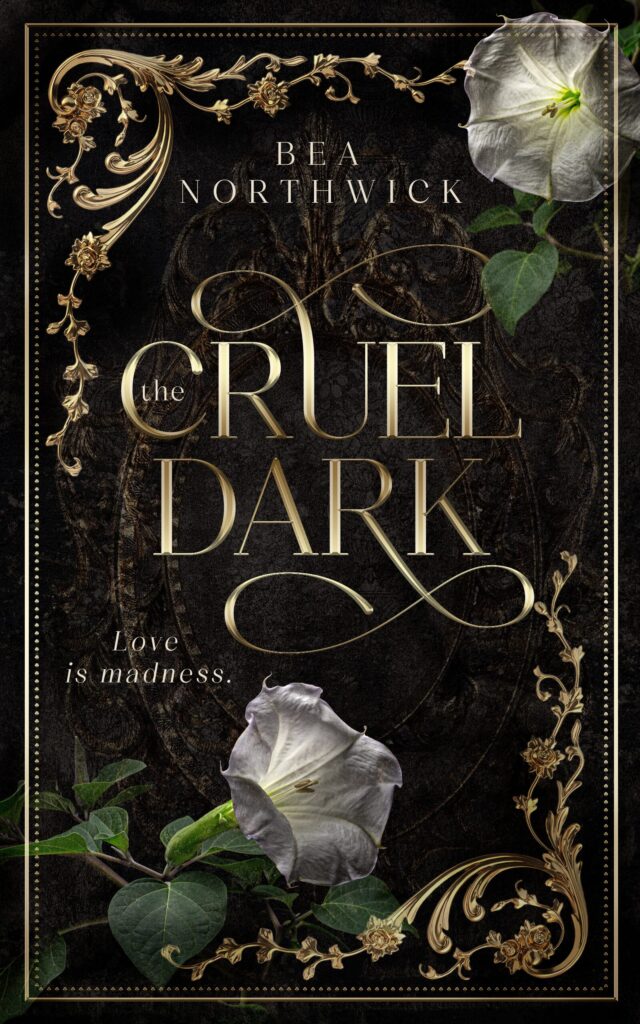
The original dark romance, and still one of the best. Gothic romance pairs atmospheric dread with a brooding love interest: crumbling estates, family secrets, a heroine drawn into a house that hides something. It trades explicit darkness for slow-building unease, and it's the ancestor of nearly everything else on this list.
Signature tropes: the haunted house, the mysterious master, buried secrets, the second wife, isolation.
Read this: The Cruel Dark by Bea Northwick.
For readers who want mood, mystery, and tension over explicit content.
12. Forbidden and taboo romance

Love that the world says shouldn't exist. Forbidden romance builds its conflict from the obstacle itself: an age gap, a step-sibling, a best friend's parent, a boss, an enemy's daughter. The darkness comes from the transgression and the cost of giving in.
Signature tropes: age gap, step-romance, off-limits, "we can never," secret relationship, the line that gets crossed.
Read this: Birthday Girl by Penelope Douglas.
For readers who want the ache of wanting something they're not supposed to have.
13. Twisted fairytale and dark retellings

Beloved stories with the safety stripped out. Twisted fairytale romance takes a familiar tale and turns the princess into an anti-hero, the villain into a love interest, and the happy ending into something earned through darkness. The recognition is the hook: you already know this story, and now it's going to hurt.
Signature tropes: the sympathetic villain, the reimagined princess, subverted morality, "you thought you knew this story."
Read this: Emily McIntire's Never After series (starting with Hooked, a dark Captain Hook retelling) defined this wave on BookTok.
For readers who love a familiar story dragged somewhere unfamiliar.
14. Psychological thriller romance

The danger is in the mind. Psychological thriller romance fuses suspense and manipulation with a love story, building tension from deception, gaslighting, and the question of who's really in control. The relationship is the puzzle, and the reader is never quite sure who to trust.
Signature tropes: the unreliable narrator, mind games, the twist you don't see coming, obsession masquerading as love.
Read this: The Mindf*ck series by S.T. Abby.
For readers who want their pulse racing from suspense, not just steam.
Dark romance trope glossary
Subgenres tell you the world; tropes tell you the dynamic. Most dark romance books are sold on their tropes, so knowing the vocabulary helps you write to reader demand.
Readers search and shop by trope. These are the ones that appear across dark romance, and the shorthand BookTok uses for them:
| Trope | What it means |
|---|---|
| Morally gray / black | A hero whose ethics are murky (gray) or genuinely villainous (black) |
| Touch her and die | The hero's violent protectiveness over the heroine |
| Dubcon / noncon | Dubious or non-consent; the central content-warning territory of the genre |
| Captor and captive | A relationship that begins in confinement |
| Forced proximity | Circumstances trap the leads together |
| Enemies to lovers | Antagonism that becomes desire |
| Only one bed | The classic forced-intimacy setup |
| Fated mates | A supernatural bond the leads can't escape |
| Obsession / "mine" | Possessive devotion as the core love language |
| Golden retriever x black cat | A warm, open lead paired with a guarded, dangerous one |
A note on content warnings and writing responsibly
Dark romance explores fiction that no one is endorsing as real-life behavior, and the best authors are clear about that. Lead with honest content warnings. List the heavy stuff (dubcon, noncon, captivity, violence, abuse) at the front of the book and in your marketing.
This isn't a legal disclaimer you bury. It's a trust signal. Dark romance readers actively look for these lists to find books that match what they want and to avoid being blindsided. Clear warnings protect your reader, set accurate expectations, and reliably earn better reviews. Skipping them is the single fastest way to tank a dark romance launch.
Want to write dark romance? Start here
Writing dark romance well comes down to three things: a hero readers love to fear, a heroine with real agency, and a happy ending that feels earned despite everything that came before.
The trend is real and the door is open, but dark romance is genuinely hard to write. Most first attempts fail in the same predictable ways. Here's where to focus.
Build a hero who is the threat and the safety
The whole genre lives and dies on the hero. He has to be genuinely dangerous, not a soft guy in a leather jacket. But he also needs that one crack of tenderness, the side only she sees. Readers fall for the contrast, not the cruelty alone. Write the danger first and earn the softness slowly.
Give your heroine real agency
The strongest dark romances pair a frightening hero with a heroine who pushes back, schemes, survives, and changes the power dynamic over the course of the book. A passive heroine makes the darkness feel like punishment. An active one makes it feel like a battle of wills, which is what readers actually want.
Earn the happy ending
The HEA is the payoff for everything you put readers through. It can't feel tacked on. The darker the journey, the more the resolution has to work for it. This is the craft challenge at the heart of the genre, and getting it right is what turns a one-time reader into someone who buys everything you publish.
Pick your darkness level and commit
Decide early whether you're writing a dark romcom, a mid-range obsessive romance, or a far-end captivity story, and write to that promise consistently. Readers forgive a lot, but they don't forgive a book that promised one thing and delivered another.
Most authors try to figure all of this out alone, through trial and error, and burn a year or two on books that never find their audience. The faster path is to learn the structure of a marketable fiction novel first, then apply it to the subgenre you love. That's exactly what our Fundamentals of Fiction program was built to teach: how to write and publish a novel readers actually finish and recommend.
Your dark romance is closer than you think
At selfpublishing.com we've helped authors publish over 7,000 books across every genre. If you're ready to turn your story idea into a finished, published novel, let's build a plan to get you there. Book a free strategy call today.
Frequently asked questions
What's the difference between dark romance and erotica?
Dark romance is defined by dark themes, morally gray heroes, and an emotional love story with a happy ending. Erotica (or romantica) is defined by explicit sex as the central focus. Dark romance is usually steamy, but the darkness, not the heat, is what makes it dark romance.
Does dark romance have to end happily?
Yes. A guaranteed happily ever after (HEA) or happy for now (HFN) is the one rule that can't break. A love story that ends in tragedy is a dark novel with romance in it, not dark romance, and readers will mark it down hard for breaking the contract.
Is mafia romance the same as dark romance?
Not exactly. Mafia romance is one subgenre of dark romance, defined by its organized-crime setting. Almost all mafia romance is dark, but dark romance also includes fantasy, gothic, contemporary, and many other settings. Mafia is a square; dark romance is the rectangle.
Why is dark romance so popular right now?
Romance is the leading growth category in print publishing, and dark themes are leading within it. Industry trackers tie the surge to BookTok communities, a reader appetite for intense escapism, and breakout self-published authors whose dark titles went viral and got acquired by major publishers.
Can a new author succeed writing dark romance?
Yes, and many of the genre's biggest names started as self-published debut authors. Dark romance readers are loyal, binge whole backlists, and discover new authors constantly through BookTok. The opportunity is real for authors who learn the genre's conventions and deliver on the promise they make.
Do I need content warnings in my dark romance?
Yes. Content warnings are a genre standard and a trust signal, not a liability. Readers use them to find books that match what they want. Clear, honest warnings reliably lead to better reviews and a more loyal readership.