














TL;DR
An allusion is a brief, indirect reference to a person, place, event, or work that the writer expects the reader to already recognize, without explaining it outright. Below are 55 examples across five categories (mythological, biblical, historical, literary, and pop culture), a comparison of allusion versus metaphor and symbol, and the two mistakes that make allusion backfire in your own writing.
You've used allusion more often than you realize. Every time you've called a shortcut someone's "Achilles heel" or said a decision opened "Pandora's box," you leaned on a reference your listener was expected to already know.
That's the whole mechanic.
Done well, allusion lets you say more with less, because the reference does some of the work for you.
In this article we'll dive deeper in to allusion, giving you 55 allusion examples and how to use them well in your writing.
What is an allusion?
An allusion is a brief, indirect reference to a person, place, event, or other work that the writer assumes the reader will recognize without further explanation.
Unlike a direct quotation or a footnoted reference, allusion works by implication. The writer doesn't stop to explain who Achilles was or why Pandora's box matters. The reference itself carries the meaning, which is what makes allusion efficient and, when it lands, genuinely satisfying to read.
An example of allusion is:
"I wish I could just click my heels and appear in the Bahamas."
"You really need a vacation. Workaholism is your Achilles heel."
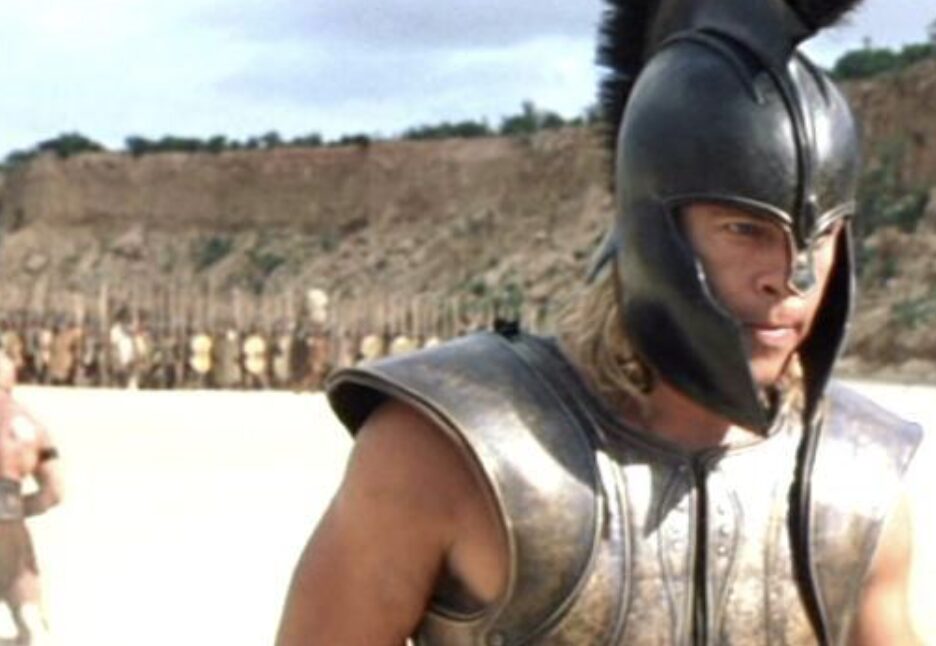
The first line alludes to The Wizard of Oz. The second alludes to the Greek myth of Achilles. Neither sentence explains the reference, and neither needs to, because the meaning depends on the reader already knowing the story.
Allusion vs. metaphor, symbol, and reference
Allusion points to something outside the text; metaphor and symbol create meaning from within it.
| Device | What it does | Example |
|---|---|---|
| Allusion | Points to a real or fictional person, event, or work the reader is expected to know | "He's a real Scrooge about birthday parties." |
| Metaphor | Describes one thing directly as another, with no outside reference required | "Her voice was a blade." |
| Symbol | Uses an object or image within the story to represent a larger idea | A caged bird representing loss of freedom |
| Direct reference | Names and explains the source outright, rather than implying it | "Like Scrooge in Dickens's A Christmas Carol, he refused every invitation." |
The line between allusion and direct reference comes down to how much explaining you do. The moment you explain who Scrooge is, you've moved from allusion to direct reference. Allusion trusts the reader to fill in the gap themselves.
55 allusion examples by type
Allusions typically draw from five wells: mythology, religious texts, history, literature, and pop culture, each carrying a different tone and level of reader familiarity. Here are some allusion examples sentences broken down into categories so you can understand examples of allusion better.
Mythological allusions
- Workaholism is your Achilles heel.
- If you pursue this, you'll open Pandora's box.
- Cupid hit me with his arrow the moment she walked in.
- He carried my suitcase like he was Hercules.
- She treated her engagement ring like it was the one ring of power.
- Their whole office runs like an Olympus of egos.
- He flew too close to the sun with that promotion request.
- She has a Midas touch when it comes to real estate.
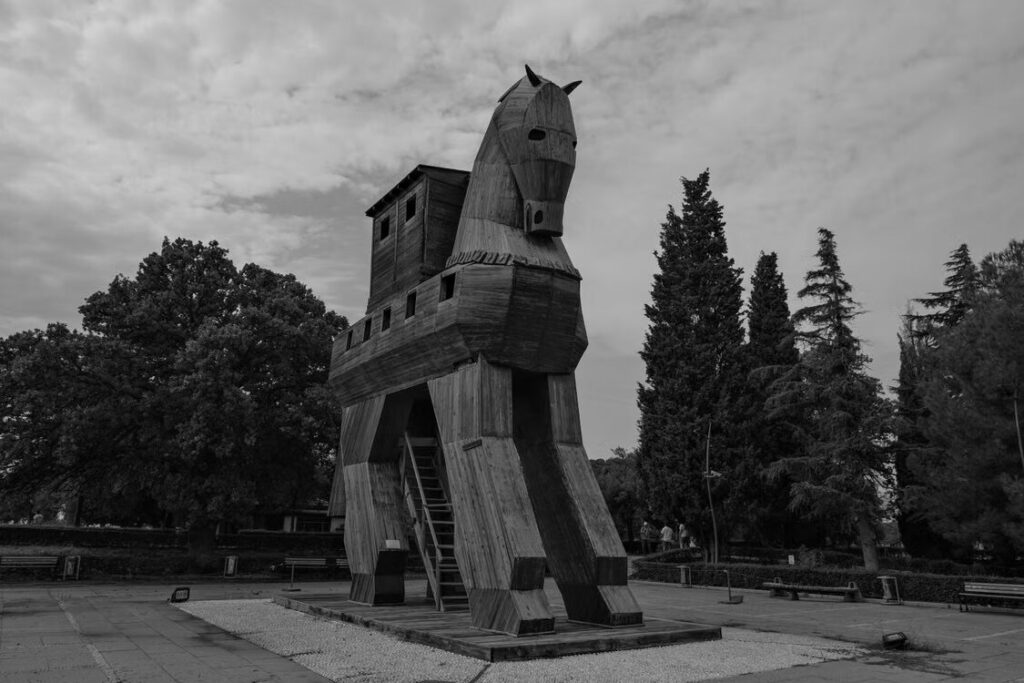
- Every family gathering feels like a Trojan horse waiting to happen.
- His temper is his own personal Kraken.
Biblical and religious allusions
- He's a stand-up, Good Samaritan type of guy.
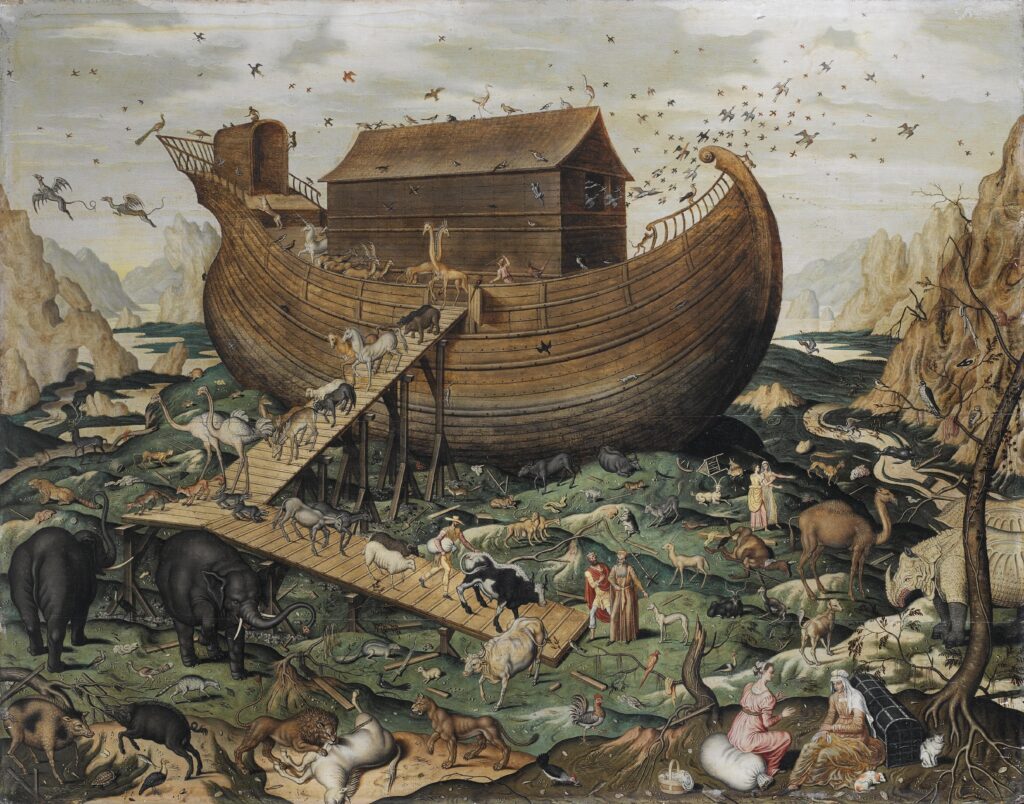
- Writing a book doesn't need to be Noah's Ark. Take it one line at a time.
- I'm no Daniel, but your dream sounds pretty exciting.
- Take that up with Uncle Sam. I'm just following orders here.
- She forgave him like a modern-day prodigal son story.
- He wandered the parking lot for so long it felt like forty years in the desert.
- Their reunion was pure loaves-and-fishes generosity, there was enough for everyone.
- He's carrying his cross about that mistake way longer than he needs to.
- That apartment is basically the Garden of Eden compared to my old place.
- She has the patience of Job with that toddler.
Historical allusions
- It's an all-out war in their household right now.
- You're basically Einstein when it comes to doing taxes.
- That merger was their Waterloo.
- He crossed the Rubicon the moment he signed that contract.
- She ran the meeting like a modern-day Napoleon.
- Their argument turned into a full Cold War of silent treatment.
- That office renovation was their own Manhattan Project.
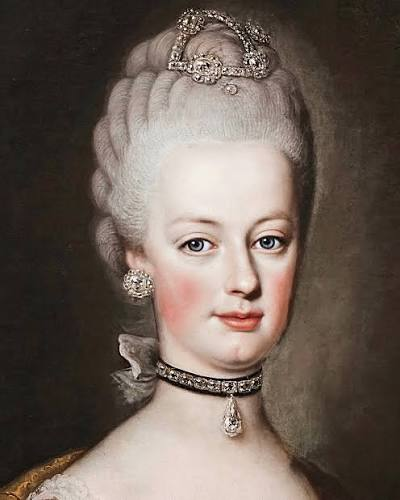
- He handled the layoffs about as gracefully as Marie Antoinette handled a crowd.
- Their rivalry has gone full Hatfields and McCoys.
- That contract clause was their own little Boston Tea Party moment.
Literary allusions
- I thought your car turned into a pumpkin, you're home so late.
- He's my Romeo.
- I ran into a real-life "he who must not be named" at the coffee shop.
- Stealing from them doesn't make you Robin Hood.
- Just because I camp doesn't make me Robinson Crusoe.
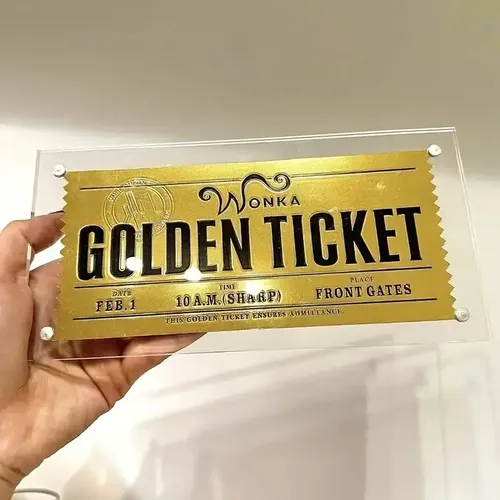
- I feel like I just got my golden ticket.
- Take the road less traveled and you won't regret it.
- Afraid to knock, I didn't know if I'd meet a lady or a tiger.
- She climbs trees like Tarzan.
- You're my Samwise Gamgee, always there when it matters most.
- He seems like a real Mr. Wickham to me, charming right up until he isn't.
- You're such an Emma, always convinced you know what's best for everyone.
- Wedding planning has been the best of times and the worst of times.
- I assumed I'd lose. Nothing gold can stay.
- I'm stuck in a total Catch-22 with this lease.
Allusion also shows up constantly in published fiction, not just dialogue.
Herman Melville names his narrator Ishmael in Moby-Dick, alluding to the biblical outcast to signal the character's role as an outsider from the book's first line.
William Golding's title Lord of the Flies alludes to a Hebrew name for a demonic figure, tying the novel's descent into savagery to its title before the story even begins.
F. Scott Fitzgerald closes The Great Gatsby by invoking the broader myth of the American frontier, linking Gatsby's personal dream to the country's founding promise.
Pop culture allusions
- He survived so much and came out stronger. He's a phoenix at this point.
- You're a Scrooge about birthday parties.
- His growth spurt made him a mini Goliath.
- Walking into that chaotic cafeteria felt like the reaping scene in The Hunger Games.
- She's Spock in how she handles her emotions, all logic, no drama.
A quick note on genre
Allusion works best when the reference matches your reader's world, so you need to keep your genre in mind. A medieval fantasy character referencing Superman breaks the spell instantly. A contemporary romance character referencing Achilles works fine, since most modern readers share that cultural reference point regardless of setting.
How to use allusion in your writing
Allusion works best when it builds tension through implication, or when it establishes a character's voice and worldview in a single line. If you are learning how to write a book, here is how to use allusion in your writing:
Build tension
Use allusion to foreshadow without stating outright what's coming. A protagonist who thinks, "If I didn't know better, I'd think Mr. Wickham had just walked into my life," plants doubt in the reader's mind for anyone familiar with Pride and Prejudice, without the narrator committing to that judgment. The protagonist doesn't believe it yet. The reader starts to wonder if they should.
Create dynamic characters
A single well-placed allusion can establish who a character is faster than a paragraph of description. For fiction: "The detective would have finished top of his class except for his Achilles heel, an obsession with being right." For nonfiction: "I'll show you how working a day job while building your business doesn't have to be a Catch-22." Both lines establish voice and invite the reader to relate, in one sentence.
Mistakes to avoid
The two most common allusion mistakes are assuming too much shared knowledge from your reader, and reaching for a reference that doesn't fit your genre or your character.
- Don't assume too much of your readers. If you're not confident your audience will catch the reference, it's not doing its job. Layer allusion in like an easter egg here and there, not on every page.
- Stay within your genre and your character's world. A well-read academic character can reach for obscure literary allusion. A character who dropped out of school and never reads probably wouldn't, and giving them one breaks the reader's trust in your voice.
- Match the register to the moment. A biblical allusion in a lighthearted scene, or a pop culture joke in a solemn one, can undercut the tone you're going for if it's not intentional.
FAQ
What’s the difference between allusion and illusion?
They're unrelated despite sounding alike. Allusion is an indirect literary reference. Illusion is something that deceives the senses or the mind, like a magic trick or false perception.
Can allusion be used in nonfiction?
Yes. Nonfiction writers use allusion constantly to connect with readers quickly, for example, describing a business dilemma as a "Catch-22" or a founder's downfall as their "Icarus moment." It works the same way it does in fiction: implying rather than explaining.
How many allusions should I use in a chapter?
There's no fixed number. The test is whether each one earns its place. If a reference requires your reader to stop and look something up, or if you're using several in a single paragraph, you've likely gone too far.
Ready to put your writing skills into a finished book?
Whether you're writing fiction or nonfiction, selfpublishing.com can help you go from craft techniques like allusion to a complete, published book. We offer one-on-one coaching, five rounds of professional editing, book cover design, a marketing team, and more! Get started with a free strategy call today.